Probiotics are an essential component of modern shrimp farming. One of the most commonly used probiotics is Lactobacillus, a beneficial bacterium that helps maintain microbial balance in ponds. The use of Lactobacillus offers multiple advantages, including suppressing the growth of pathogenic bacteria in the culture environment.
In addition, probiotics play an important role in improving water quality by stabilizing the population of microorganisms in the pond. From a production perspective, Lactobacillus can enhance feed intake and support optimal shrimp growth. It also helps strengthen the shrimp’s immune system, making them more resilient to stress and disease outbreaks.
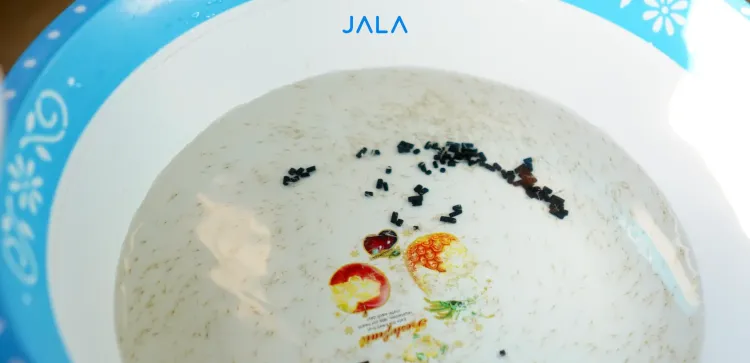
To ensure optimal performance, farmers typically culture probiotics before applying them to ponds. Below is a simple step-by-step guide to culturing Lactobacillus that can serve as a practical reference for shrimp farmers.
Materials Needed for Culturing Lactobacillus
- Lactobacillus: 1-3 ppm.
- Molasses: 1 liter.
- Clean freshwater: 15-20 liters.
- A jerry can or fermentation container with a tight lid.