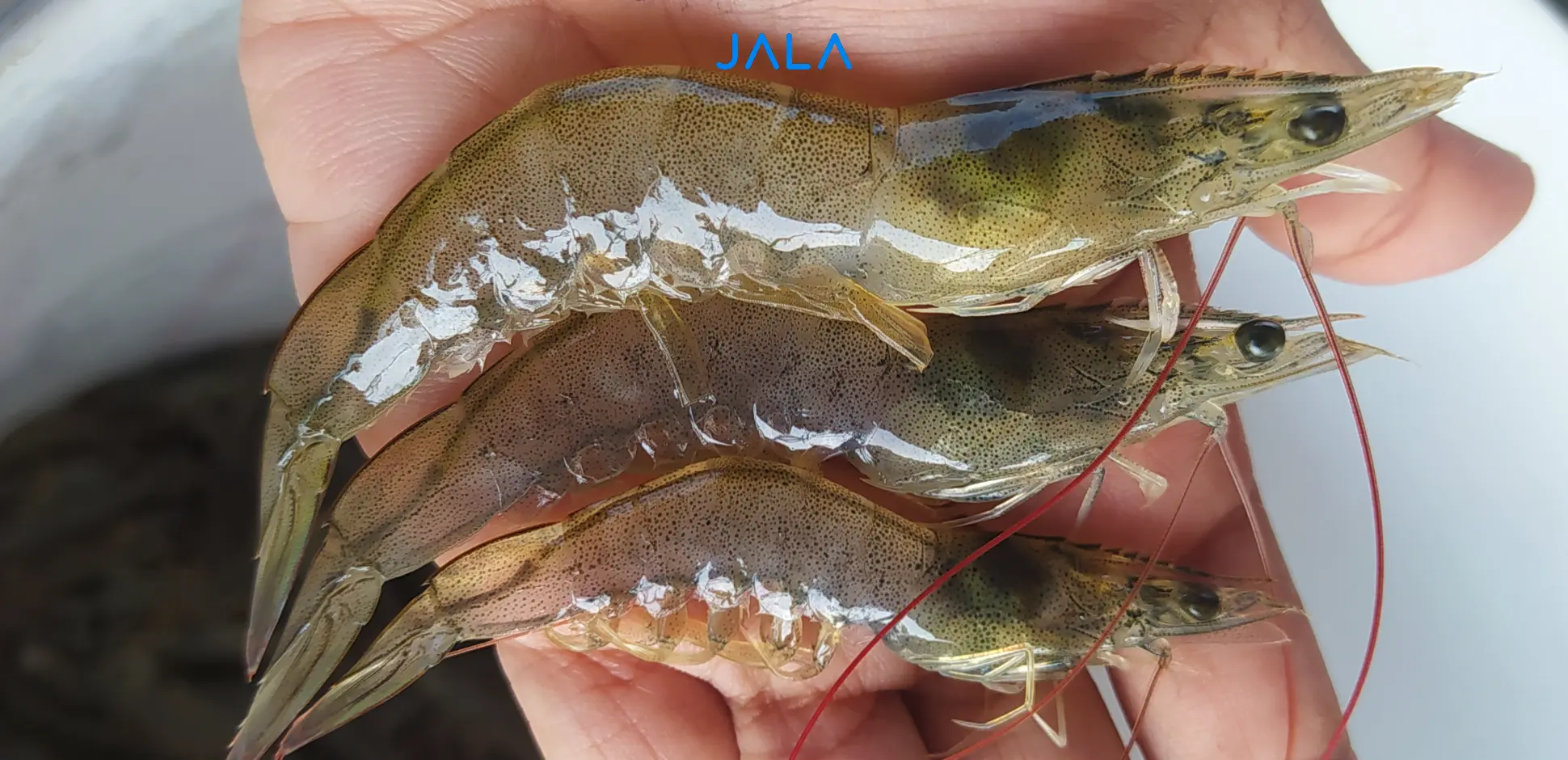
Healthy shrimp post larvae (PL) are the foundation of successful shrimp cultivation. However, disease threats are often invisible in the early stages and can lead to mass mortality if left undetected. Polymerase Chain Reaction (PCR) offers farmers a reliable solution to identify disease risks early with high accuracy. By detecting the genetic material of pathogens (such as viruses, bacteria, or parasites) even in very small quantities, PCR helps prevent the spread of infection before it impacts the pond.
PCR is a molecular technique that amplifies specific fragments of Deoxyribonucleic Acid (DNA) so they can be clearly detected and analyzed. In PL testing, samples are typically taken from specific body parts such as swimming legs, hepatopancreas, or hemolymph. After DNA extraction, PCR machine amplifies the target pathogen DNA to confirm whether an infection is present.
In this article, we explore the key benefits of PCR and why it should be considered an essential step before stocking shrimp!
Benefits of PCR in Shrimp Cultivation
Below are several reasons why PCR is a critical step before stocking post larvae into ponds:
- Early detection of major pathogens such as WSSV, EHP, AHPND, and IMNV.
- Ensuring pathogen-free stock through Specific Pathogen Free (SPF) and Specific Pathogen Resistant (SPR) certification.
- Routine health monitoring before introducing new stock into ponds.
- Reducing the risk of mass mortality and financial losses due to disease outbreaks.
Challenges and Considerations for Farmers
Despite its advantages, PCR also comes with considerations that farmers should understand.
- Additional costs: PCR testing requires specialized equipment and reagents, which can increase production expenses.
- Technical limitations: There is a risk of cross-contamination or misinterpretation if testing is not handled by trained personnel.
- Sampling procedures: Samples must be representative and collected using sterile techniques to ensure accurate results.

Recommendations for Farmers
To support optimal shrimp growth and health, consider the following best practices:
- Always source post larvae from hatcheries that conduct PCR testing and provide SPF or SPR certification. Access high-quality PL through trusted suppliers such as JALA Supply.
- Conduct PCR testing at regular intervals, especially before restocking new batches.
- Combine PCR with other monitoring methods (physical observation and bioassays) to strengthen overall health surveillance.
Conclusion
PCR serves as a preventive strategy in cultivation by enabling early detection of pathogens like WSSV, EHP, AHPND, and IMNV before they escalate into outbreaks. Although it requires investment and technical precision, PCR helps ensure SPF and SPR quality post larvae while minimizing the risk of mass mortality and financial loss. By integrating PCR into PL selection and monitoring processes, farmers can build a safer, more stable, and more sustainable production system.