The success of shrimp farming is closely tied to feeding strategies. Feed is not only the largest component of production costs (50-70%), but also directly affects shrimp growth, health, and survival rates. The most commonly used feeds in shrimp culture are natural feed (Artemia sp.) and formulated feed (pellet).
Artemia sp. is known for its high protein content and suitability for the mouth opening and nutritional needs of larvae and post-larvae. Pelleted feed, on the other hand, offers practicality and stable, complete nutritional formulations. Combining these two feed types has emerged as an innovative approach to improving growth efficiency, survival rates, and protein retention in shrimp culture.
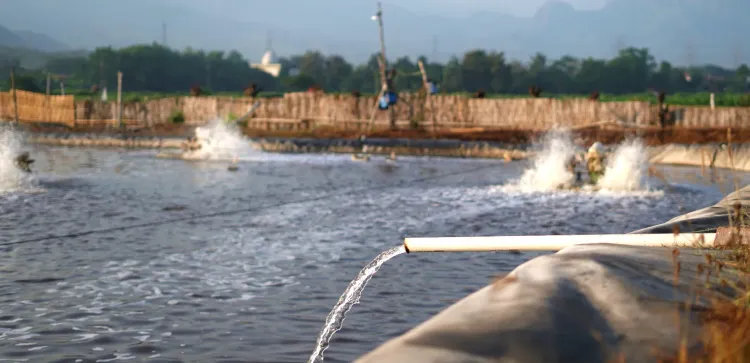
This article discusses the effects of combining Artemia sp. and pellet feed on shrimp performance during the grow-out phase in ponds.
Nutritional Characteristics and Benefits of Shrimp Feed
1. Artemia sp. as natural feed
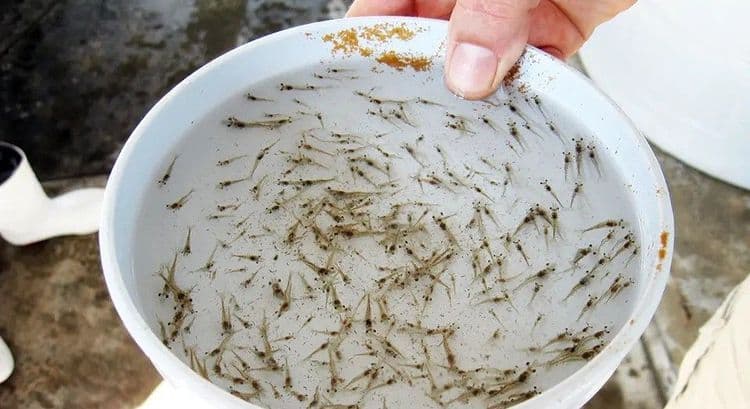
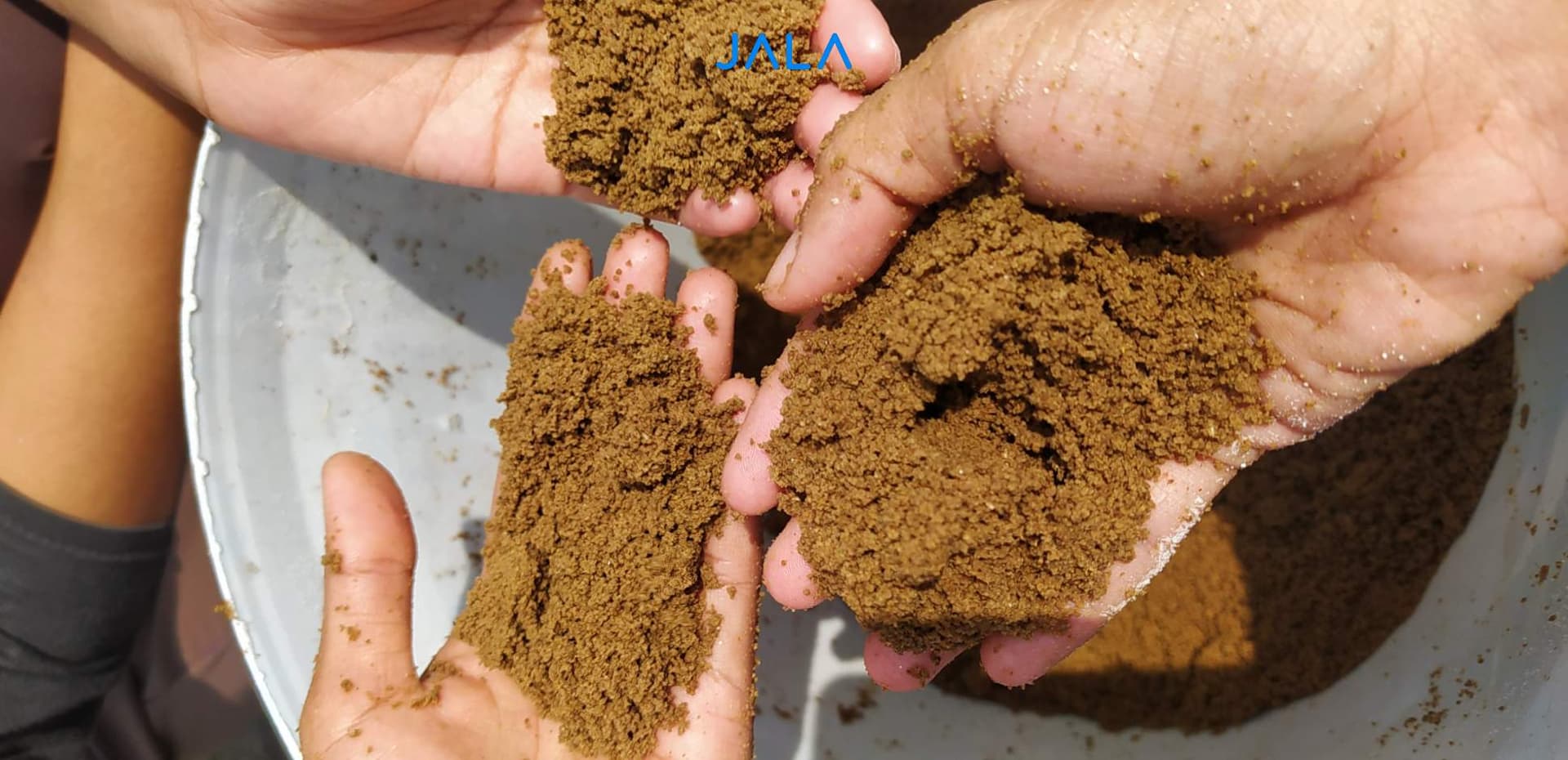
Artemia sp. is a microscopic zooplankton widely used during the early stages of shrimp culture and can also be applied during the grow-out phase in ponds. It contains high protein levels (approximately 55-62%), essential fatty acids such as Eicosapentaenoic Acid (EPA) and Docosahexaenoic Acid (DHA), as well as natural micronutrients that strongly support shrimp growth and health.
2. Pellet as formulated feed
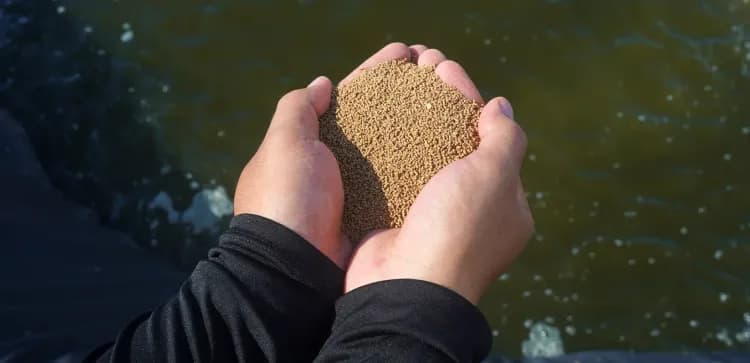
Commercial pellet feeds are specifically formulated with balanced levels of protein (30-40%), lipids (6-10%), crude fiber, minerals, and vitamins. Pellets are easy to store, can be distributed in measured quantities at scale, and maintain better physical stability in water compared to natural feed. Feed efficiency, practicality, and measurability are the main advantages of pellet feeding in grow-out ponds.