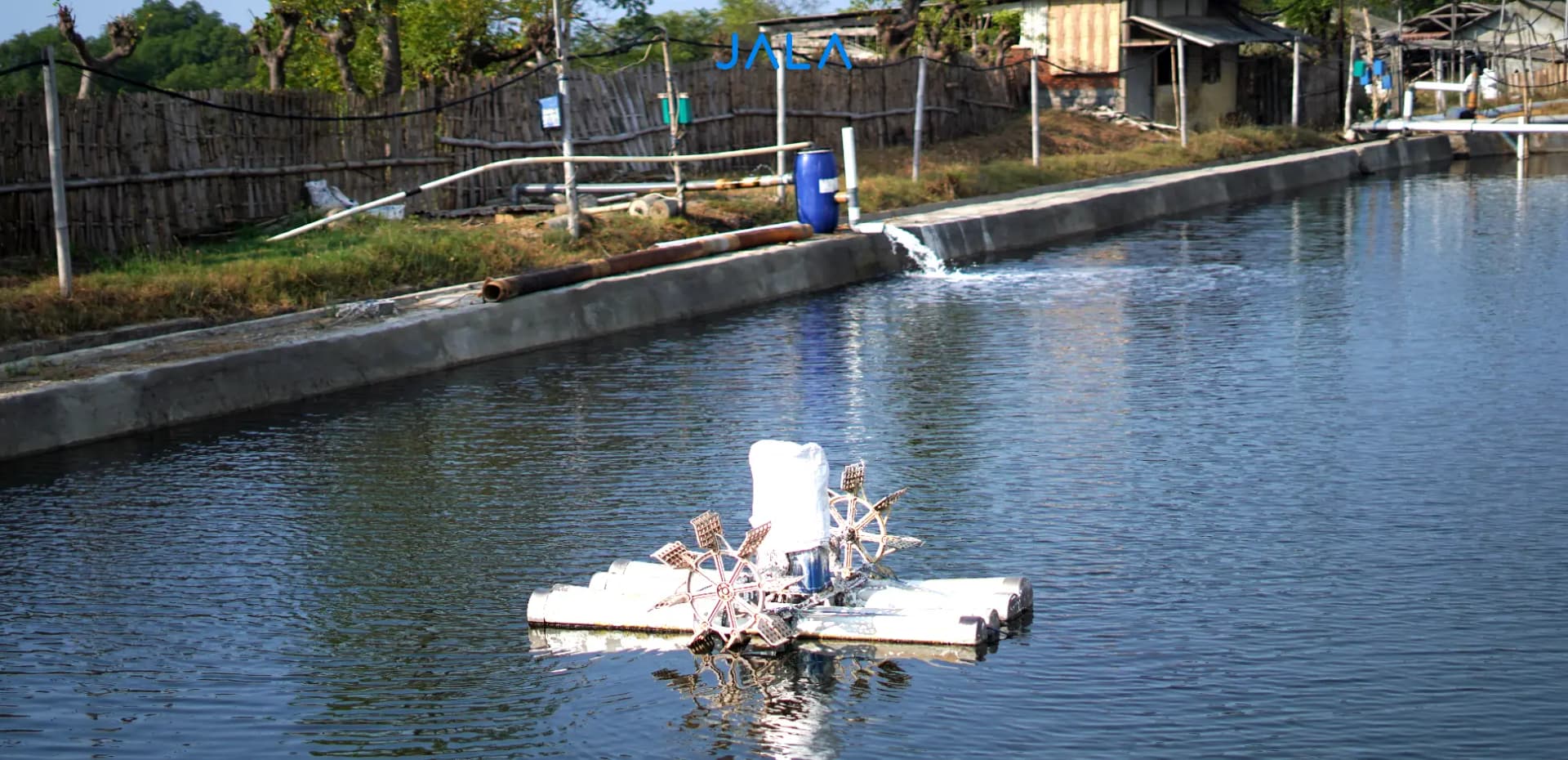
Water quality plays a crucial role as the primary living environment for shrimp. Stable and suitable water conditions support healthy growth, reduce disease risks, and maintain pond productivity. One of the key efforts to maintain water quality in shrimp farming is the use of reservoir ponds.
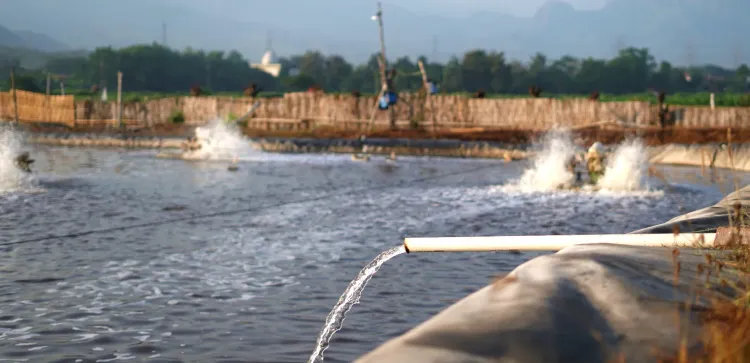
Reservoir ponds are water storage ponds used to supply healthy water before it is distributed to culture ponds. Their function is not limited to the beginning of the farming cycle, reservoir ponds are also highly beneficial throughout the cultivation period, especially when farmers need to add or replace water to maintain pond capacity and water quality.
Beyond technical farming needs, reservoir ponds also provide added value for farmers. They are one of the supporting requirements for obtaining shrimp farming business permits and Good Shrimp Farming Practices certification, help increase investor confidence, and improve access to insurance to support farming operations.
Types of Reservoir Ponds Based on Their Function
In shrimp farming, reservoir ponds are generally divided into 2 main types:
1. Sedimentation ponds
Sedimentation ponds serve as the initial stage of water quality improvement. In this pond, water is allowed to undergo a settling process so that coarse particles, sludge, and suspended solids can settle before the water is further treated.
2. Treatment ponds
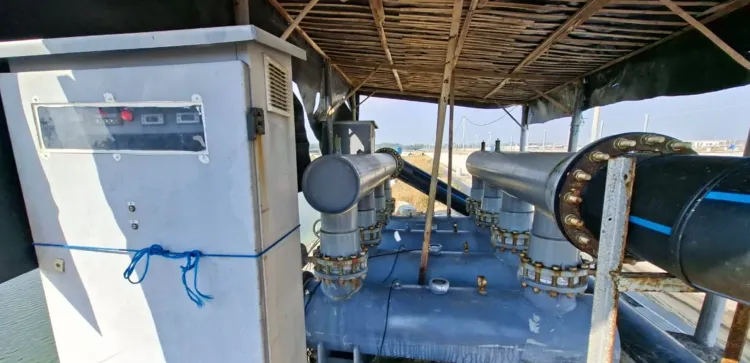
After sedimentation, water flows into treatment reservoir ponds for additional processing. At this stage, disinfectants are applied to eliminate pathogenic organisms that cause disease. In addition to chemical treatments, treatment ponds may also utilize natural or biological agents such as algae, seaweed, or moss. These agents act as biofilters that absorb excess nutrients while helping to increase dissolved oxygen levels in the water.