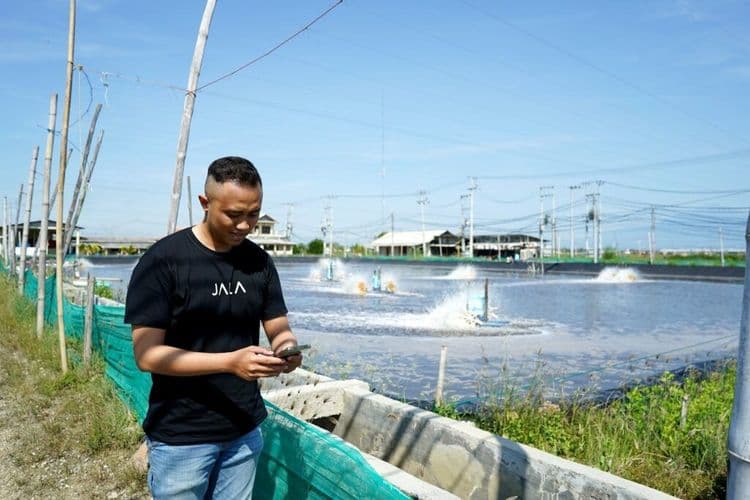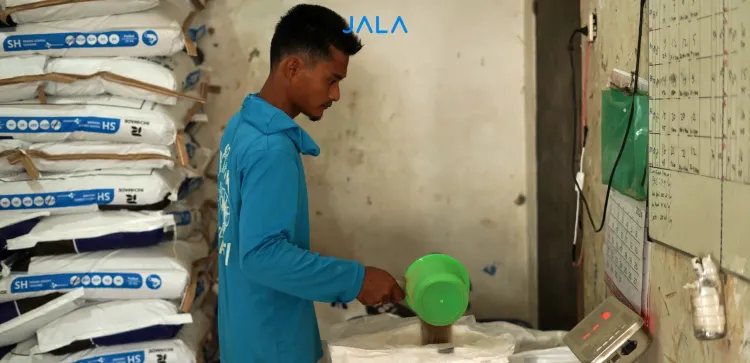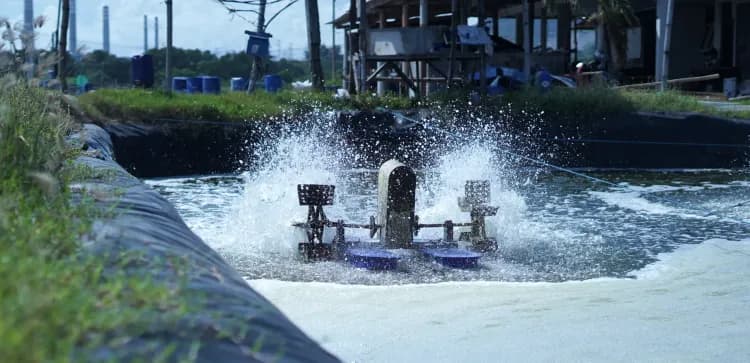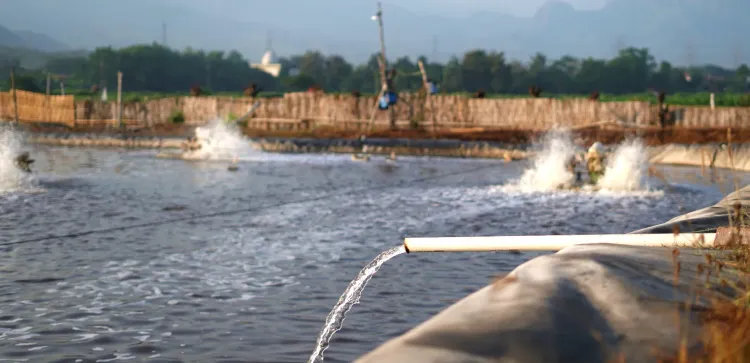
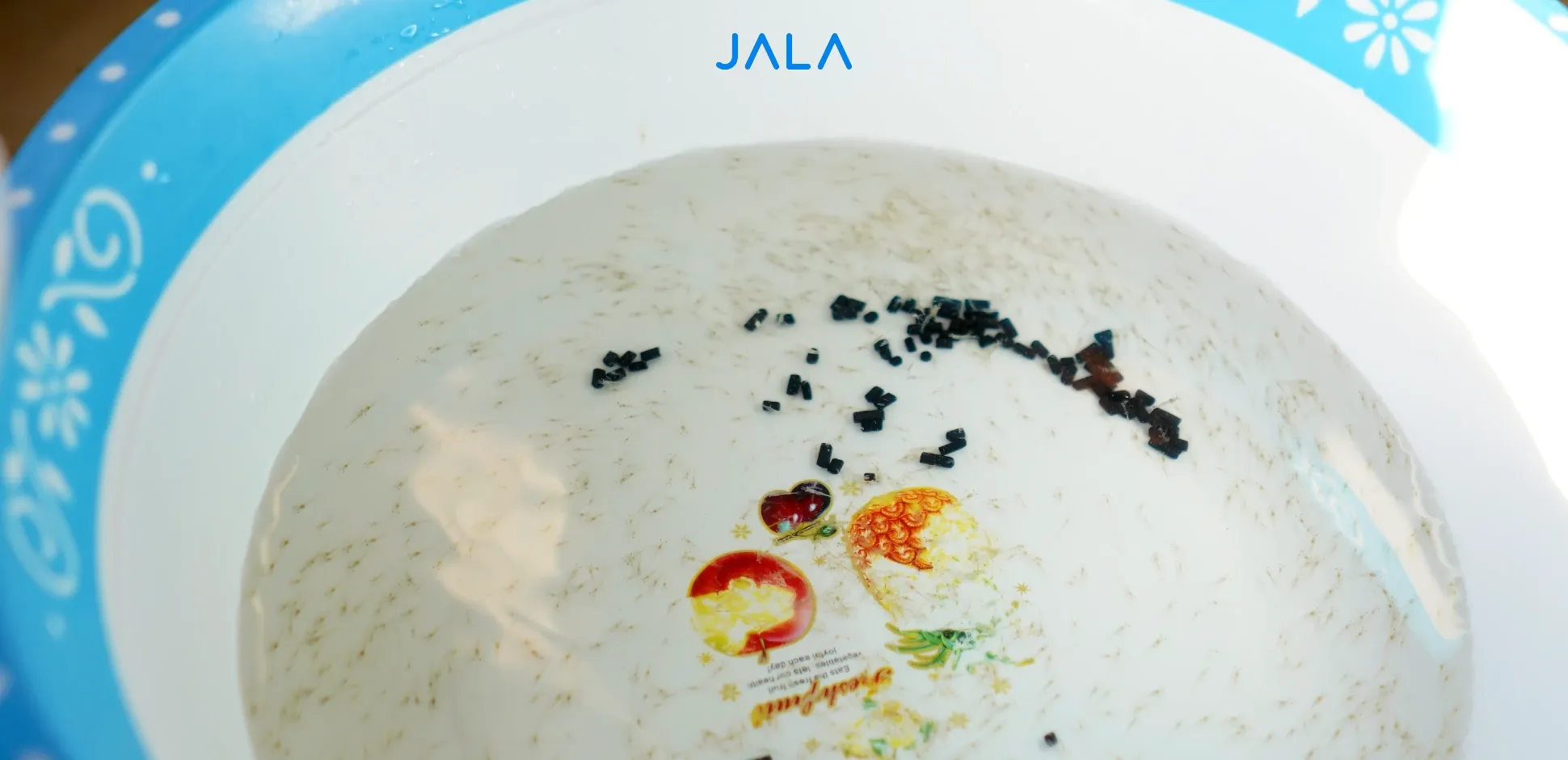
A nursery pond serves as a transition stage in shrimp cultivation, bridging the gap between the hatchery and the grow-out pond. As a modern cultivation method, the implementation of nursery ponds is gaining popularity for significantly boosting efficiency and harvest success rates. In this approach, post-larvae (PL) are temporarily reared in a dedicated nursery environment before being transferred to the main grow-out ponds. The nursing phase typically lasts between 15 to 40 days, depending on the farming system used, such as biofloc, chemifloc, copefloc, or Recirculating Aquaculture System (RAS).
4 Advantages of Nursery Pond Systems
Also known as two-stage cultivation, the nursery pond system offers four primary benefits in modern aquaculture:
1. Preventing AHPND outbreaks
One of the most critical advantages of a nursery system is its ability to prevent Acute Hepatopancreatic Necrosis Disease (AHPND), a lethal condition that commonly strikes shrimp during early culture stages (day 0-30).
Because nursery ponds are smaller, dissolved oxygen levels can be controlled more easily, reducing the risk of vibrio infections that trigger AHPND. Furthermore, post-larvae reared in a nursery environment develop stronger resilience before being transferred to shrimp grow-out ponds.
2. Improving shrimp quality and yield productivity
Implementing a nursery phase enhances overall shrimp grow-out results by producing larger, healthier post-larvae. Shrimp raised in nursery ponds exhibit greater size uniformity and better gut health.
These improvements directly translate to higher Survival Rates (SR), improved Feed Conversion Ratios (FCR), and accelerated Average Daily Gain (ADG). According to observations by Arfindee Abru published in Trobos Aqua, nursery systems in Thailand increased SR up to 93%, compared to just 65% in traditional direct stocking methods.