The success of vannamei shrimp cultivation depends on shrimp health throughout the entire production cycle, from the postlarval stage to harvest. However, disease outbreaks remain one of the biggest challenges shrimp farmers face today. Recognizing disease symptoms early is essential to ensure prompt treatment and prevent infections from spreading throughout the pond. Consistently implementing preventive measures is also one of the best strategies for maintaining the long-term sustainability of your shrimp farming business.
Below are some common shrimp diseases caused by viruses and bacteria.
Types of Vannamei Shrimp Diseases Caused by Viruses
1. Infectious Hypodermal and Hematopoietic Necrosis Virus (IHHNV)
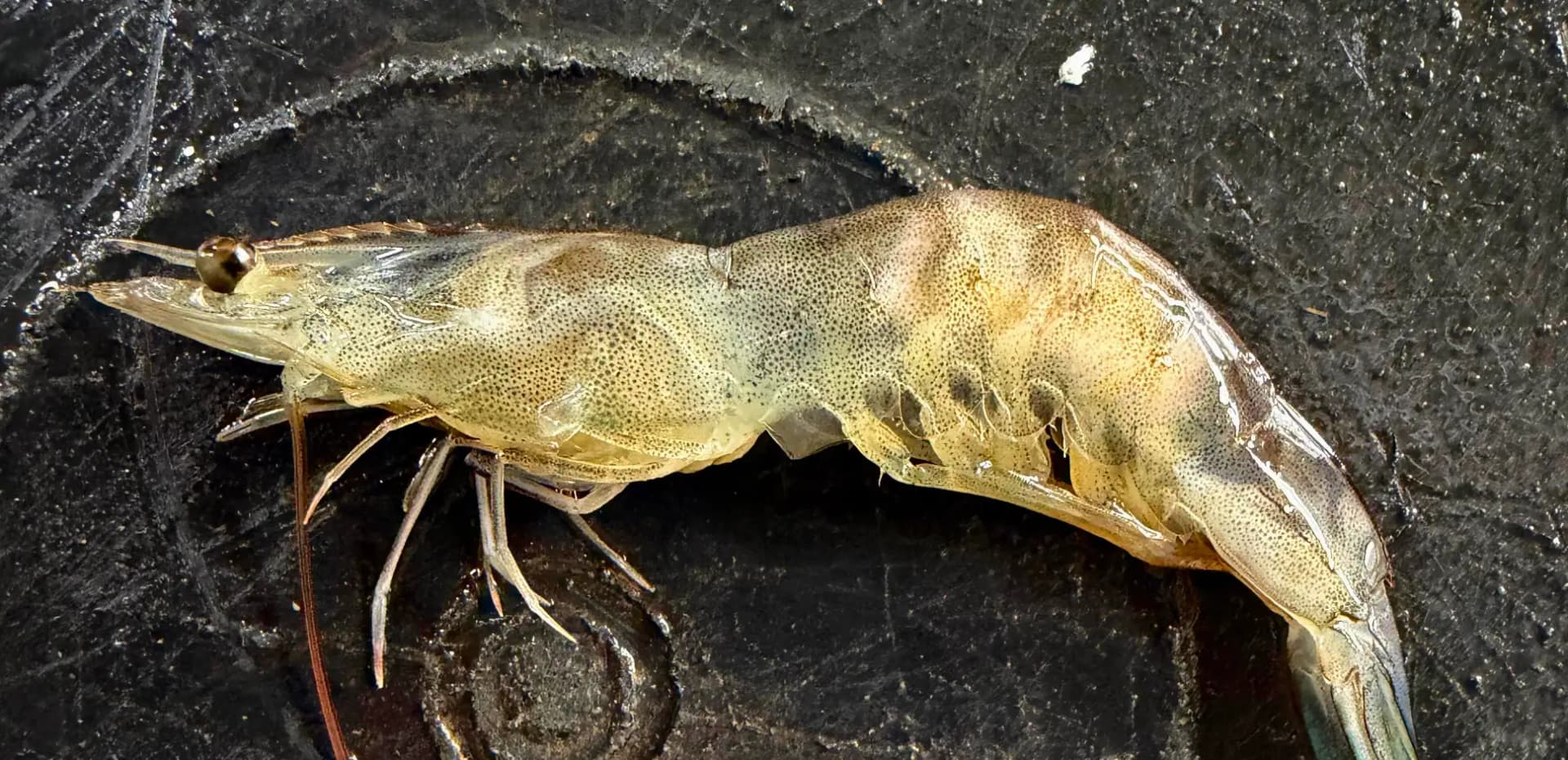
IHHNV infection can cause shrimp to develop a shiny white appearance, particularly around the abdominal segments. Other common symptoms include a bluish body color and a deformed or bent rostrum (snout), often bending to one side. The disease can spread between shrimp through cannibalism.
2. Taura Syndrome Virus (TSV)
Taura syndrome has caused widespread outbreaks in the past and remains a potential threat to shrimp farms. TSV infections typically occur between 14 and 40 DoC, particularly during the late stages of the molting cycle. Infected shrimp may exhibit a pale body, black spots, reddish swimming legs (pleopods), soft shells, and an empty digestive tract.
3. Covert Mortality Disease (CMD)
Caused by Covert Mortality Nodavirus (CMNV), CMD can cause shrimp to die on the pond bottom, making early detection difficult for farmers. Symptoms include a pale hepatopancreas, an empty digestive tract, a soft shell, slow growth, and whitish muscle tissue in the abdomen.