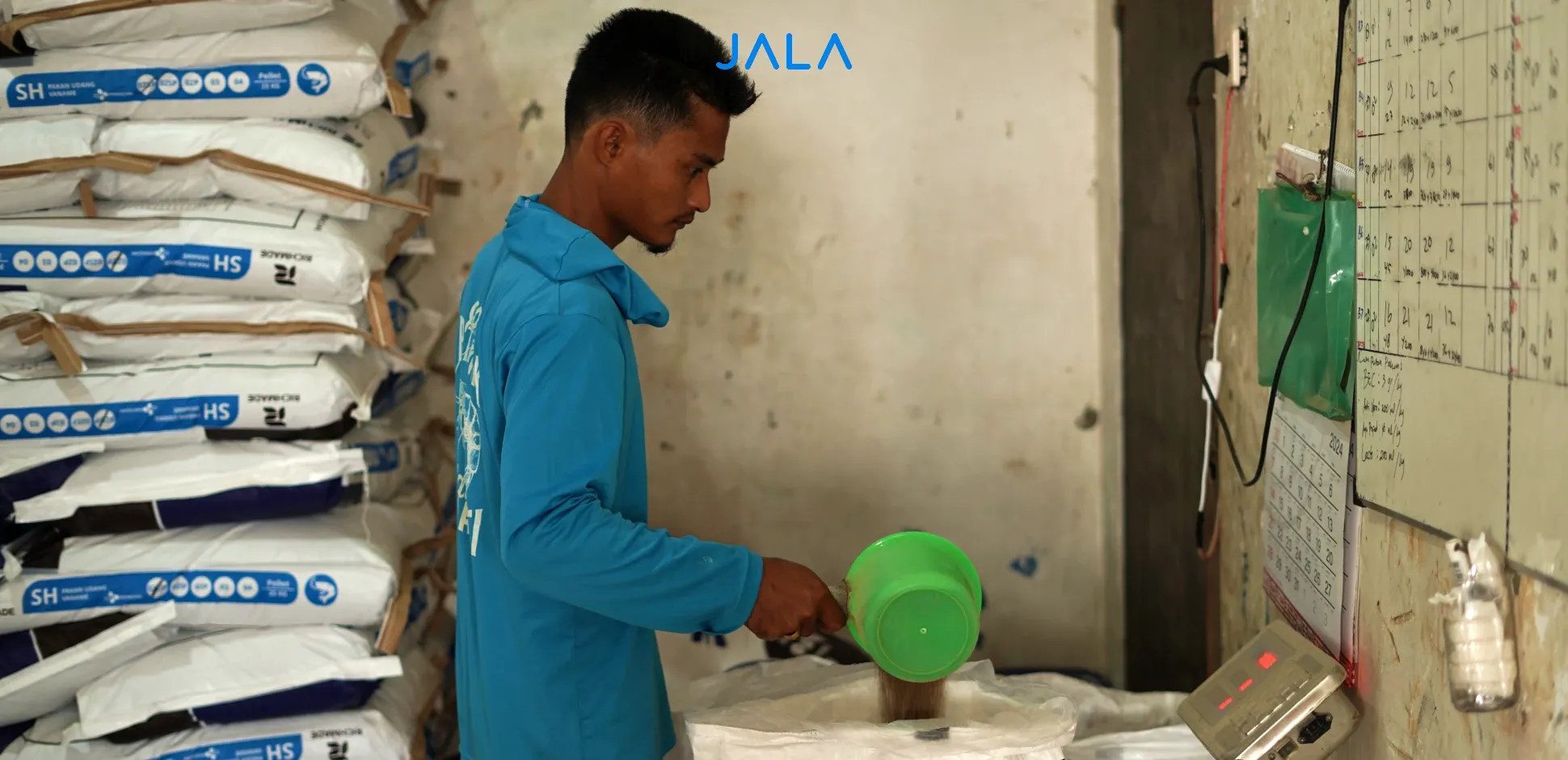
Successful shrimp cultivation depends greatly on how well farmers maintain the quality standards of vannamei shrimp feed. Using high-quality shrimp feed can support optimal shrimp growth, improve feed efficiency, and help maintain stable pond water quality. On the other hand, poor-quality feed can hinder shrimp growth, increase organic waste, and drive up production costs.
Read on to learn about the characteristics of high-quality shrimp feed and how to manage it properly to keep it safe for shrimp consumption.
Criteria for High-Quality Shrimp Feed
High-quality shrimp feed has several key physical characteristics, including:
- Uniform pellet size to ensure consistent feed consumption.
- Minimal dust and good floating ability.
- Free from mold and musty odors.
- Dry, with a maximum moisture content of 10%.
In addition to its physical characteristics, feed performance in water is also important:
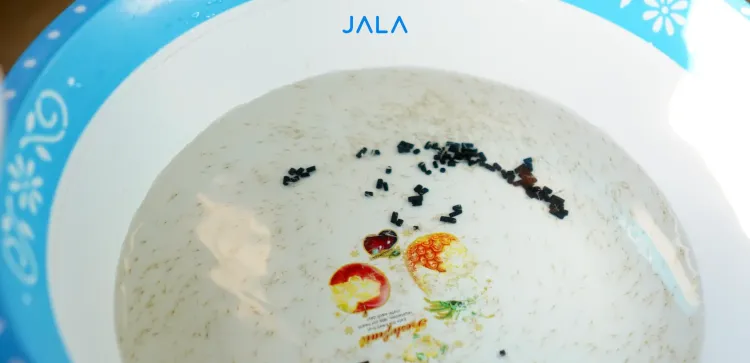
- Water stability for 2-3 hours to prevent the feed from dissolving too quickly and becoming waste.
- A balanced texture that is firm enough to prevent the pellets from breaking apart easily, yet soft enough to remain digestible for shrimp.
- Good attractability so shrimp can find the feed easily and consume it promptly.
The nutritional quality of shrimp feed is also greatly affected by proper storage. Feed should be protected from heat, direct sunlight, moisture, and contamination from bacteria, mold, insects, and rodents. Ideally, shrimp feed should be stored in a cool, well-ventilated room at a temperature of 20-30°C.