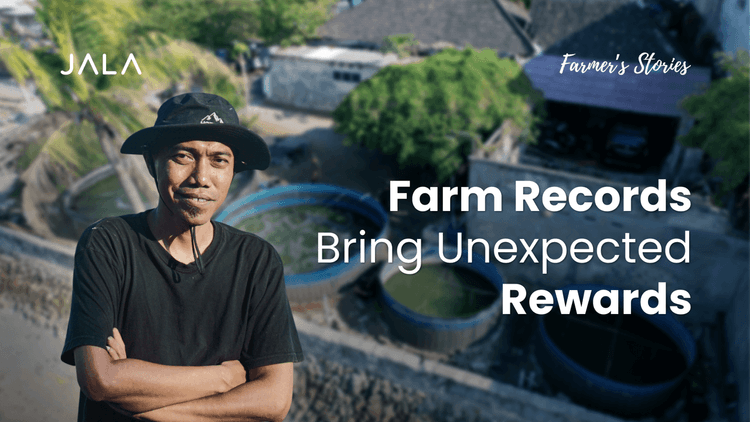
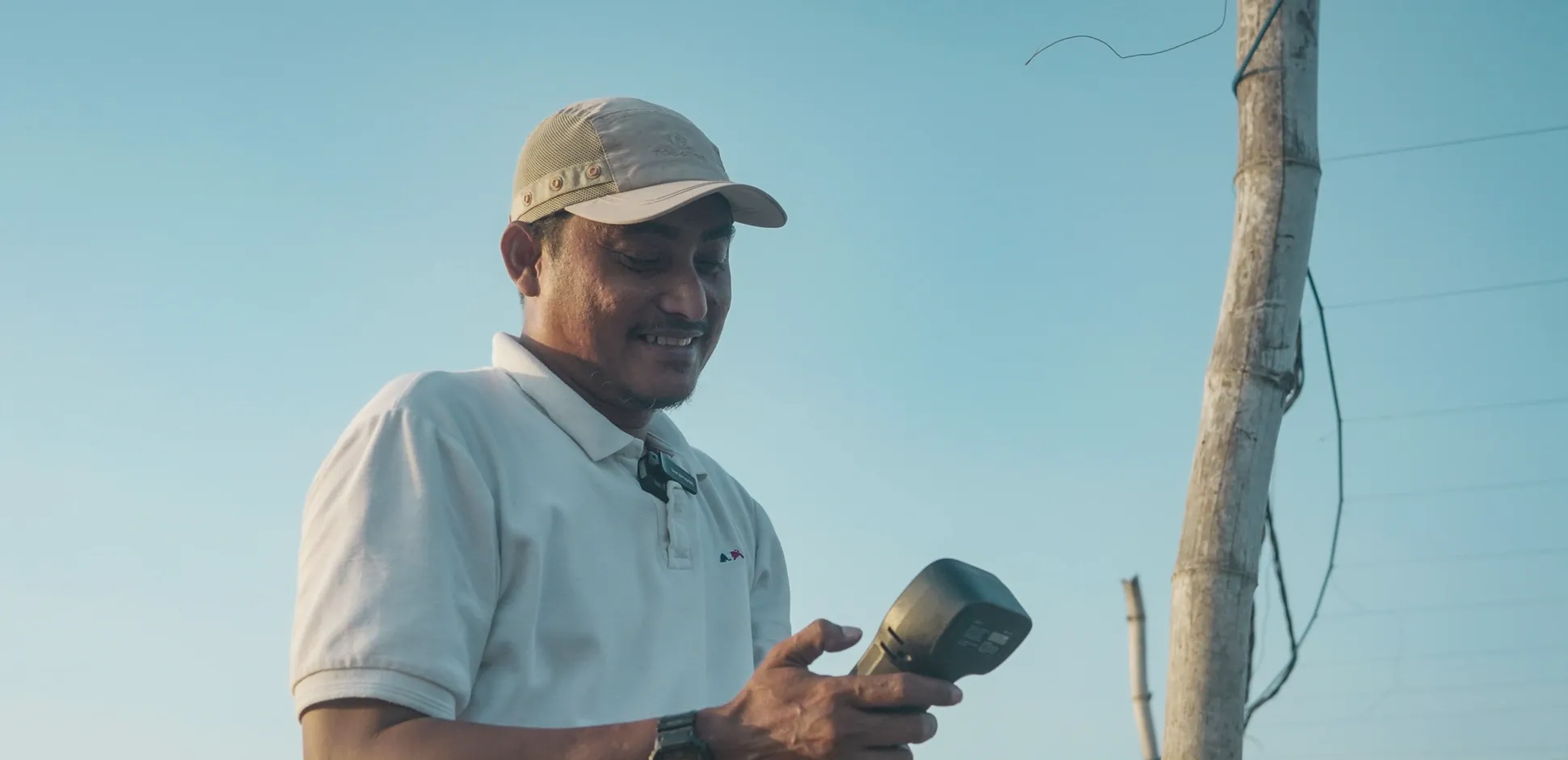
Despite the promising economic potential of vannamei shrimp cultivation, disease outbreaks and fluctuating environmental conditions remain major challenges for farmers. For Mohan, a farmer from Lamongan, East Java, these challenges have shaped his journey toward becoming a resilient, data-driven farmer.
From starting his career as an assistant technician in Bali to managing farms in various locations, Mohan shares his experiences, water quality management strategies, and insights into how data can support more sustainable shrimp cultivation practices.
Learning from Failures and Managing Risks
Working in shrimp farming involves more than technical expertise. It also requires commitment and the ability to navigate risks. Mohan explains that the stakes were very different when he worked as a technician compared to when he began managing his own farm.
"When I was a technician, failure put my career at risk. But when I started managing my own farm, everything was at stake, from my capital and career to my family's livelihood", Mohan explains.
His farm has experienced outbreaks of diseases such as WSD and EHP. Facing these setbacks was understandably discouraging. However, Mohan's approach to recovery begins with reviewing his cultivation records and evaluating what went wrong during the failed cycle. He then uses these data to consult and collaborate with the right people to identify solutions.
For Mohan, farmers who do not rely on data when facing setbacks risk making decisions based solely on assumptions or emotions. On the other hand, when the data indicates that conditions are safe, farmers can remain calm, stay consistent, and work through problems with greater confidence.
Cultivation Strategies: Balancing Water Quality Parameters and Plankton
Maintaining water quality and managing the population of microorganisms in the pond are essential aspects of shrimp cultivation. Mohan shares the following strategies for managing water quality parameters.
1. pH and alkalinity as a buffer
Maintaining stable pH helps support a balanced pond ecosystem, including the relationship between plankton and bacteria. Stable pH levels are generally supported by adequate alkalinity, which acts as a buffer against pH fluctuations. By keeping pH within a consistent range and taking corrective action when levels are too low or too high, farmers can better manage pond conditions and maintain an environment that is safe for shrimp.
2. Understanding temperature fluctuations and Dissolved Oxygen (DO)
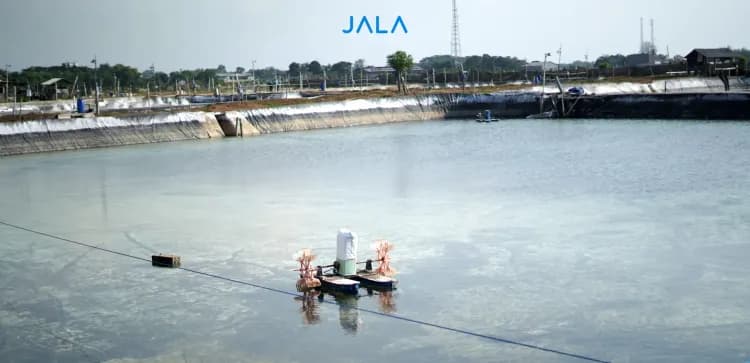
Plankton plays an important role in shrimp ponds, but its population needs to be controlled. High oxygen (DO) levels during the day may indicate a dense plankton population. This can increase the risk of a sharp drop in DO at night as plankton and other organisms consume oxygen through respiration. That is why checking DO levels at night is essential. Regular monitoring helps farmers anticipate low-oxygen conditions and reduce the risk of shrimp surfacing when paddlewheel aerators are switched on too late.
Using Baruni to Support Data-Driven Decisions
Farmers often rely on visual observations, such as water color, when deciding what action to take. However, visual assessments can be subjective and may not provide a complete picture of pond conditions. This is where Baruni supports data-driven shrimp farming by providing objective water quality measurements. Mohan has experienced several benefits of using Baruni in his farm operations:
- Monitoring key water quality parameters: Baruni measures five water quality parameters, pH, temperature, DO, salinity, and ORP. These measurements help Mohan gain a more comprehensive understanding of pond conditions.
- Guiding daily treatment decisions: Measurement data helps Mohan determine daily treatments based on actual pond conditions. This allows him to consider the treatments needed while avoiding unnecessary expenses.
- Understanding changes across parameters: Monitoring multiple parameters helps Mohan observe how water conditions change over time. For example, he can examine temperature fluctuations, pH changes, and DO dynamics together to better understand the conditions in his ponds.
"Farmers who understand the importance of data will certainly be interested in Baruni because what we rely on is objective data", Mohan explains.
Conclusion
While some farmers may still underestimate the importance of keeping farm records, Mohan remains committed to his data-driven approach. Successful shrimp cultivation requires a combination of passion, discipline in applying fundamental cultivation principles, and the effective use of data technology. By maintaining balanced water quality parameters, managing environmental fluctuations, and using water quality monitoring tools such as Baruni, farmers can work toward more consistent and sustainable shrimp farming outcomes. Accurate data supports better decisions, while harvest results ultimately demonstrate the value of those decisions.