A shrimp farm’s success is about more than harvest volumes. It also depends on how the farm manages its responsibilities to the environment, its workers, and surrounding communities. ESG teams help put sustainability into practice, from monitoring operational impacts to supporting preparations for shrimp farm certification.
So, what does working in ESG look like in the shrimp industry? At JALA, it involves planning, reviewing operational processes, and visiting farms to understand what is happening on the ground.
What Does ESG Mean in Shrimp Farming?
In shrimp cultivation, these three areas cover managing environmental impacts, supporting workers and local communities, and ensuring that operations follow established procedures and meet relevant requirements. JALA’s ESG team brings together expertise in business process improvement, environmental and social management, compliance, and project management. Together, they help make cultivation operations more effective and sustainable.
What Does JALA’s ESG Team Do?
1. Monitor farms’ environmental impacts
This work includes monitoring farm wastewater management, checking compliance with applicable quality standards, and reviewing laboratory test results. The findings help the ESG and operations teams identify where improvements are needed.
2. Support coastal ecosystem protection
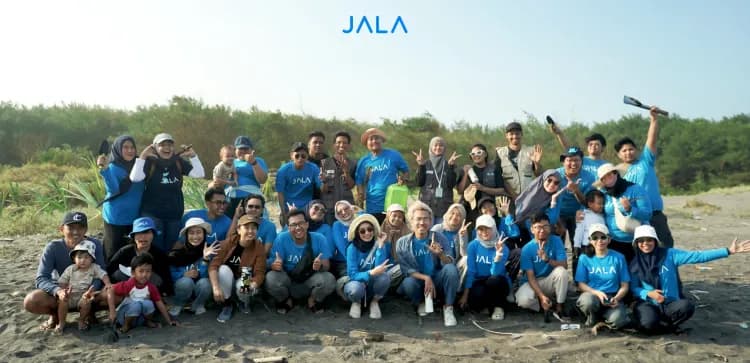
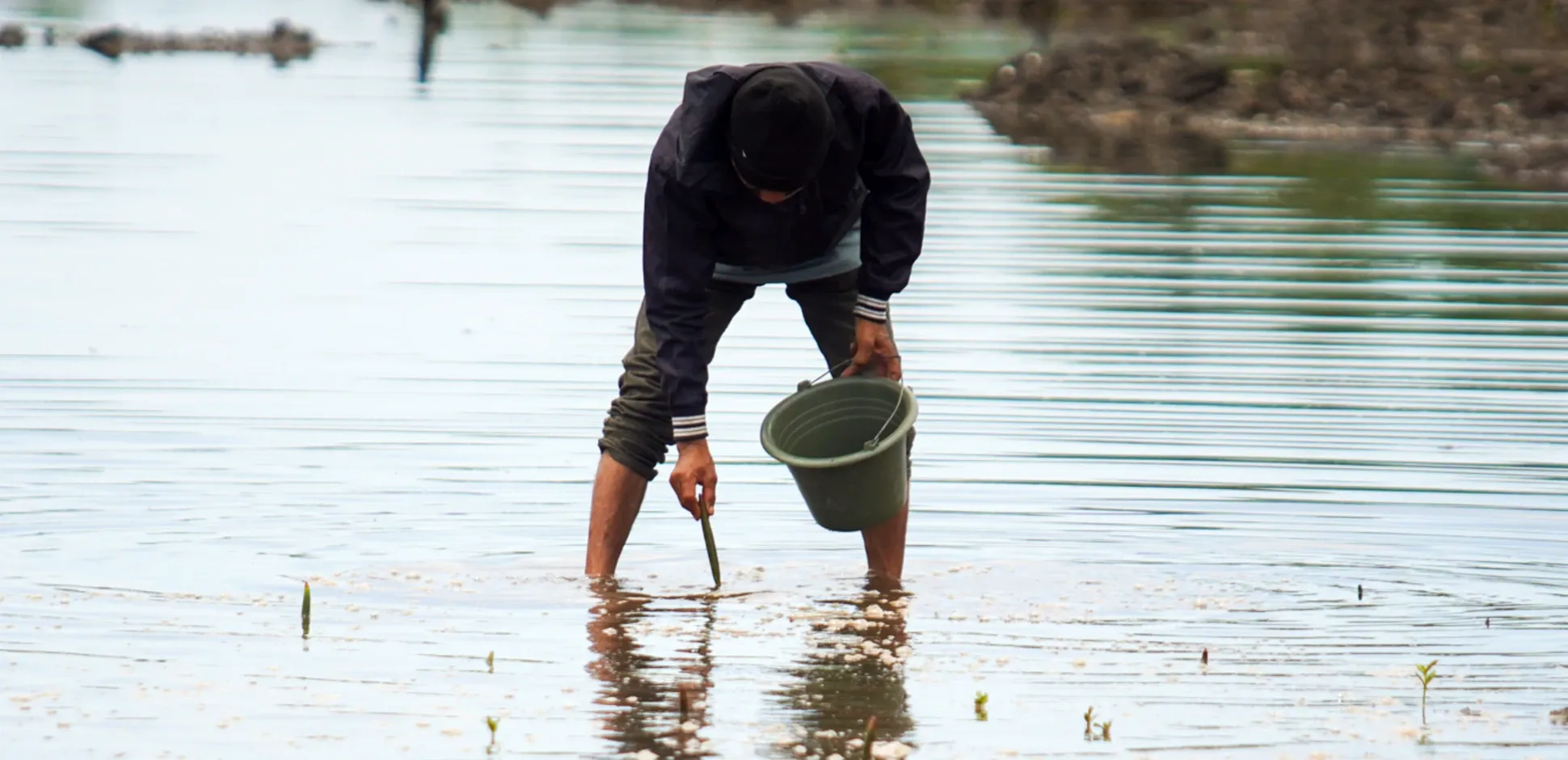
The ESG team also considers the health of surrounding coastal ecosystems. This includes supporting mangrove planting in suitable locations to help protect coastlines and provide habitats for a variety of species.
3. Encourage responsible waste management
Waste collection services are not readily available at every farm location. The ESG team helps promote practical solutions, such as sorting waste, reusing materials, setting up community recycling collection initiatives, and properly handling waste from shrimp production.
4. Build relationships with local communities
At JALA’s farms, community activities include sharing shrimp or essential supplies with nearby residents during harvests. New farm developments can also create opportunities for local residents to apply for jobs, helping surrounding communities benefit from the farms’ presence.
5. Plan and evaluate programs on site
ESG work combines office-based planning with farm visits. These visits help the team review how programs are being implemented, understand challenges, and agree on next steps with the teams involved.
Our work is hybrid. We’re sometimes in the office, but we’re out in the field quite often too. We need to see firsthand how projects are managed and assess the sustainability of operations, from the farms and harvesting process to the processing plant.
Says Nur Komariah Baladrat, Senior Project Officer on JALA’s ESG team.
Supporting Certification: JALA’s Donggala Farm Achieves CBIB
To help prepare for certification, the ESG team can review procedures, check records, and coordinate improvements with relevant teams. One of JALA’s achievements is the certification of its farm in Donggala, Central Sulawesi, under Indonesia’s Good Aquaculture Practices standard, known as CBIB, or Cara Budi Daya Ikan yang Baik.
The standard also applies to cultivation and offers several benefits:
- Supporting product quality and food safety through proper management of post-larvae, feed, veterinary treatments, hygiene, and harvest handling.
- Strengthening traceability through well-maintained cultivation records.
- Encouraging responsible environmental management, including water and waste management, while helping build buyer confidence.
CBIB certification does not automatically lead to higher shrimp prices or satisfy every export requirement. However, it demonstrates compliance with cultivation standards that must continue to be upheld in day-to-day operations.
Interested in a Career in ESG?
If you are exploring careers in fisheries and aquaculture and have an interest in environmental and social issues, ESG could be worth considering. The work calls for attention to detail, communication and project management skills, and a willingness to work in the field. Technical requirements vary by role, but a genuine interest in sustainability and a willingness to keep learning are important foundations. To explore opportunities with JALA, visit the JALA careers page.