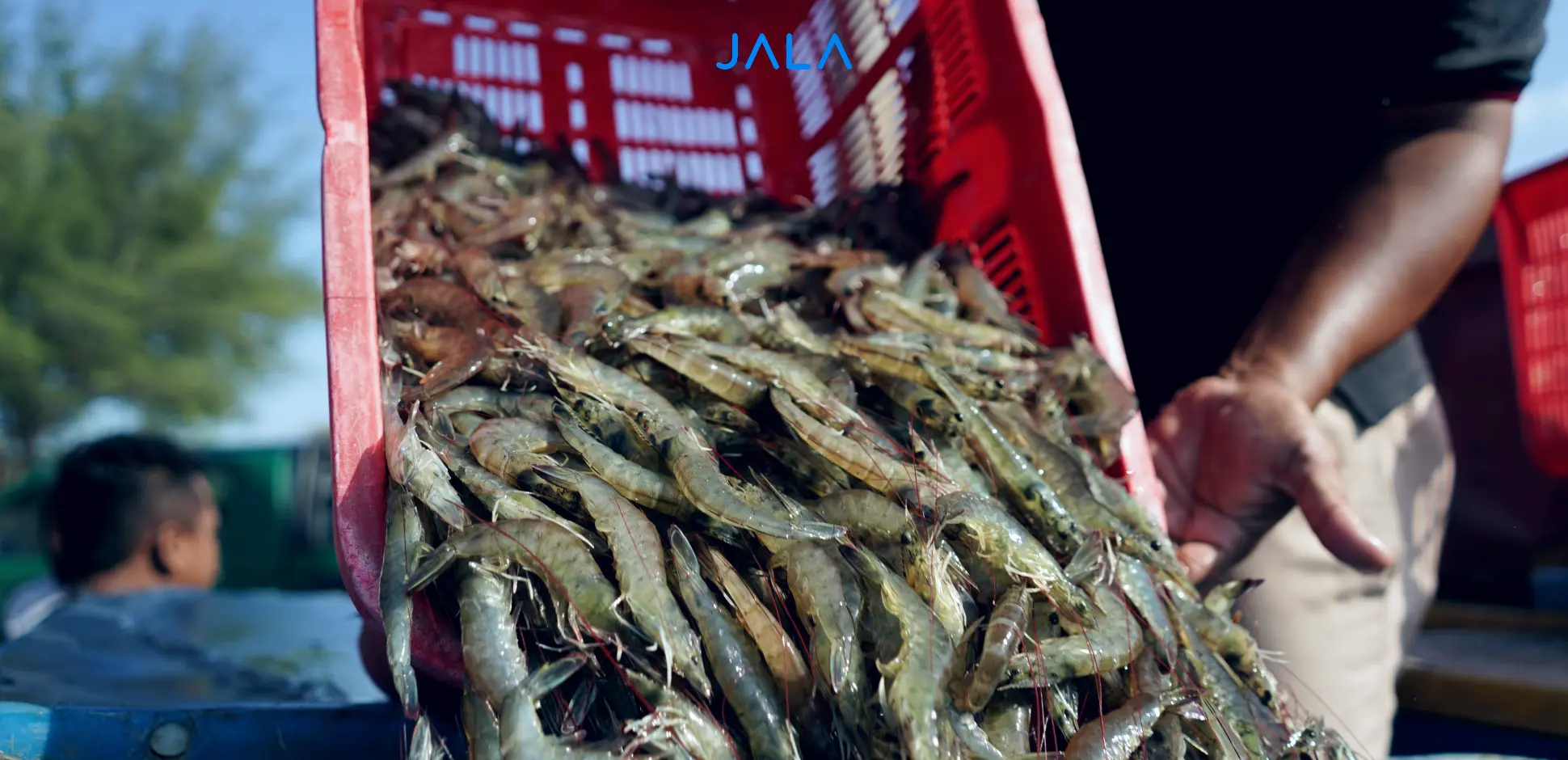
Indonesia’s shrimp industry is a cornerstone of the national marine economy and a major contributor to global aquaculture exports. However, in recent years, Indonesian shrimp has increasingly faced rejection in international markets due to findings of chemical residues, such as banned antibiotics and heavy metals as well as a recent case involving suspected radioactive contamination with Cesium-137, which resulted in thousands of tons of shrimp being returned to their country of origin.
These incidents have raised serious concerns over the credibility and competitiveness of Indonesian shrimp in the global market. The United States, Indonesia’s largest shrimp export destination, along with the European Union and East Asian markets such as Japan, China, and South Korea, enforce stringent regulations on food safety, residue monitoring, and product traceability for seafood imports.
This article explores the impact of hazardous substances in shrimp production and outlines the key steps required for Indonesian shrimp to comply with international export standards.
The Impact of Chemical and Radioactive Residues on Shrimp
Various harmful chemical residues can be detected in shrimp products, including antibiotics (chloramphenicol, nitrofurans, and fluoroquinolones), heavy metals (lead, cadmium, mercury), pesticides, and more recently radioactive Cesium-137. The presence of these substances poses serious risks to the industry. From a biological perspective, residues can trigger mass mortality, disease outbreaks, and even genetic damage in shrimp. For consumers, exposure increases the risk of antibiotic resistance, cancer, and genetic disorders.
Ecologically, the release of organic waste and active compounds from medicated feed or chemical treatments can pollute surrounding waters. This leads to bioaccumulation and biomagnification of toxic compounds within the food chain, eutrophication, and long-term degradation of aquatic ecosystems around farming areas. Economically, each export rejection results in massive financial losses and damages Indonesia’s reputation as a leading global shrimp exporter. Restoring market confidence often takes years, even after product safety has been officially reinstated.
Required International Standards
To access global markets, shrimp products must comply with internationally recognized regulations and certifications, including:
- Codex Alimentarius (WHO/FAO): Serves as the global reference standard recognized by the World Trade Organization (WTO) for maximum residue limits of veterinary drugs, heavy metals, pesticides, and food labeling guidelines.
- European Union Regulations: Regulation (EU) 2017/625 and Regulation (EC) No. 853/2004 require a National Residue Plan and strict limits on heavy metals, pesticides, dioxins, and polychlorinated biphenyls (PCBs). Product labeling is governed by Regulation (EC) 1169/2011, while Hazard Analysis and Critical Control Points (HACCP) is a basic requirement.
- United States (FDA, NOAA): Shrimp must be free from chloramphenicol, nitrofurans, and fluoroquinolones, and comply with FDA guidance levels for heavy metals. All producers are required to implement HACCP systems and undergo routine testing.
- Japan: Enforces residue limits that are often stricter than Codex standards, requiring intensive monitoring of heavy metals, antibiotics, and pesticides in accordance with regulations set by the Ministry of Health, Labour and Welfare (MHLW).
- Private standards: Global retailers increasingly require certifications such as Aquaculture Stewardship Council (ASC), Best Aquaculture Practices (BAP), and Good Agricultural Practices (GAP), emphasizing sustainability, traceability, and residue-free product assurance.
Challenges in Meeting Export Requirements
These regulatory demands place a heavy burden on small-scale shrimp farmers, who must bear the cost of certification and comply with strict residue testing parameters. Government support is therefore critical through technical assistance, access to accredited laboratories, certification subsidies, and intensified education on responsible chemical use and environmentally friendly alternatives such as probiotics and bioremediation. The long-term reputational impact of residue related incidents is particularly severe, as rebuilding trust in global markets requires significant time and financial investment.
Solutions and Opportunities to Address Export Challenges
- Collective action across stakeholders. Collaboration among farmers, industry players, government agencies, laboratories, and international buyers is essential. National investment in laboratory infrastructure, monitoring systems, transparent traceability, and certification subsidies will strengthen Indonesia’s export competitiveness and quality assurance.
- Capacity building and subsidies. Government-led programs can support smallholders through education, group certification schemes, and expanded research and cross disciplinary collaboration on chemical and radioactive residue risks.
- National policy and global collaboration. Indonesia is encouraged to establish national standards for radioactive and chemical residue control aligned with international benchmarks, while engaging experts in nuclear science, toxicology, and environmental management within the fisheries sector.
Conclusion

The sustainability of Indonesia’s shrimp exports depends on strong commitment across the supply chain, robust regulatory oversight, and the adoption of low-residue, innovation driven farming technologies. Only through world class monitoring systems and quality assurance can Indonesian shrimp remain competitive, protect its global reputation, and safeguard both producers and consumers in the long term. To gain deeper insights into the latest trends and challenges shaping the shrimp industry, join Shrimp Outlook 2026. Tickets are limited and available until January 31, 2026.