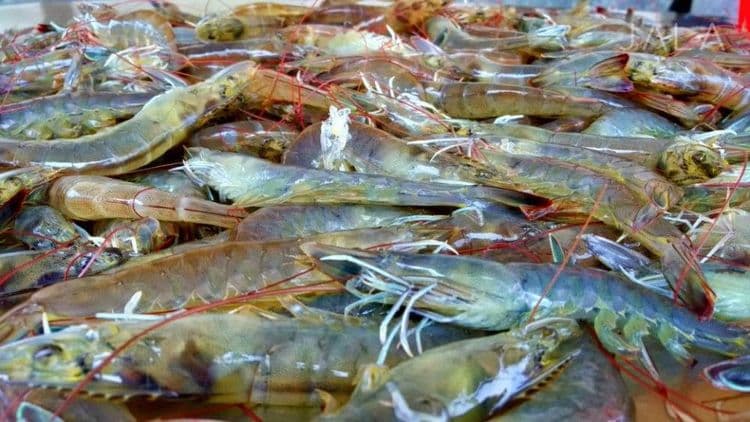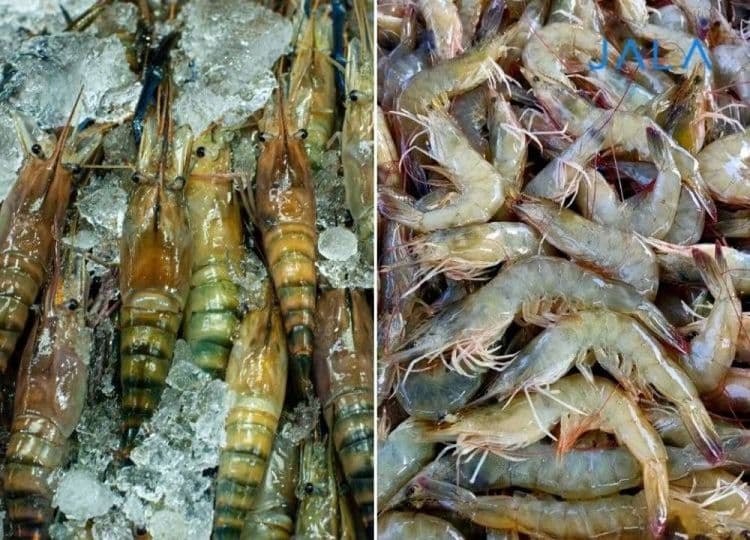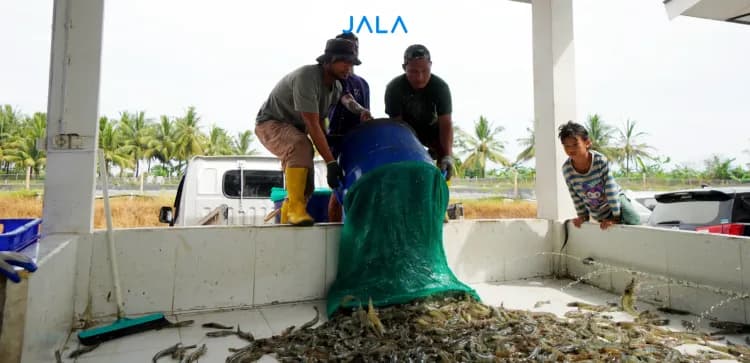

The year 2025 brings major challenges for Indonesia’s shrimp industry, particularly due to export related issues, from discussions around potential Trump tariffs to concerns over harmful substances. These pressures have reduced buyer interest abroad, made it difficult for many farmers to sell their harvests and causing sharp price fluctuations. Yet behind these export hurdles lies an opportunity, increasing domestic shrimp utilization. This situation demands not only survival strategies but also bold innovation to strengthen local shrimp consumption.
Below are several strategic steps that can help maximize domestic absorption of Indonesian shrimp.
Maximizing Indonesia’s Shrimp for Local Consumption
1. Expanding product innovation for shrimp based foods
Diversifying processed shrimp products adds significant value and makes Indonesian shrimp more appealing to consumers. A wide range of value added products, such as ebi furai, nuggets, shrimp meatballs, otak-otak, siomay, and more, can elevate shrimp’s commercial potential. Processing industries, including frozen food manufacturers, can serve as large volume buyers for the domestic market, opening access to modern retail channels and e-commerce.
2. Positioning shrimp as a protein substitute in Indonesian cuisine
Shrimp can also serve as an alternative protein source in Indonesia dishes that traditionally use fish or other meats. Introducing global ready Indonesia dishes made with shrimp, such as shrimp rendang or shrimp noodles can help reposition shrimp beyond an export commodity. Through such diversification, shrimp can become a culinary icon with strong domestic appeal and international potential.
3. Introducing Indonesia shrimp based dishes
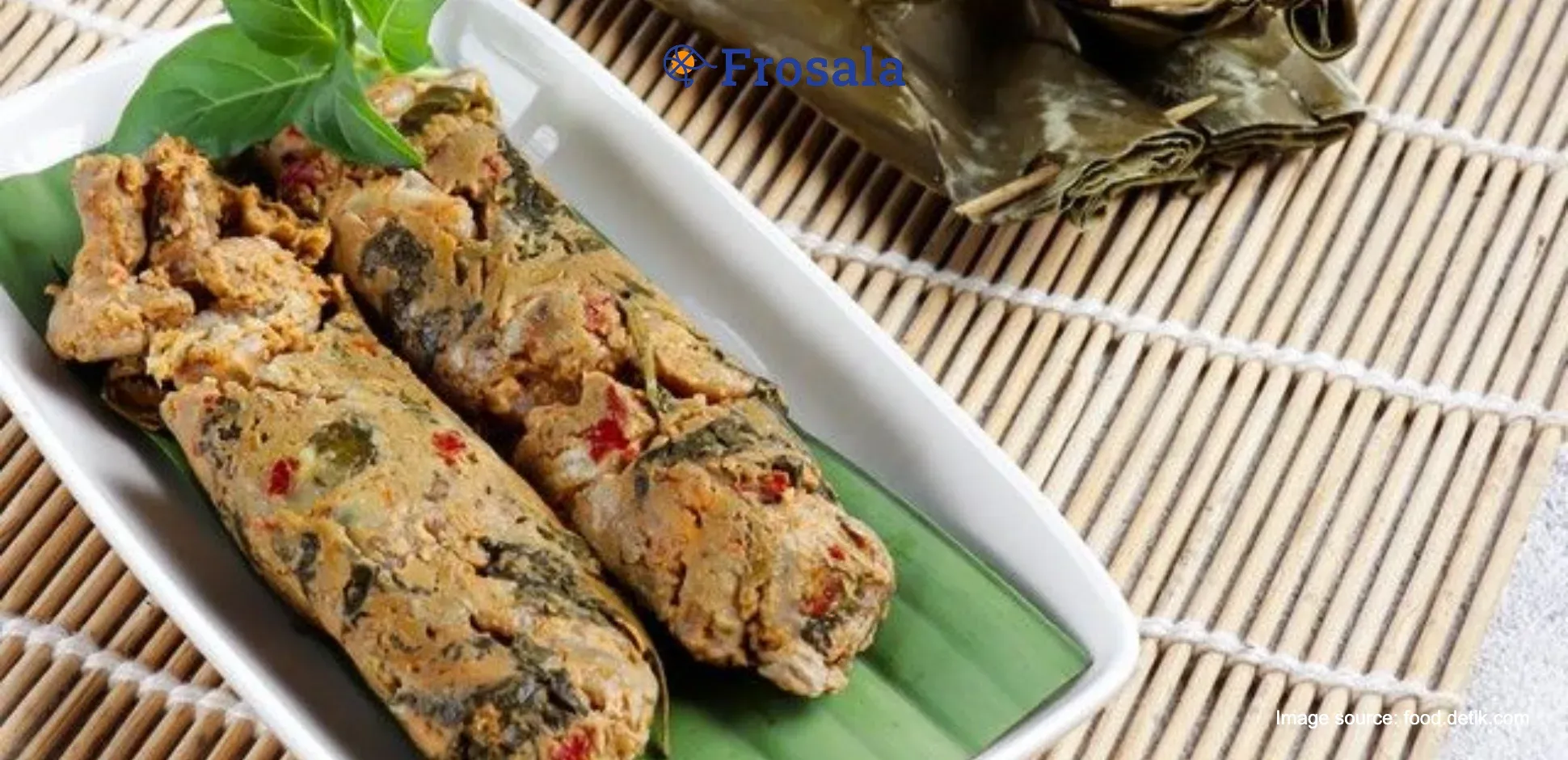 Indonesia has a rich variety of traditional dishes made with shrimp, such as shrimp with padang sauce from Padang, spicy garo rica-rica shrimp from Manado, and balacan chili shrimp from Belitung. These dishes can serve as added value to promote Indonesian shrimp, helping more people recognize that Indonesia is rich in diverse shrimp based products.
4. Partnering with major brands and broad distribution networks
Shrimp industry players can expand their branding through collaborations with established companies that already have strong distribution networks and brand equity. Imagine popular brands like Indomie releasing a shrimp flavored variant or adding shrimp meatball toppings to their instant noodle products. These kinds of innovations not only enrich consumer choices but also elevate shrimp as a modern, relevant protein option.
By strengthening collaborations across the value chain, both industry players and consumers can help build a more stable shrimp market, one that is resistant to price swings and not overly dependent on volatile export demand. Local processing industries also act as buffers when export markets weaken, ensuring upstream businesses (farmers) can continue operating sustainably.
Positive Signals in Indonesia’s Shrimp Export Recovery
 Image source: Koran Jakarta
Despite facing export challenges earlier this year, Indonesia’s shrimp industry is now showing strong positive signs. Indonesian shrimp successfully re-entered the United States (US) market in November 2025 after being confirmed free from harmful substances. This achievement demonstrates Indonesia’s ability to meet international quality standards and restore global confidence in the country’s shrimp products.
Conclusion
These strategic measures can help optimize domestic shrimp absorption amid ongoing export related challenges. They also provide farmers and processors with pathways to remain profitable even when raw shrimp prices fall. However, success requires collective effort from communities, government bodies, and industry stakeholders to ensure Indonesia’s shrimp consumption continues to grow sustainably.