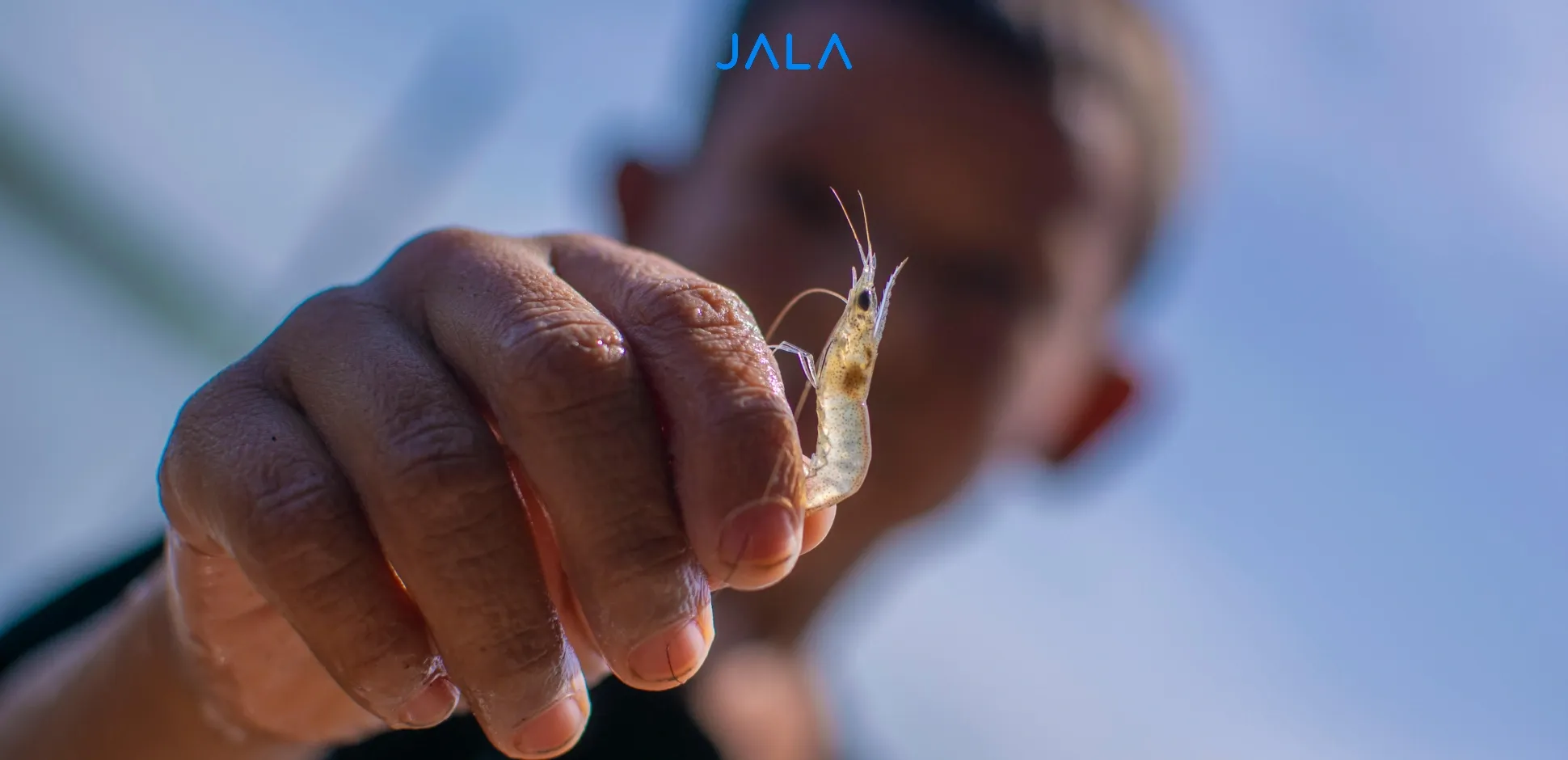
Early mortality is a critical threat in shrimp cultivation that directly impacts productivity. If not properly addressed, this phenomenon can lead to total crop failure and massive financial losses for farmers. To minimize these risks, it is vital for farmers to understand the primary factors driving early shrimp mortality below.
Root Causes of Early Shrimp Mortality
1. Poor quality post larvae
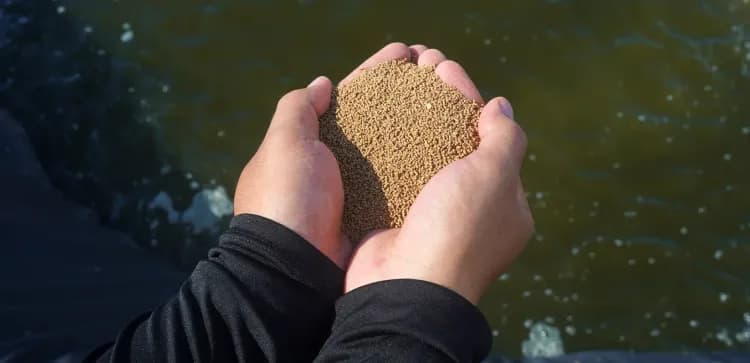
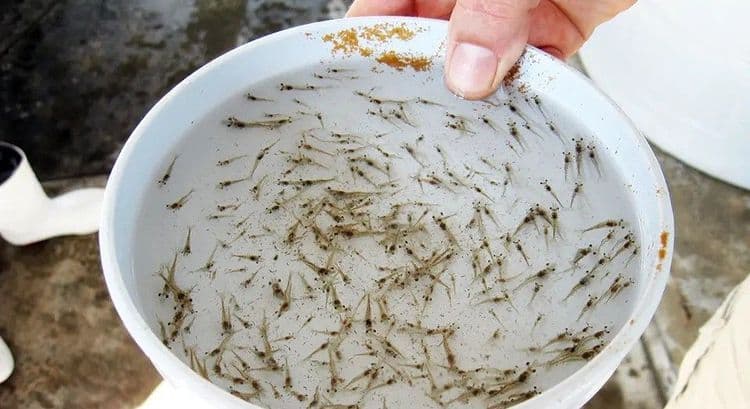
Choosing post larvae (PL) without strict selection can trigger a domino effect that threatens the entire production cycle. Low quality PL, especially those sourced from regular grow-out ponds rather than specialized broodstock are highly susceptible to diseases and run a high risk of early mortality. As a preventive measure, farmers are strongly advised to source PL from trusted hatcheries that provide Specific Pathogen Free (SPF) certification. This certification guarantees that the PL are free from pathogenic bacteria and viruses, having undergone rigorous official laboratory testing.

2. Disease outbreaks
Acute Hepatopancreatic Necrosis Disease (AHPND), widely known as Early Mortality Syndrome (EMS), is a leading cause of early shrimp death. Triggered by a specific strain of vibrio bacteria, this disease typically strikes during the early stages of cultivation, specifically within the DOC <30. In severe cases, AHPND can cause mass mortality in a matter of days, making it a threat that demands maximum vigilance.
3. Deteriorating water quality
Unpredictable weather shifts and poor farm site selection are the main culprits behind deteriorating water quality. These factors trigger extreme fluctuations in water parameters, particularly pH levels. When these sudden shifts are left unmanaged, they create a hostile environment for the shrimp, stunting their growth and spiking the risk of early mortality.
4. Sub-optimal pond environment management
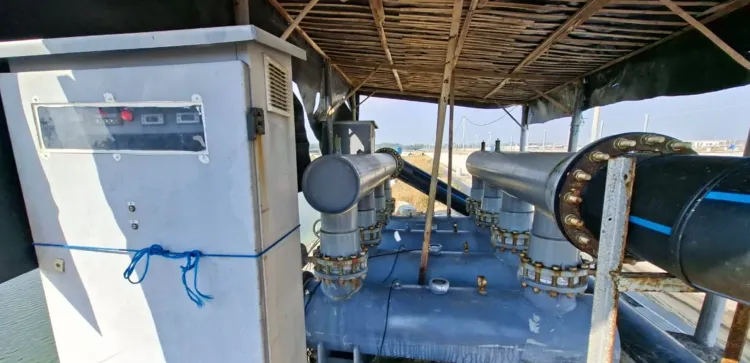
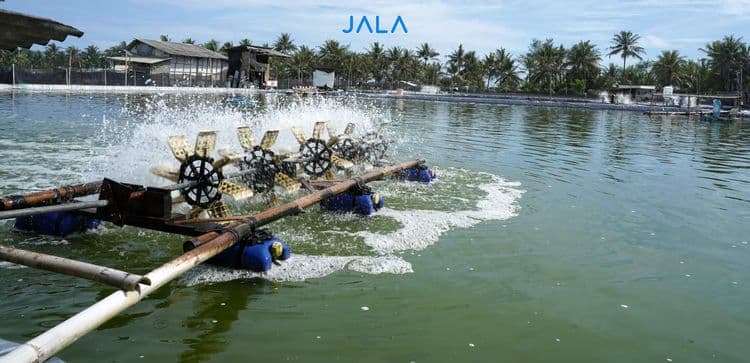
The health of shrimp is a direct reflection of their aquatic environment. Poorly maintained pond surroundings can easily stress the shrimp and compromise their immune systems. Technically speaking, neglecting pond hygiene can degrade water stability, leading to low alkalinity, high organic matter accumulation, and a spike in vibrio bacteria populations. If these sub-optimal conditions are neglected, early shrimp mortality becomes almost inevitable.
Conclusion

Early mortality is a crucial challenge that requires a comprehensive approach. This risk can be significantly minimized by implementing strict aquaculture management, which includes stocking SPF-certified PL, practicing early disease prevention, routinely monitoring water parameters, and maintaining consistent pond sanitation. To make pond management more measurable and detect risks early on, integrate JALA App into your daily cultivation routine. With structured, data-driven insights at your fingertips, you can make faster and more accurate decisions to ensure a healthy, productive, and sustainable harvest.