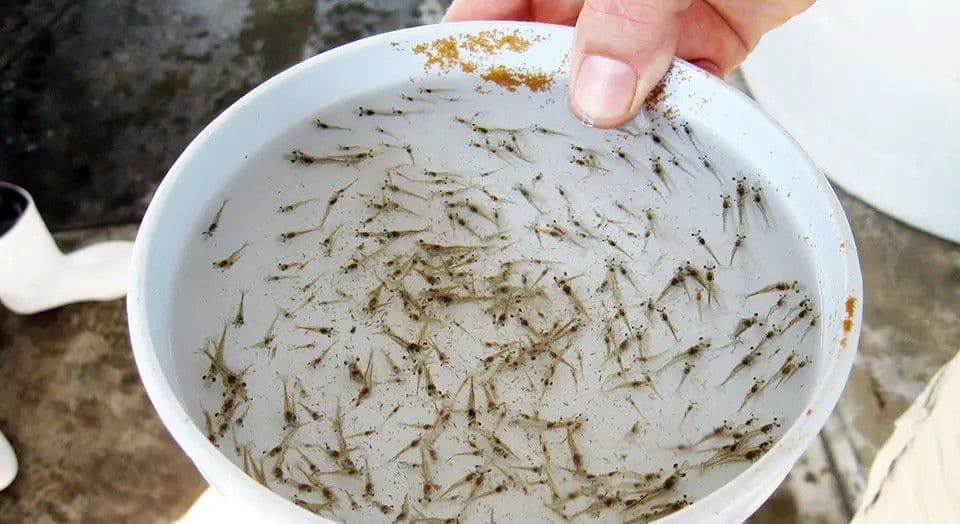
Selecting the right post larvae (PL) is one of the most important decisions at the start of every cultivation cycle. The quality of your PL has a direct impact on shrimp performance, survival, and harvest results. In modern aquaculture, you have probably come across the terms Specific Pathogen Free (SPF) and Specific Pathogen Resistant (SPR). Although they sound similar, these two terms refer to different genetic characteristics and serve different purposes. Understanding the difference can help you make better stocking decisions.
What Are Specific Pathogen Free (SPF) Post Larvae?
SPF shrimp breeding technology was first developed in the United States in the early 1990s, adapting successful breeding practices from the livestock industry. By 1998, SPF shrimp had been introduced to Asia and quickly transformed the shrimp farming industry. SPF PL are certified to be free from specific pathogens, particularly certain viruses at the time they are produced in the hatchery. This certification indicates their health status before they are stocked into grow-out ponds.
While SPF offer a high level of health assurance, there are several important points to understand:
- Disease-free, not disease-resistant: The SPF label does not mean shrimp are immune to disease. It simply certifies that they were produced in a clean environment and are free from specific pathogens at the hatchery.
- Dependent on pond conditions: Once stocked into a pond, SPF status can only be maintained if proper biosecurity practices are in place. Without good biosecurity, shrimp can still become infected by pathogens present in the water, soil, or surrounding environment.
- Targeted pathogen certification: SPF shrimp are typically certified free from major pathogens such as WSSV, TSV, IHHNV, IMNV, and AHPND.