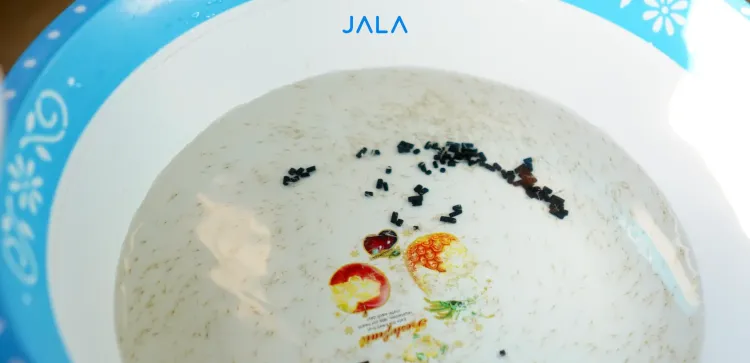
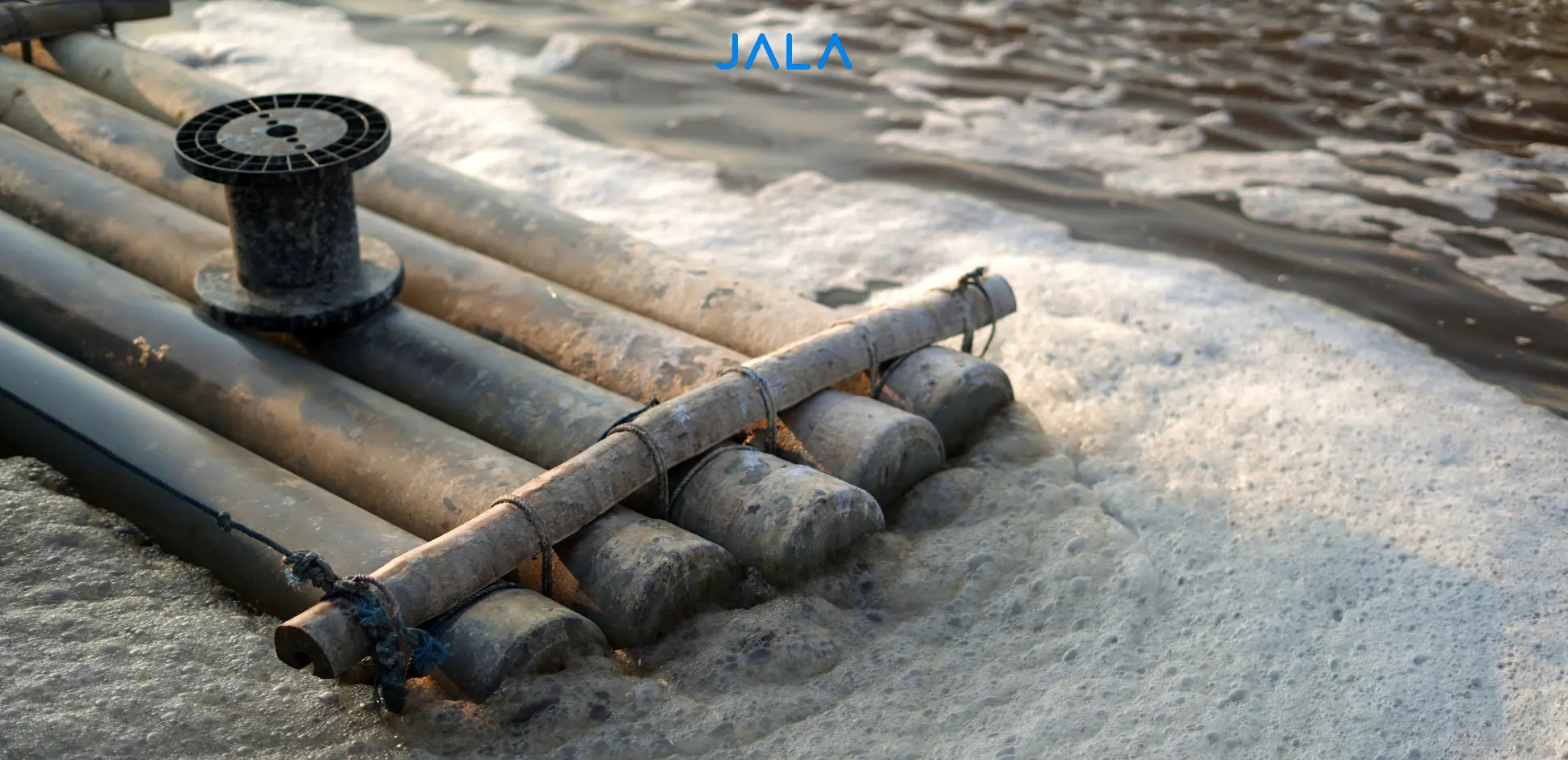
Total Organic Matter (TOM) refers to the accumulation of organic materials in shrimp farms, primarily originating from uneaten feed, feces, and metabolic waste. High TOM levels are commonly caused by plankton die-offs and overfeeding. This buildup can be observed through increased suspended particles in the water and sludge accumulation at the pond bottom. In many cases, the appearance of dirty foam on the water surface also indicates elevated organic content.
These conditions can disrupt overall water quality and may eventually affect shrimp feeding behavior and performance. In general, the recommended TOM level for cultivation water is <55 ppm. For treated source water in reservoirs, the recommended level is <20 ppm. This article discusses how elevated TOM affects water quality and outlines practical strategies to control it.
The Impact of High TOM on Water Quality
1. Decrease in Dissolved Oxygen (DO)
High organic loads stimulate microbial activity during decomposition. This process consumes significant amounts of oxygen, leading to a decrease in DO levels. When DO drops <4 mg/L, shrimp may experience stress, reduced appetite, higher susceptibility to disease, and even mortality.
2. Increased Biological Oxygen Demand (BOD)
The more organic matter present, the higher BOD, which reflects the amount of oxygen required by microorganisms to break down organic materials. Elevated BOD indicates a high organic waste load in the pond and often contributes to sharp DO declines, especially at night and early morning when photosynthesis is inactive.
3. Formation of anaerobic conditions
Intensive decomposition at the pond bottom can lead to oxygen depletion, creating anaerobic conditions. In this environment, organic matter is broken down without oxygen, producing harmful compounds.