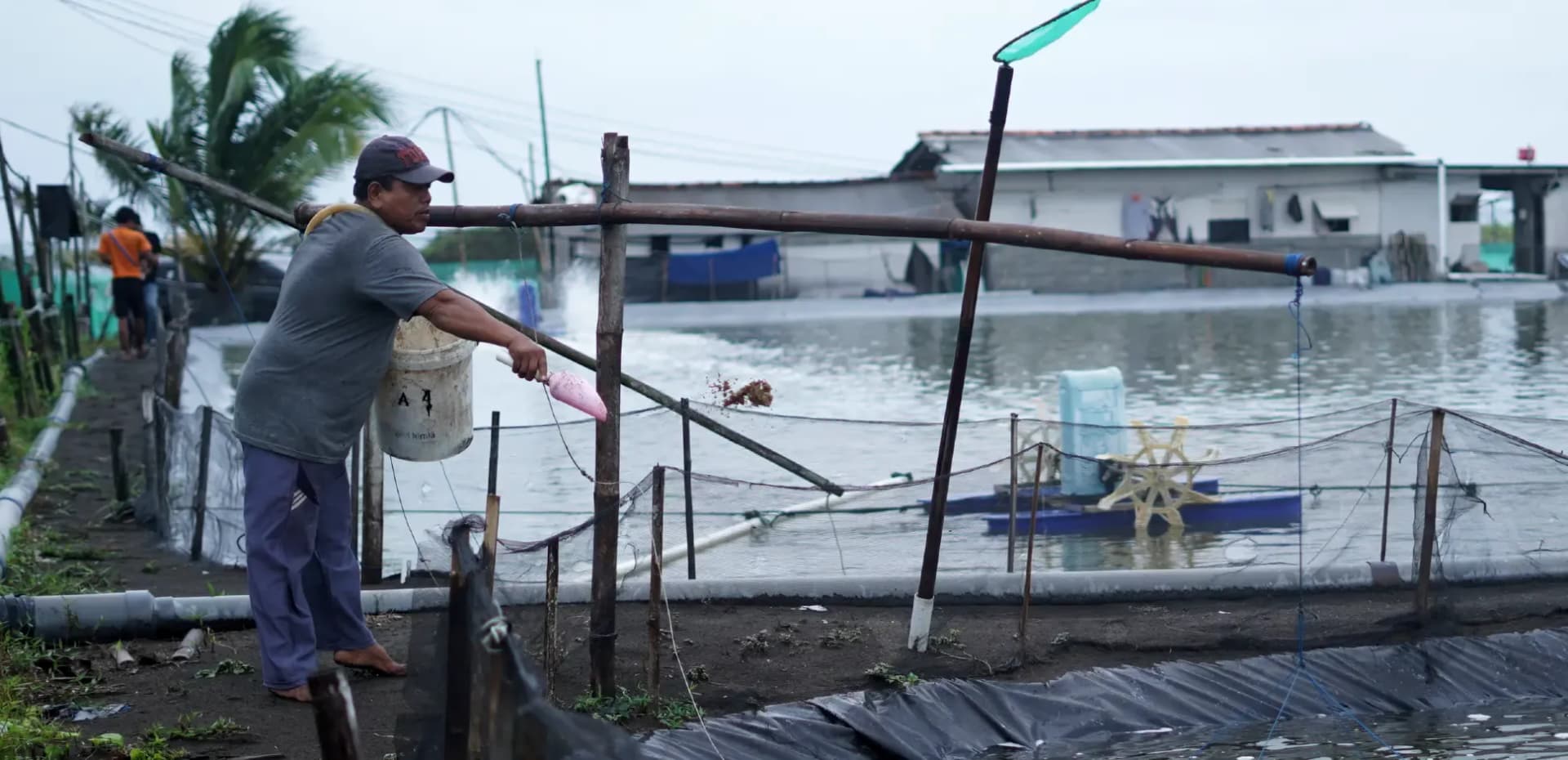
Maintaining water quality is a critical aspect of shrimp cultivation. Water serves as the primary living environment and plays a key role in determining growth, health, and harvest outcomes. Well-managed water conditions support optimal shrimp growth, reduce disease risks, and improve overall pond productivity. Effective water management also contributes to operational efficiency and environmental sustainability. So, how can shrimp pond water quality be kept stable? Here are practical approaches that can be applied in the field.
How to Maintain Shrimp Pond Water Quality
Healthy water conditions are defined by stability and the ability to support shrimp growth. The following practices can help maintain optimal pond water quality:
1. Regular water exchange
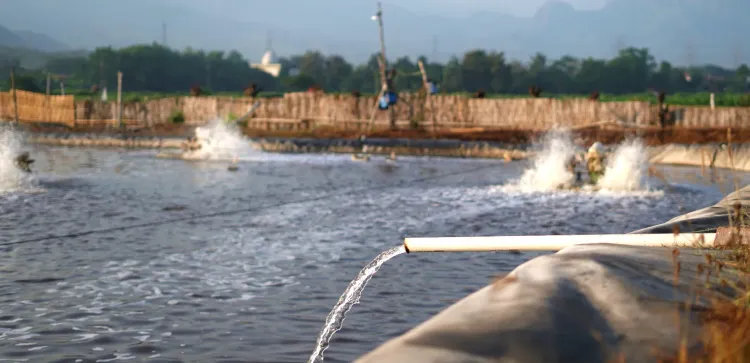
Water exchange aims to remove deteriorated water and replace it with higher-quality water. The frequency and volume depend on culture age, stocking density, shrimp biomass, water turbidity, and water availability in the reservoir.
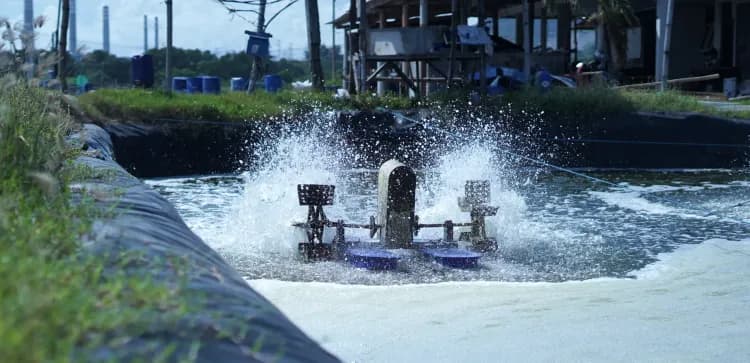
A recommended approach is to add new water first, followed by homogenization using paddle wheels. Water is then discharged from the bottom of the pond, including foam that traps waste. Before entering the pond, key parameters such as pH, DO, salinity, and temperature should be within optimal ranges. Water exchange typically ranges around 10% of total volume and can reach 25-50% under certain conditions, such as elevated ammonia levels.
2. Perform regular siphoning
Uneaten feed, dead plankton, and metabolic waste accumulate as sludge at the bottom of the pond. This buildup can increase ammonia levels, trigger the formation of hydrogen sulfide, and raise the risk of pathogenic bacteria.
Siphoning removes sludge using a hose directed to a drainage outlet. This practice helps maintain pond cleanliness while preserving water quality. A small portion of sludge should remain, as it functions as a natural bioreactor in the nutrient cycle. Removing all sludge may lead to imbalances in parameters such as ammonia, nitrite, and nitrate.
3. Apply probiotics appropriately
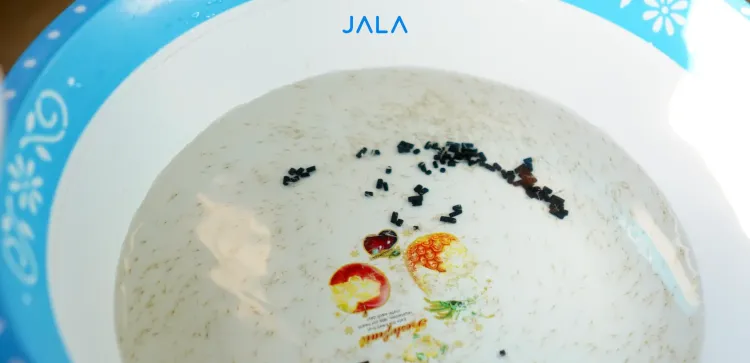
Probiotics help suppress harmful bacteria while promoting beneficial microbial populations. These microorganisms contribute to maintaining water quality, especially in terms of chemical balance. Probiotic selection should align with pond needs. Nitrosomonas and Nitrobacter support nitrification processes, while Lactobacillus and Bacillus help control vibrio populations.