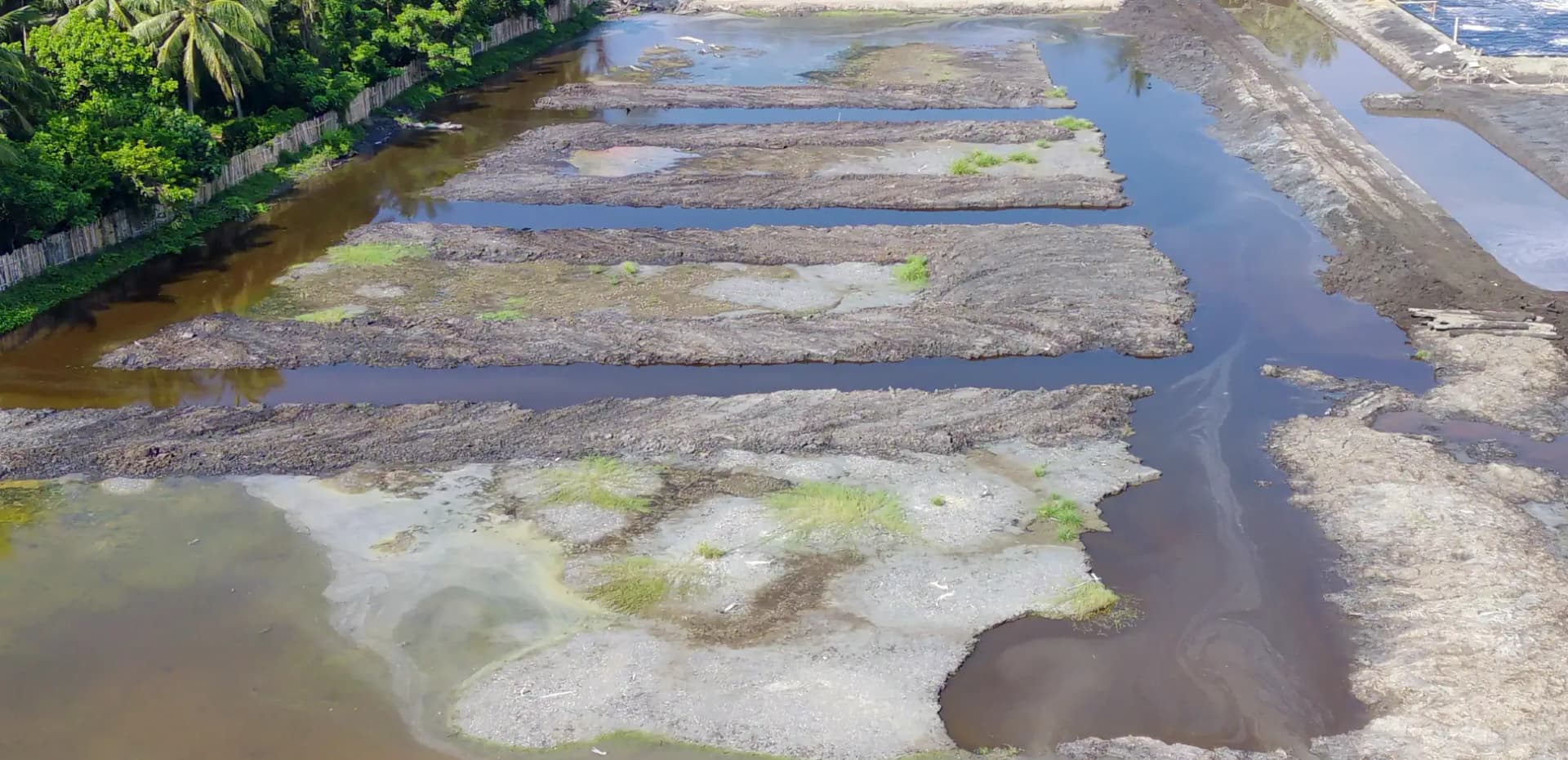
Shrimp cultivation is a promising business opportunity, especially for those entering the aquaculture industry. Traditional pond systems are often preferred due to their relatively simple management and lower risk levels. This system uses low stocking density (generally <100 shrimp/m²), which reduces environmental pressure and disease risks. However, it requires relatively large land areas, with productivity ranging from 400-500 kg/ha and still relying heavily on natural feed.
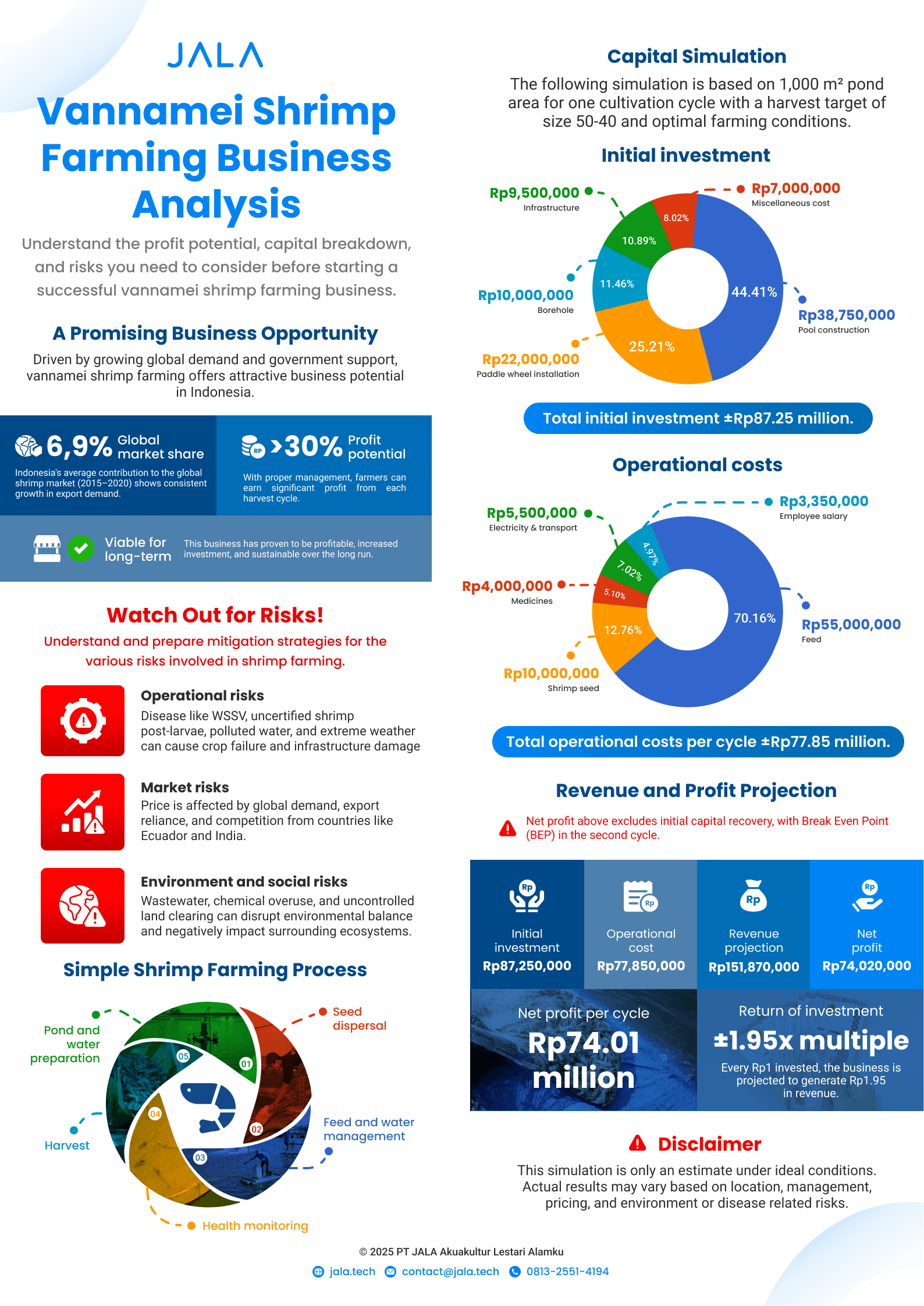
To achieve optimal results, each stage of the cultivation process needs to be properly managed. Here’s a complete breakdown!
Shrimp Cultivation Steps
1. Pond construction
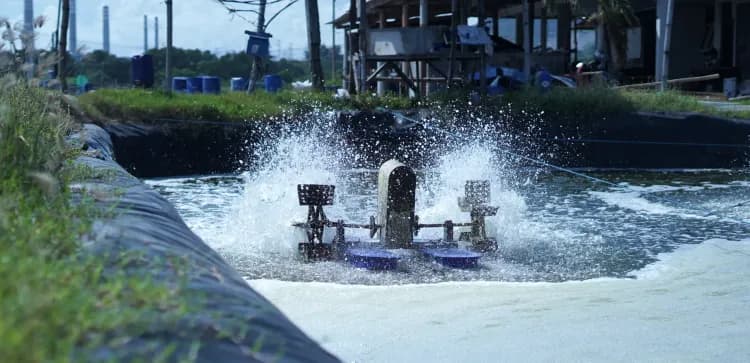
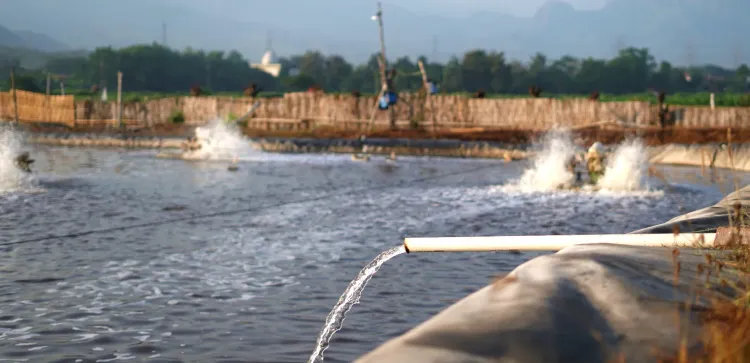
Traditional ponds should ideally be built on soil with good water retention capacity. The pond layout is designed without sharp corners to allow better water circulation. Water depth should not exceed 80 cm to help maintain suitable water quality for shrimp. In addition, proper design and layout are essential to ensure good water quality and reduce the risk of disease transmission.
Ideally, a pond should consist of:
- Sedimentation or reservoir pond.
- Grow-out ponds.
- Collective waste treatment pond or channel.
- Separate inlet and outlet gates.
2. Pond preparation
Preparation begins with drying the pond bottom for 7-10 days, depending on weather conditions. The soil is considered ready when it shows visible cracks and does not sink more than 5 cm when stepped on.
After drying, the pond bottom should be tilled to improve soil structure. Liming is then applied to stabilize soil pH, typically at 1,000 kg/ha for quicklime or 320 kg/ha for agricultural lime. This process helps eliminate harmful microorganisms while enhancing nutrient availability for plankton growth.
3. Natural feed development
In traditional ponds, plankton serves as the primary food source for shrimp. Phytoplankton can be stimulated through proper fertilization until the water turns light green or brownish-green. This color indicates a healthy plankton population that supports shrimp growth. However, water color must be controlled to prevent it from becoming too dense, as excessive plankton growth (blooming) can reduce oxygen levels in the pond.