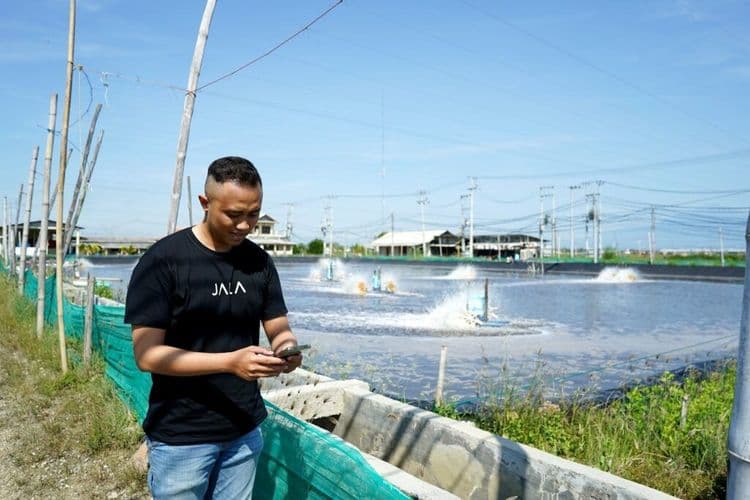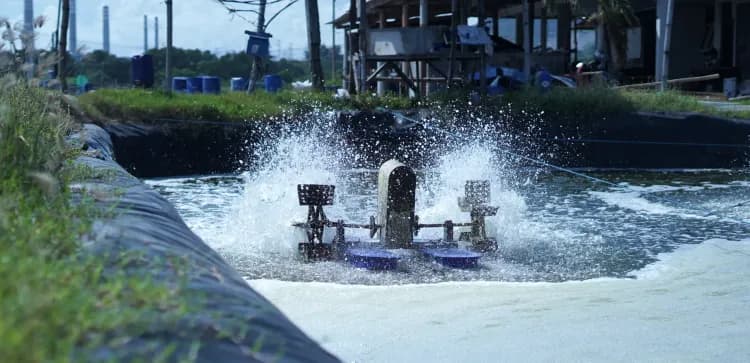
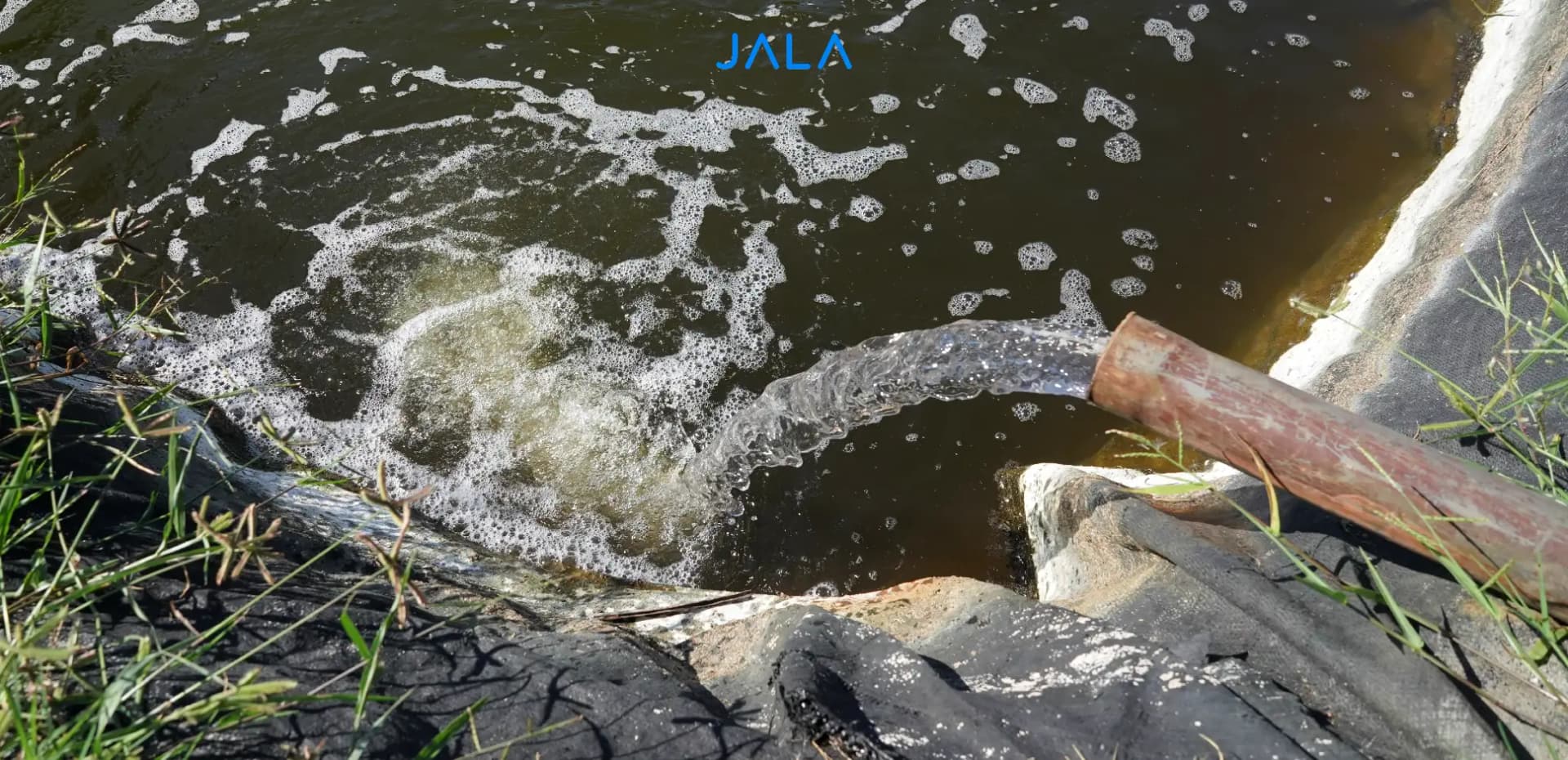
One of the key factors in successful shrimp farming is the quality and availability of water as the primary growing medium. Beyond seawater and freshwater, bore well water has become a strategic alternative, especially in inland areas. This article discusses the benefits, challenges, and applications of bore well water in intensive and semi-intensive shrimp farming as a solution for expansion and farm optimization.
Contents
Related ArticlesBenefits of Bore Well Water
Here are the key benefits of bore well water as a reliable water source for shrimp farming, especially when access to or quality of the main water sources is inadequate:
- Usable in areas far from the coastline, expanding the potential for shrimp farming land.
- Provides a consistent supply of water with moderate salinity (15-20 ppt), suitable for shrimp farming with mineral adjustments.
- Serves as an alternative water source when seawater or freshwater quality or access becomes problematic, and helps sustain operations during prolonged dry seasons.
- When properly processed through filtration and mineral enrichment, bore well water can meet the physical and chemical parameters required for shrimp growth.
Challenges of Using Bore Well Water
Although it offers significant advantages, bore well water also comes with several challenges that need to be considered before applying it in farm operations.
Login to Read the Full Article
Use your Jala account to read this article. If you don't have an account, please register on Jala App.