In shrimp cultivation, cost efficiency is a crucial factor in maintaining farm profitability. Fluctuating prices of feed, energy (electricity and fuel), and other operational needs require farmers to manage expenses more strategically. Without proper cost management, operational expenses can quickly increase and erode profit margins, even when production remains high. Therefore, understanding the major cost components and identifying effective efficiency strategies are essential steps for farmers who want to maintain the sustainability of their farming operations.
Operational Cost Components in Cultivation
In general, cultivation operational costs consist of several components, including feed, post larvae, medications, energy (electricity and fuel), and labor. Each component contributes differently to the overall production cost. However, some of them offer significant opportunities for optimization through better management practices.
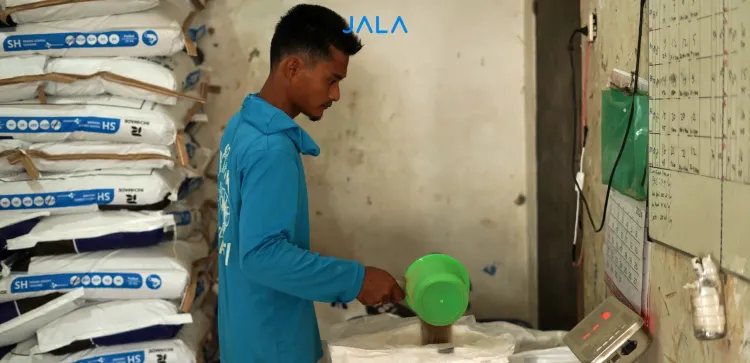
Among these components, feed typically represents the largest expense, accounting for approximately 50–70% of total production costs in a single cultivation cycle. For this reason, cost efficiency strategies do not necessarily mean drastically reducing inputs, but rather optimizing resource use to achieve maximum productivity with more controlled expenses.