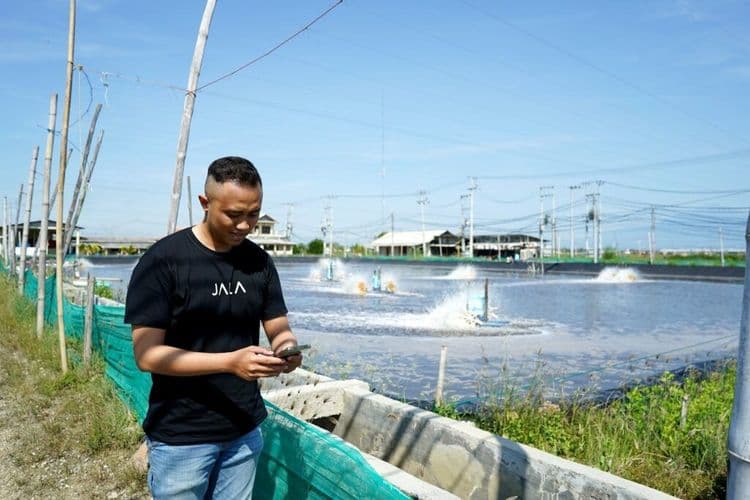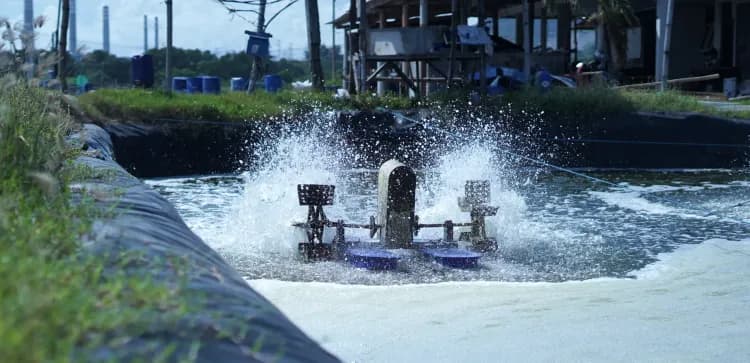
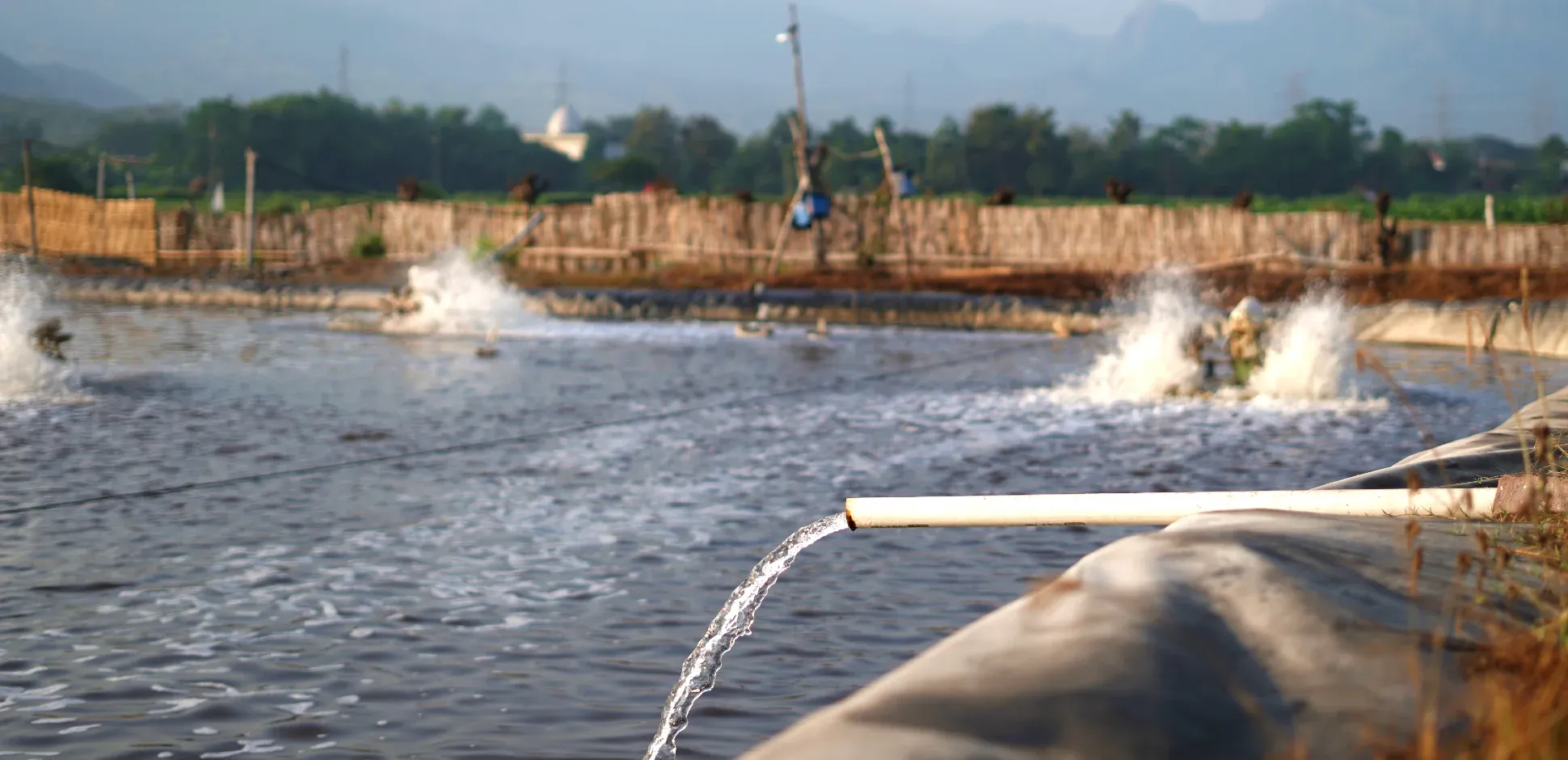
Disease remains one of the biggest challenges in shrimp cultivation, reducing productivity and causing significant financial losses. Biosecurity is a preventive approach designed to eliminate and prevent the introduction and spread of pathogens, including viruses, bacteria, and parasites throughout every stage of the cultivation cycle.
When implemented consistently, biosecurity provides several key benefits for farmers:
- Reduces the risk of disease spreading between ponds, production cycles, and the surrounding environment.
- Enables earlier detection of shrimp health issues, helping minimize potential losses.
- Improves operational efficiency by reducing unnecessary labor, feed waste, and production time.
- Produces healthier shrimp with higher market value and better competitiveness.
Contents
Related ArticlesBiosecurity Guidelines and SOPs
An effective biosecurity program focuses on three main components: shrimp, pathogens, and people. Below are the essential operational practices that should be implemented on farms.
1. Pond preparation and water treatment
- Pond sterilization: Dry the pond bottom and disinfect the pond thoroughly before starting a new production cycle.
- Incoming water treatment: Filter and disinfect seawater or groundwater before it enters the culture ponds to reduce the risk of pathogen introduction.
- Post-harvest decontamination: Disinfect both the pond and remaining water for at least seven days before preparing for the next production cycle.
2. Post larvae and feed management
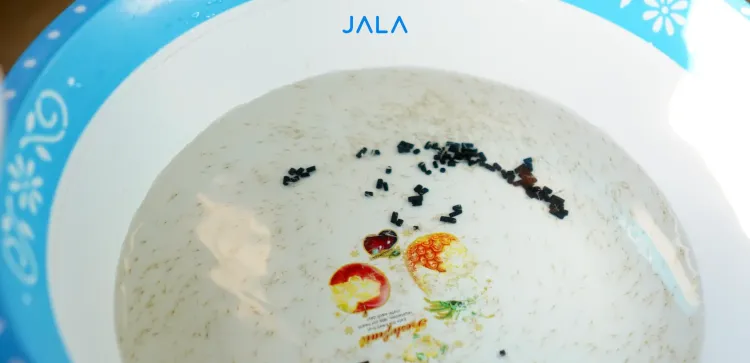
- Disease-free post larvae: Stock ponds with certified Specific Pathogen Free (SPF) or Specific Pathogen Resistant (SPR) post larvae to reduce disease risks from the beginning of the cycle.
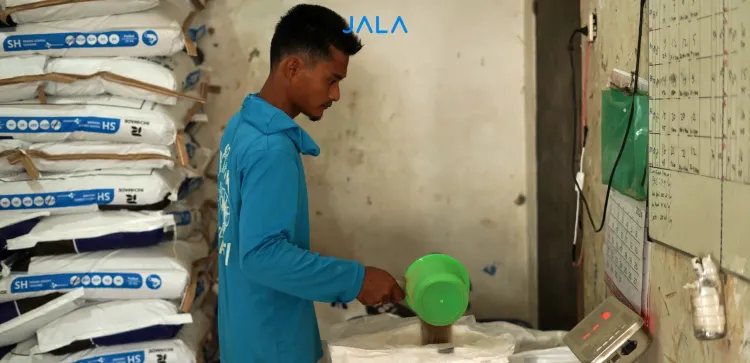
- High quality feed: Use commercially manufactured pellet feed that meets nutritional and hygiene standards, and avoid fresh feed that may carry pathogens.
Login to Read the Full Article
Use your Jala account to read this article. If you don't have an account, please register on Jala App.