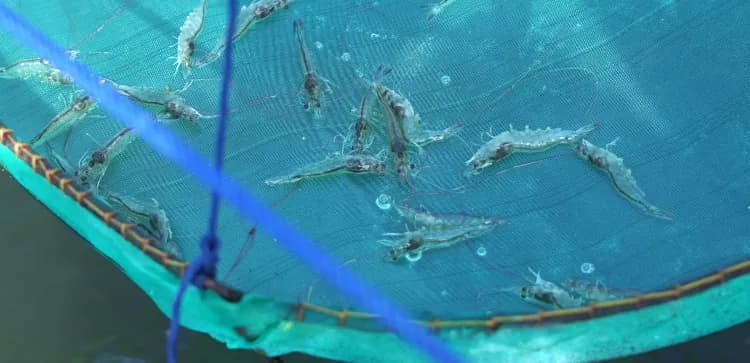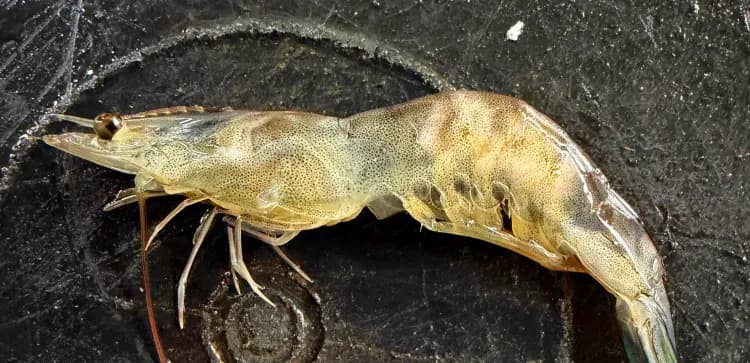
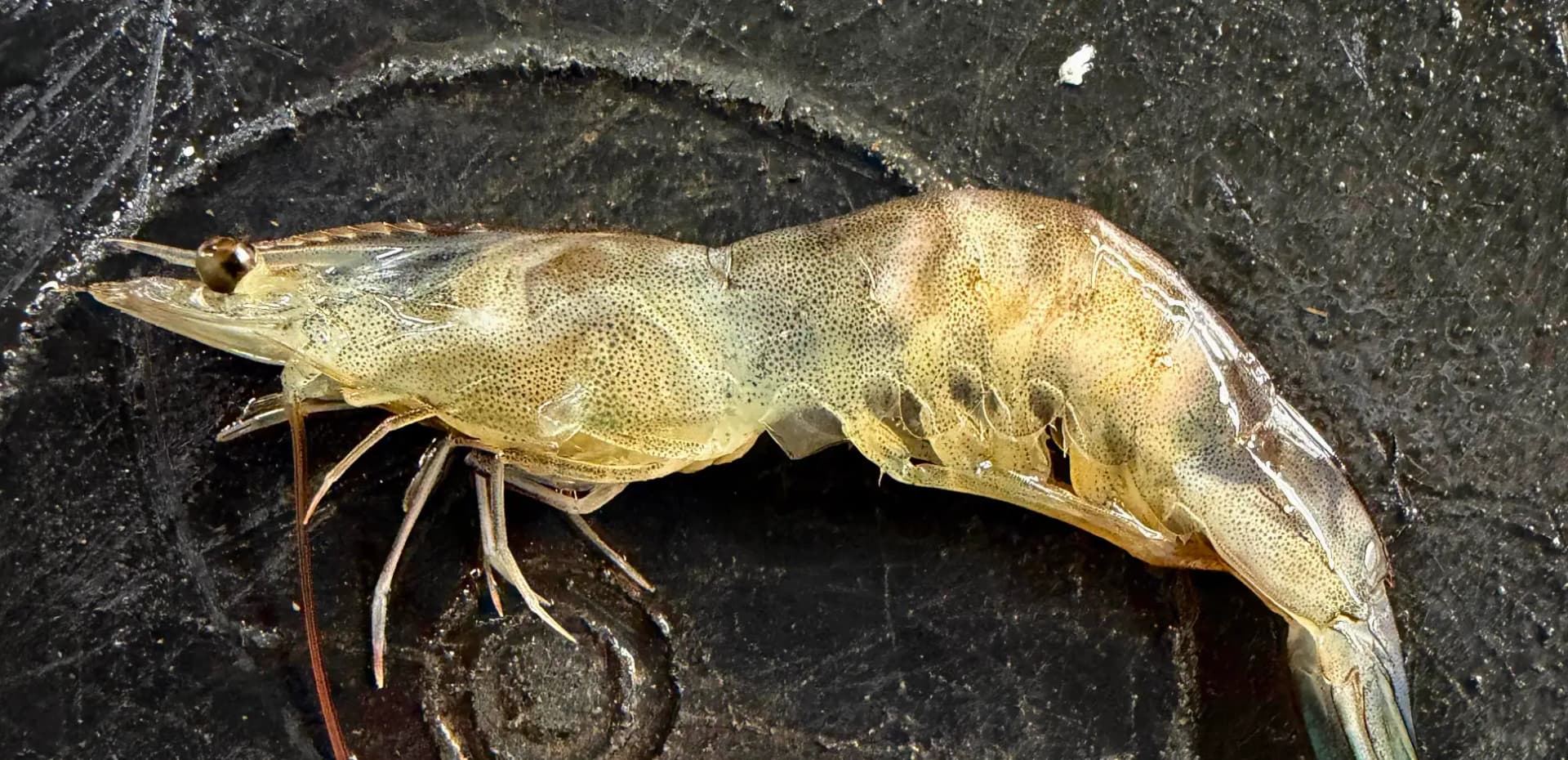
Shrimp is one of the most valuable aquaculture commodities. Cultivation activities continue to expand across many regions in Indonesia. However, increasing cultivation intensity also raises the risk of disease outbreaks. Common diseases that affect shrimp include AHPND, EHP, WSSV, and IMNV. Early disease detection plays a crucial role in preventing the spread of infections within ponds. Farmers can conduct testing before stocking post larvae and perform routine checks as part of regular monitoring practices.
One of the most widely used methods for detecting shrimp diseases is Polymerase Chain Reaction (PCR). This method works by amplifying DNA templates repeatedly. PCR can identify the genetic material of viruses with high specificity, resulting in highly accurate detection. The following are several types of PCR commonly used in shrimp farming.
Types of PCR for Shrimp Disease Detection
1. Conventional PCR
Conventional PCR functions as a qualitative detection method. This method presents results through an electrophoresis process, indicating whether a pathogen is present (positive) or absent (negative). The process includes DNA extraction, amplification, and electrophoresis. Electrophoresis distinguishes conventional PCR from other PCR methods. Farmers commonly use this method because it provides reliable results at a relatively lower cost compared to portable PCR kits.
2. Real-time PCR (qPCR)
Real-time PCR allows both detection and quantification of viral DNA in a sample. In addition to identifying the presence of a virus, this method measures its concentration. The working principle is similar to conventional PCR in terms of DNA synthesis. However, real-time PCR eliminates the need for electrophoresis, which shortens the testing time. A fluorescence-based system enables real-time monitoring of DNA amplification. This method is known for being fast, accurate, and informative in assessing infection levels.