Shrimp consumption continues to increase year after year, yet production at farm level has not fully kept pace with market demand. Shrimp farmers still face various challenges, including slow growth rates, disease outbreaks, and suboptimal water quality. One key factor often underlying these issues is feed management that has not been implemented optimally.
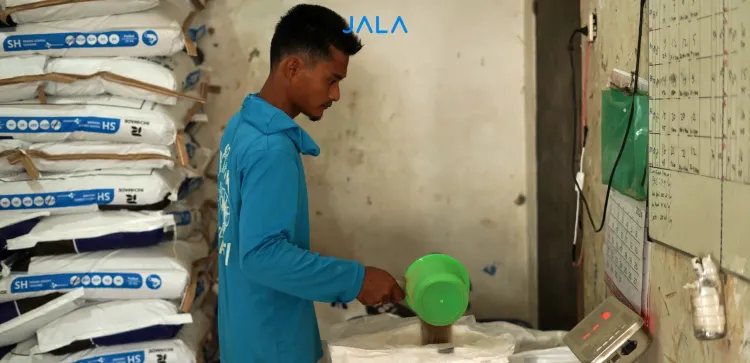
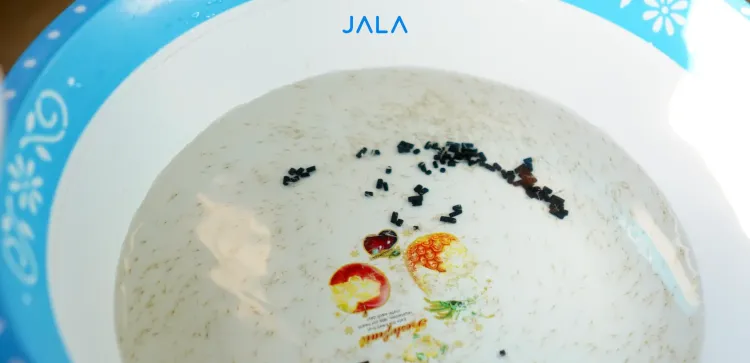
In semi intensive to super intensive farming systems, feed is the most critical component and also represents the largest production cost. Without proper feed management, both in terms of feed quality and feeding programs for shrimp growth potential cannot be achieved optimally.
Digitalizing Feed Management
Effective feed management ensures that feed quantity, timing, and quality match shrimp requirements at each growth stage. A well designed feeding program helps improve growth performance, reduce Feed Conversion Ratio (FCR), and minimize feed waste that can deteriorate water quality. With efficient feed management, farmers can achieve more stable farming performance while unlocking greater profit opportunities.
As technology continues to evolve, the shrimp farming sector has begun adopting digital systems to improve accuracy and simplify farm management. One such innovation is the computerized feed management program offered by the JALA App.
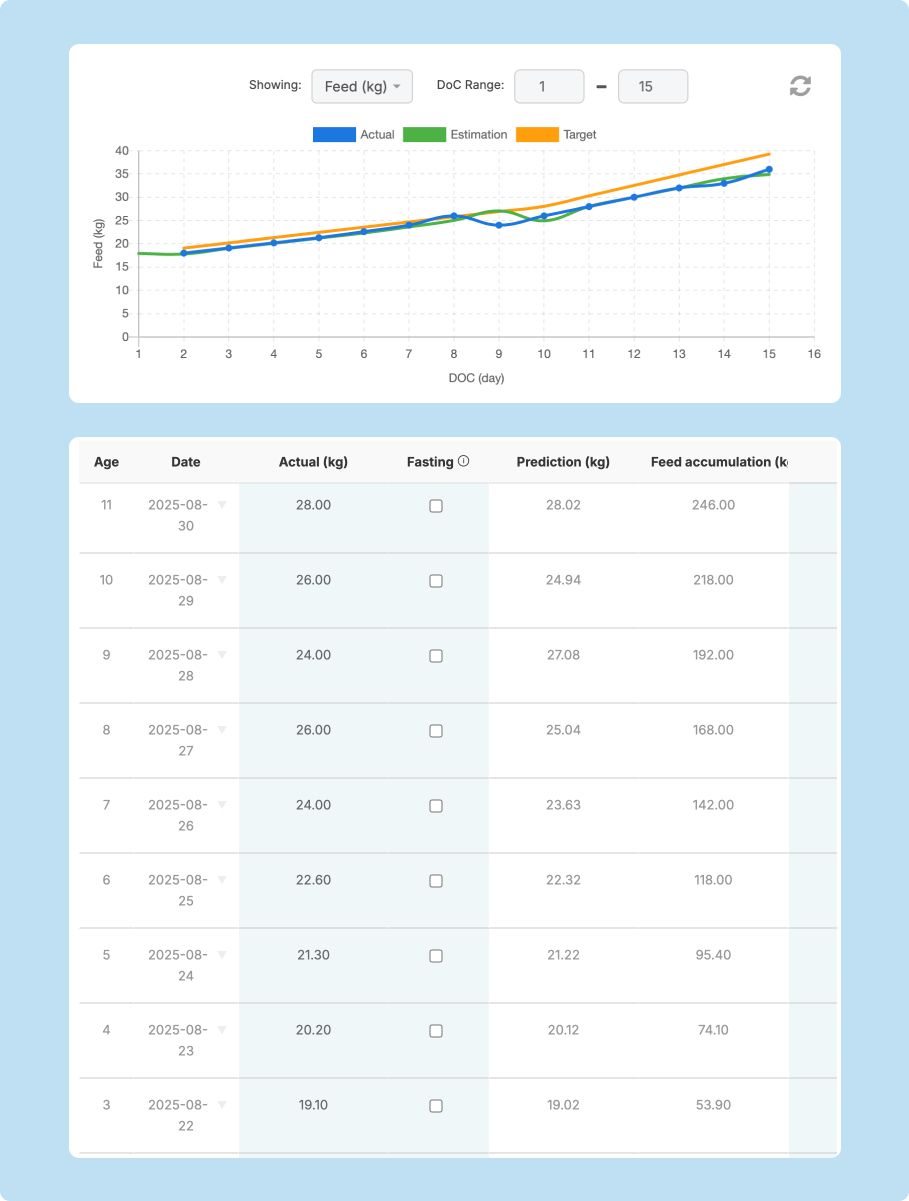
Accurate feed programs rely on precise data. Through digital systems, feed calculations can be performed more accurately and consistently than conventional methods. In addition, all farming data is stored securely, neatly organized, and easily accessible at any time, without the risk of loss or damage commonly associated with manual record keeping.
From Field Data to Better Decisions
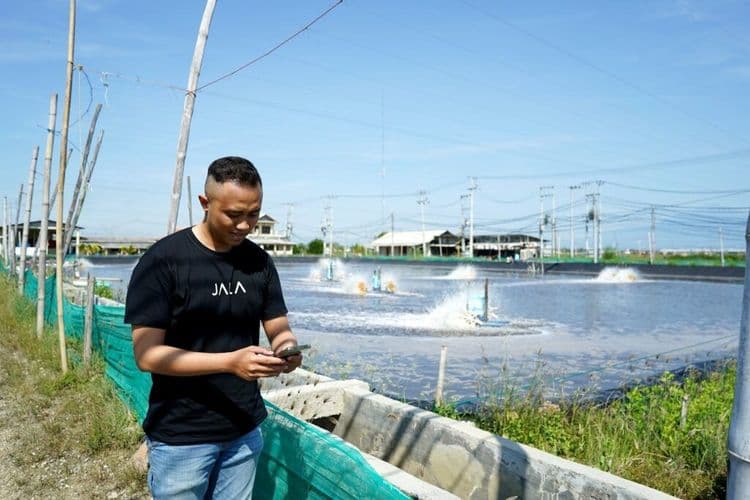
Powered by Internet of Things (IoT) technology, JALA App enables integrated digitalization of shrimp farming data. Data is input in real-time by field technicians, allowing farm owners to monitor pond performance directly through their smartphones. This digital approach makes it easier to track daily feed usage, estimate feed requirements for the following days, and predict shrimp population and growth in each pond. Water quality monitoring is also integrated into the system, enabling farmers to make faster and more informed decisions.
With the support of digital technology, feed becomes easier to control, positively impacting water quality, supporting optimal shrimp growth, and improving cost efficiency. Ultimately, efficient feed management serves as a practical strategy to bring shrimp farms closer to sustainable and long-term profitability.