Have you noticed shrimp growth slowing down, water quality becoming harder to manage, or farm performance plateauing despite following established management practices? These challenges may indicate that your pond's carrying capacity is starting to decline. In shrimp cultivation, carrying capacity is influenced by a range of environmental factors, including the quality of incoming water and how farm effluent is managed. As production intensifies, maintaining a healthy carrying capacity becomes increasingly important for sustaining pond performance and long-term productivity.
What Is Carrying Capacity?
Carrying capacity (CC) refers to the maximum level of biological activity an environment can support while maintaining stable conditions. In aquaculture, it reflects the ability of a water body to provide suitable conditions for cultured organisms to grow and thrive over time. For shrimp ponds, carrying capacity is shaped by factors such as water quality, feed inputs, aeration capacity, and stocking density. As biomass and production demands increase, the pond's ability to process waste and maintain water quality is put under greater pressure.
What Happens When a Pond Reaches Its Carrying Capacity?
Every pond has a limit to the amount of biological and environmental load it can handle during a production cycle. As that limit is approached, several signs may begin to emerge:
- Shrimp growth, measured as Average Daily Growth (ADG) begins to slow down.
- Water quality becomes less stable, especially dissolved oxygen (DO) levels.
- Organic matter accumulates at the pond bottom.
- Water quality management becomes increasingly demanding.
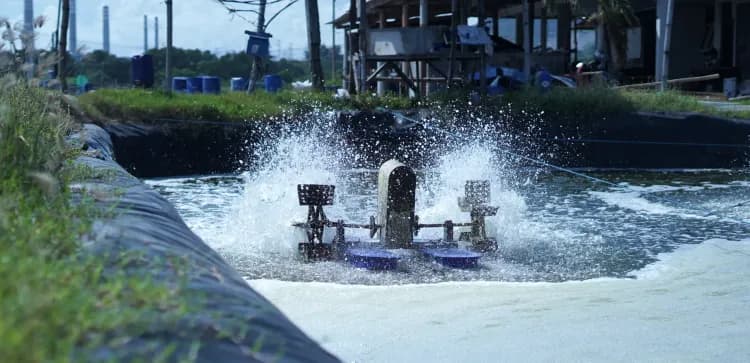
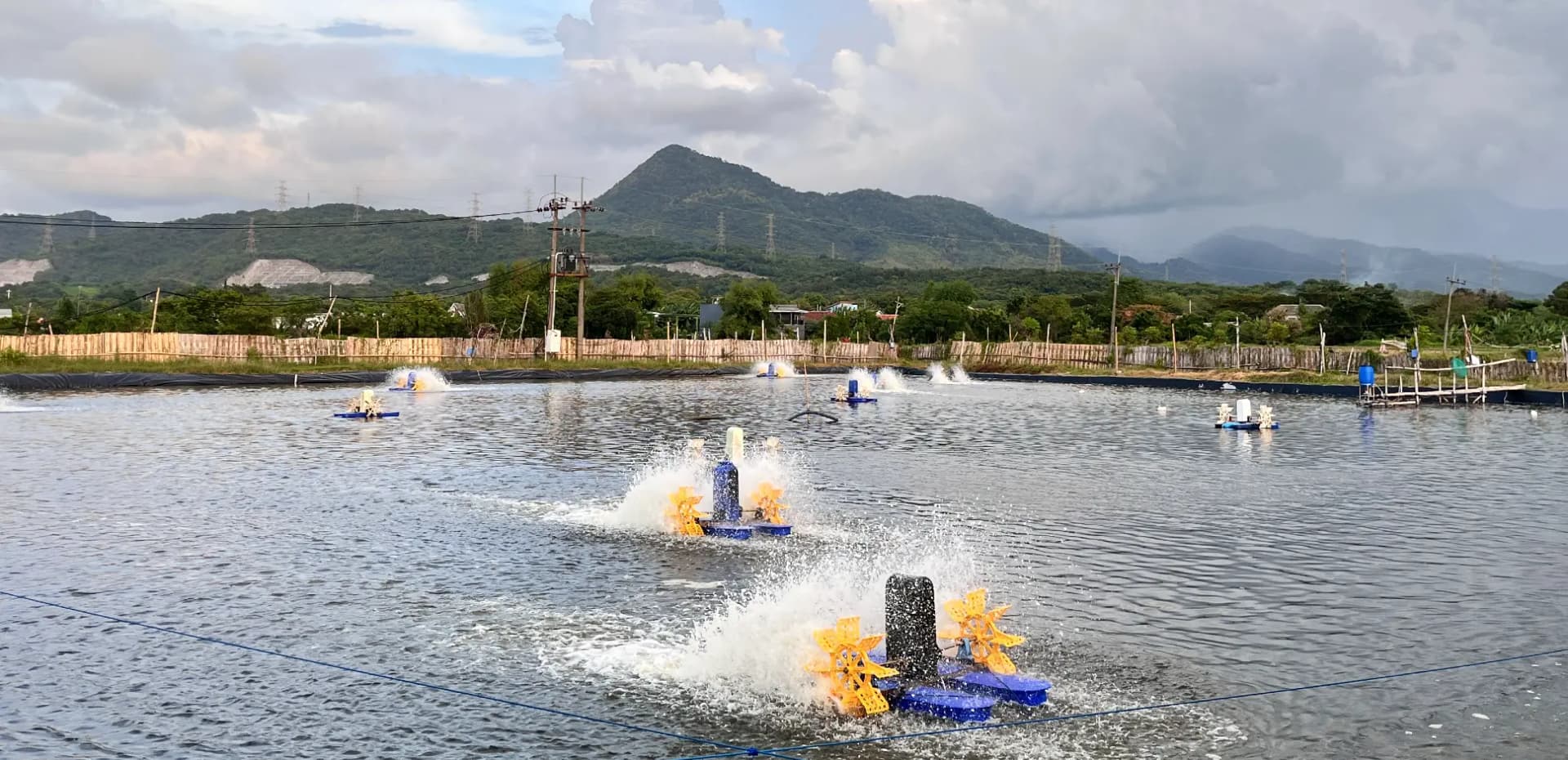
As the culture period progresses, uneaten feed, feces, and other organic materials continue to accumulate. This buildup can create favorable conditions for pathogenic bacteria, increasing the risk of disease outbreaks. Organic sediment accumulation can also affect water quality stability. Activities such as paddlewheel operation, siphoning, sampling, partial harvesting, and other disturbances may trigger upwelling, where bottom sediments are resuspended into the water column. This process can reduce DO levels and release toxic compounds such as ammonia and hydrogen sulfide (H₂S) that were previously trapped in the pond bottom.