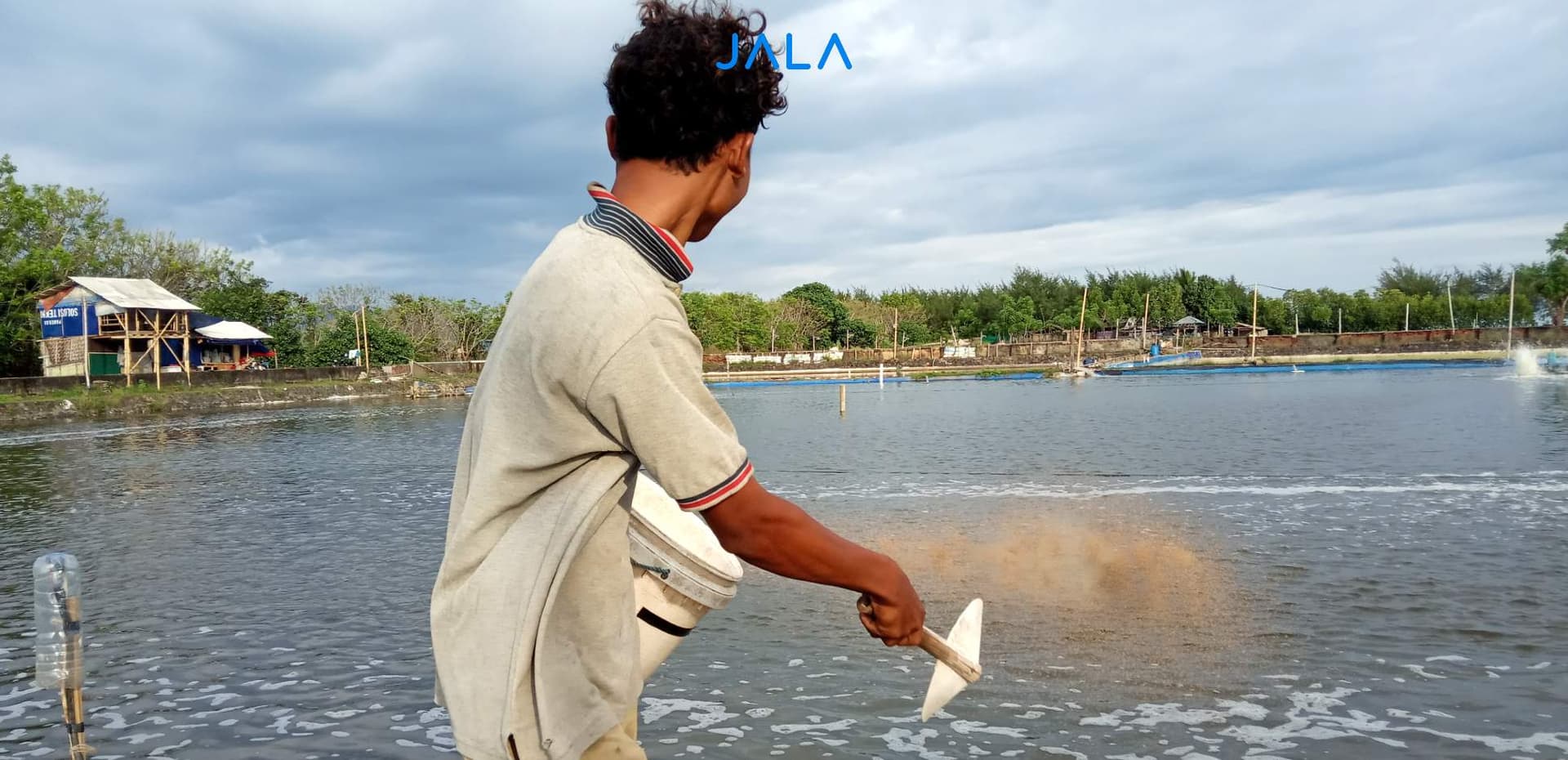
Feed is the most critical component in shrimp cultivation, accounting for the largest share of operational expenses around 50-70% of the total cost per cycle. Unfortunately, farmers have recently been hit hard by skyrocketing feed prices. This surge is driven by the weakening of the Rupiah against the US Dollar, which directly inflates the cost of importing key raw ingredients like fishmeal and soybean meal. In this volatile economic climate, farmers must find smart ways to maintain efficiency without sacrificing pond productivity.
So, what strategic steps can farmers take to navigate today's rising feed costs? Here are several mitigation measures you can implement.
1. Improve Feed Efficiency and Feeding Management
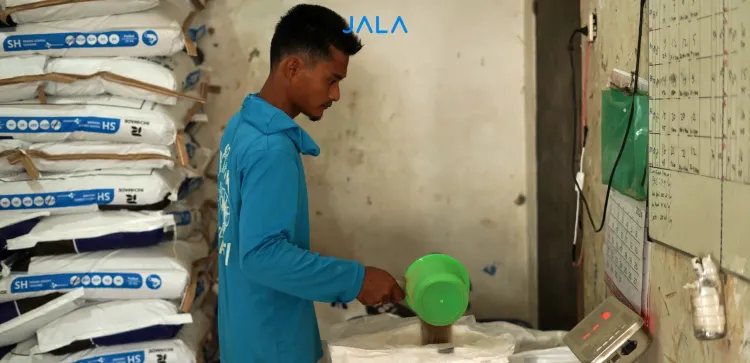
When facing high feed prices, farmers must ensure that no feed goes to waste. Optimal feed efficiency is achieved when all distributed feed is fully consumed and digested by the shrimp to maximize their growth.
To achieve this, feed inputs must align with the shrimp's eating capacity and the pond's carrying capacity. Feeding should be distributed evenly throughout the day, taking the shrimp’s digestive interval into account. Biologically, shrimp require 48-90 minutes to digest food and another 4-6 hours for it to pass through the digestive tract as feces. Understanding this rhythm helps farmers adjust feeding frequency accurately, preventing organic waste from accumulating at the bottom of the pond.
2. Optimize Feeding Trays and Monitor FCR
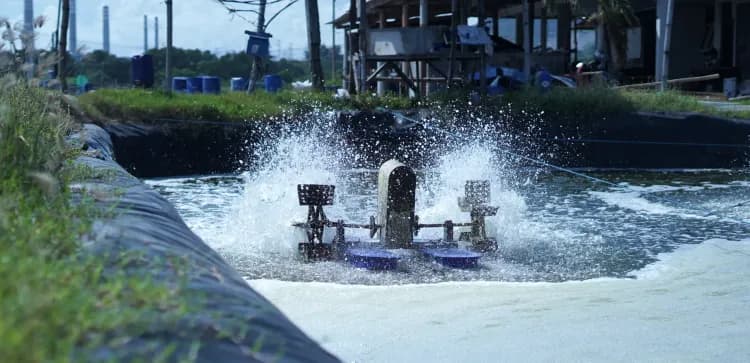
Amid economic pressure from the depreciating Rupiah, switching to cheaper feed brands might seem like an attractive shortcut to cut costs. However, compromising on feed quality poses a greater risk of financial loss. Low quality feed often has poor palatability, meaning shrimp won't finish it, leaving it to decompose into harmful ammonia that poisons the pond.
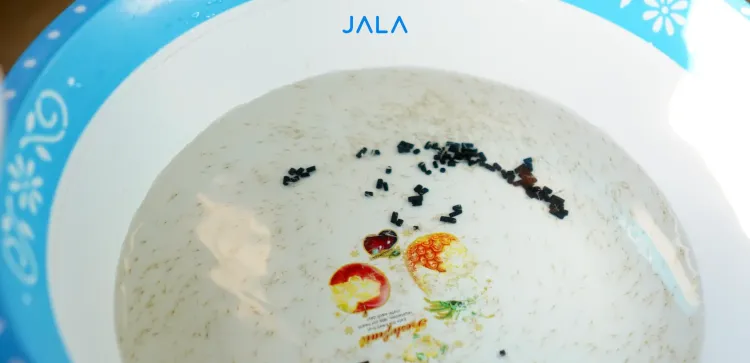
Physically, choose feed that has uniform size and color, a smooth texture, is dry, and does not clump together. Nutritionally, feed with a protein content of 30-35% is generally ideal for meeting the metabolic needs of shrimp. Maintaining this nutritional quality ensures the shrimp's immune system stays strong, minimizing the risk of crop failure due to disease outbreaks.
Read also: Daily Feed Evaluation and Feed Management with Feeding Trays
3. Keep Routine Records for Accurate Monitoring
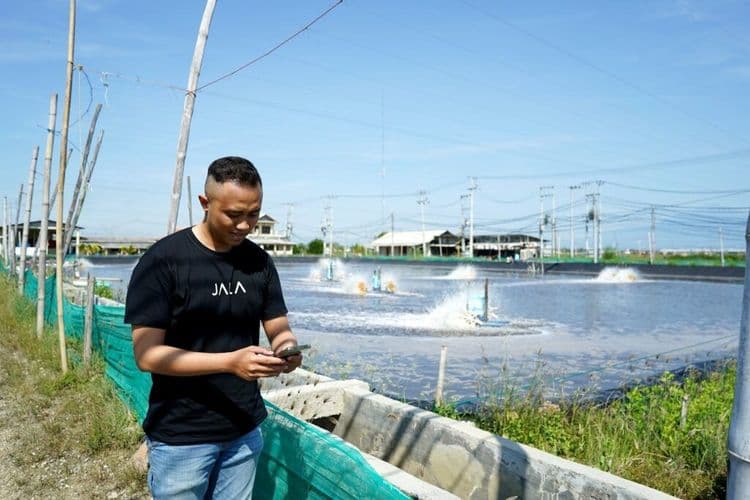
Relying on guesswork for feed management during tough times is highly risky. Regularly recording every feed input, shrimp growth progress, and water quality parameters is crucial to building an accurate historical data log. To make record keeping more practical and safe from being damaged or lost, farmers can utilize JALA App. Through well-organized historical data, monitoring feed efficiency and evaluating pond performance can be done in a highly measurable way.
Conclusion
While rising feed costs driven by global economic factors are inevitable, their impact on pond profitability can still be mitigated. By combining disciplined feeding management, strict control through feed trays, maintaining nutritional quality, and leveraging accurate data logging, farmers can minimize feed waste. Ultimately, measurable efficiency does more than just protect the pond budget from swelling, it ensures the long-term sustainability of shrimp cultivation productivity.