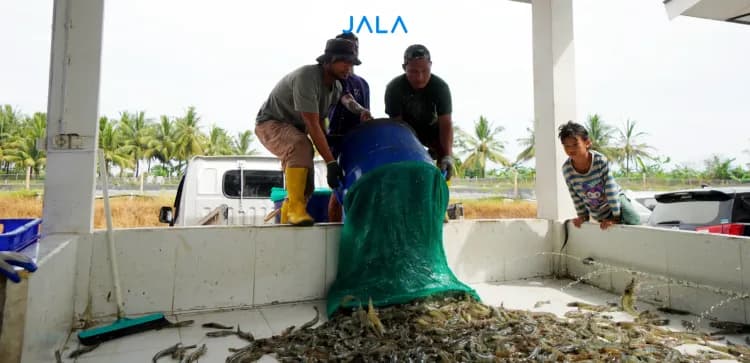
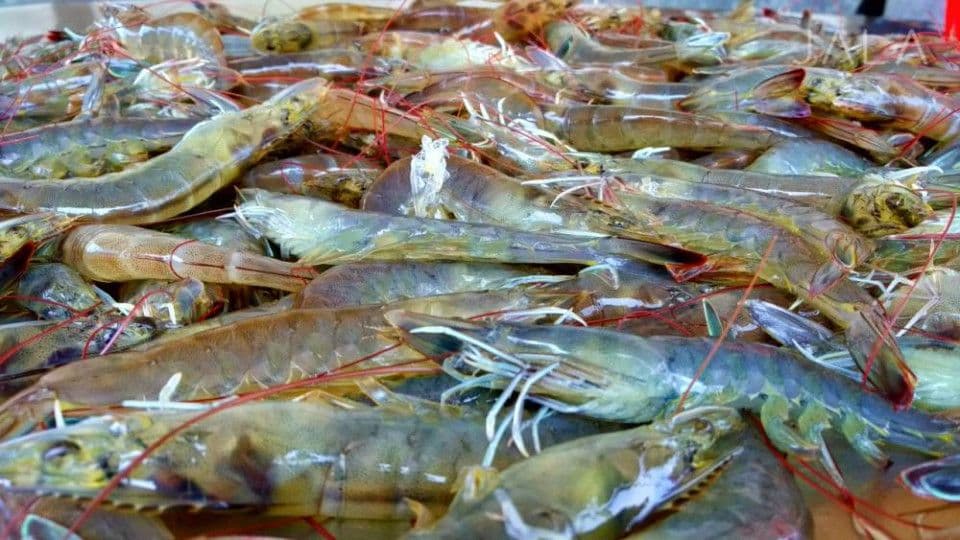
Shrimp continues to be Indonesia's most valuable fisheries export. According to Indonesia's Ministry of Marine Affairs and Fisheries (KKP), shrimp contributes the largest share of the country's seafood exports, generating approximately USD 1.63 billion annually. Given its significant contribution to export revenue, shifts in the global shrimp market can have a direct impact on Indonesia's fisheries industry.
So, which countries have become the main destinations for Indonesian shrimp exports in 2026? Here's an overview of Indonesia's key export markets.
United States: Main Market Under Pressure
The United States remains Indonesia's largest export destination for shrimp, absorbing the majority of the country's shipments. However, during the first half of 2026, this key market experienced significant commercial pressure. In May 2026, Indonesia exported only 8,178 tons of shrimp to US, representing a sharp -44% YoY decline.
From January to May 2026, cumulative exports reached 46,660 tons, down -23% compared to the same period last year. Despite the decline caused by intense global competition, the US continues to account for more than half of Indonesia's total shrimp exports, making it the country's most important export market.
Japan: A Stable and Loyal Trading Partner
Japan remains Indonesia's second largest shrimp export destination and continues to be a reliable market, particularly for value added shrimp products. Unlike the US market, Japan's demand has remained relatively stable. In May 2026, Japan imported 2,692 tons of shrimp from Indonesia, recording only a modest -4% YoY decline.
During January-May 2026 period, Indonesia shipped 11,981 tons of shrimp to Japan, a -10% decline compared with the same period last year. The consistent demand highlights Japan's role as one of Indonesia's most dependable shrimp trading partners.
European Union: A Premium Market with Strict Standards
The European Union remains one of the most challenging export destinations for Indonesian shrimp, with export performance continuing to weaken throughout 2026. In May 2026, Indonesia exported only 483 tons of shrimp to the EU, marking a steep -46% YoY decline.

Cumulative exports during the first five months of 2026 totaled just 2,462 tons, down -40% from the previous year. One of the biggest challenges in this market is its stringent food safety regulations. Exporters must comply with complex international certification requirements and meet strict antibiotic residue limits before shrimp products are allowed to enter the European market.
China: A Fast-Growing Opportunity
While Western markets have slowed, China has emerged as one of the fastest-growing destinations for Indonesian shrimp and has helped support the country's export performance in 2026. In May 2026, shrimp exports to China surged +63% year over year, reaching 2,633 tons, nearly matching Japan's import volume for the same month.
The positive momentum continued throughout the January-May period, with cumulative exports climbing to 6,826 tons, a remarkable +53% increase compared to last year. China's growing appeal is driven by its relatively flexible import requirements. Compared with the European Union, the Chinese market imposes less stringent certification requirements and accepts a wider range of shrimp counts (20-100), making it an increasingly attractive export destination.
Read more: Spotlight on Indonesia’s Top Shrimp Producing Region: West Nusa Tenggara
Conclusion
Despite remaining Indonesia's leading seafood export with an annual value of USD 1.63 billion, shrimp exports faced considerable challenges during the first half of 2026. Shipments declined significantly to key markets such as the US and the EU, while exports to Japan recorded a modest decrease. Nevertheless, these losses were partially offset by strong growth in exports to China, which increased by +53%.
The export slowdown across several major markets serves as an important reminder for Indonesia's shrimp industry. Long-term export competitiveness depends not only on international demand but also on the strength of domestic shrimp farming. Key priorities include improving disease management, ensuring the availability of high-quality shrimp seed, increasing production efficiency to maintain competitive pricing, and implementing sustainable farm management practices.
To gain deeper insights into global shrimp market trends and Indonesia's aquaculture performance, download JALA's Shrimp Outlook 2026 Report, available free of charge.
References: