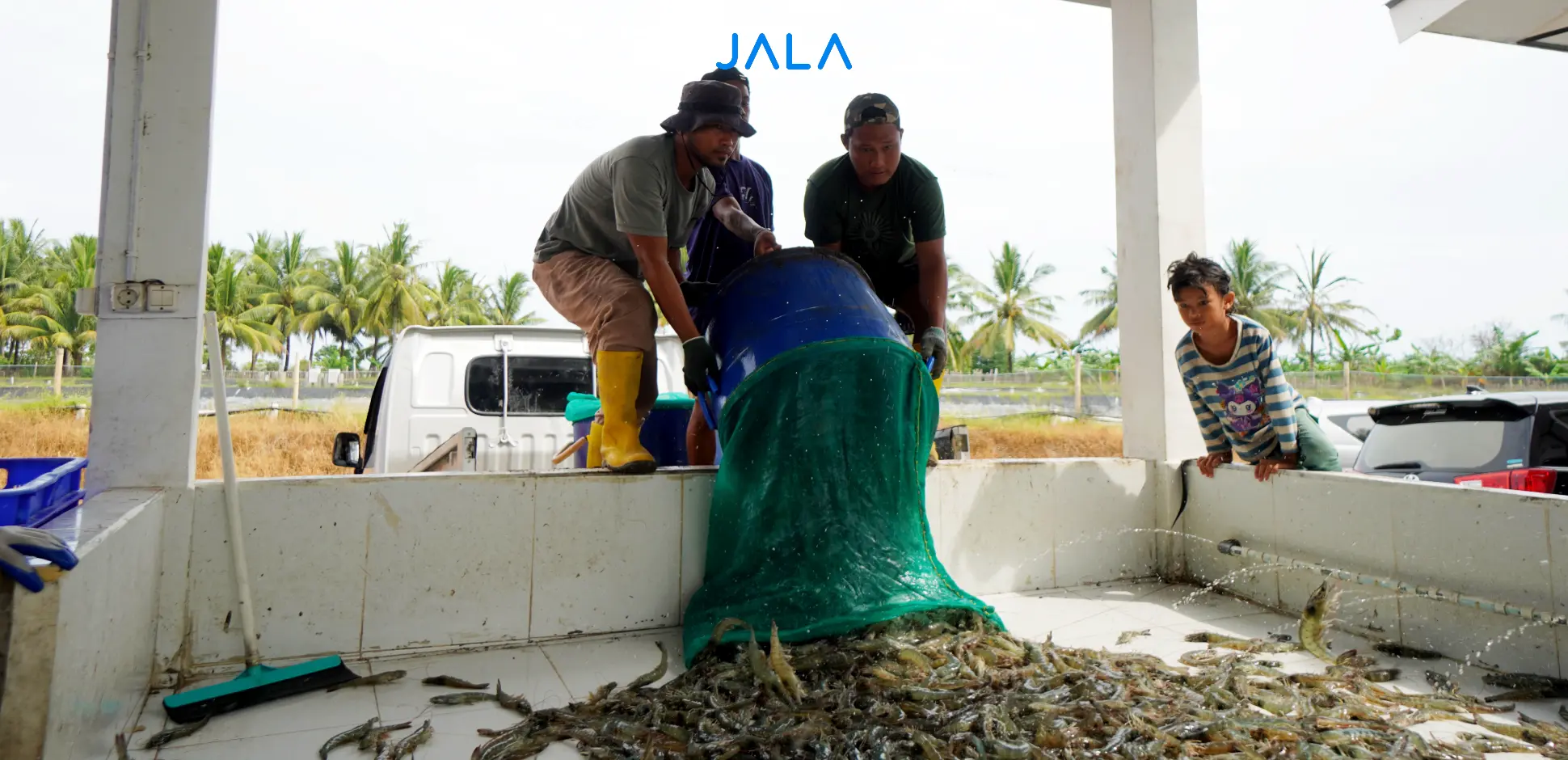
Shrimp prices are one of the most closely watched factors in the aquaculture industry. Price movements can influence farmers’ decisions, from stocking schedules and cultivation strategies to determining the right harvest timing. Like other food commodities, shrimp prices are largely driven by the balance between supply and demand.
However, current conditions in the shrimp industry show that price fluctuations are no longer influenced solely by export markets. Production performance at the farm level, rising operational costs, and global supply chain conditions also play significant roles in shaping shrimp prices.
Factors Affecting Shrimp Prices
Shrimp price fluctuations are influenced by multiple interconnected factors that impact both farm gate prices and export market conditions
1. Cultivation production costs
Production costs remain one of the biggest factors affecting shrimp prices. When operational expenses increase, farmers need higher selling prices to maintain profitability. In recent months, production cost pressures have become more significant, especially as rising global oil prices and geopolitical conflicts continue to affect imported aquaculture materials and inputs.
Several price increases recorded in April that affected the shrimp industry include:
- Feed prices increased by ~1.75%.
- Post larvae prices rose by 4.21%.
- Chemicals increased by 8–15% (some even exceeding 50%).
- Pond liners surged up to 90%.
- Diesel prices jumped by 66.2%.
2. Farm production and supply availability
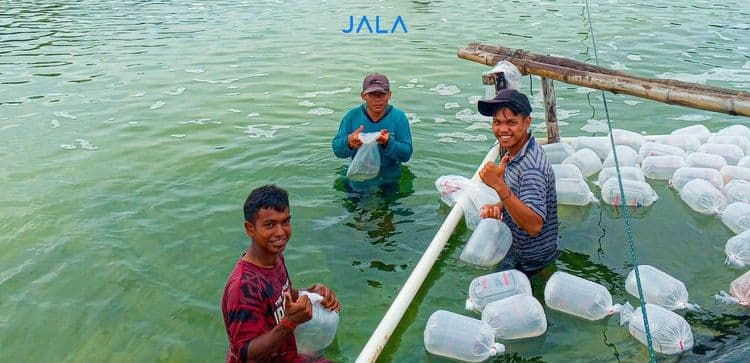
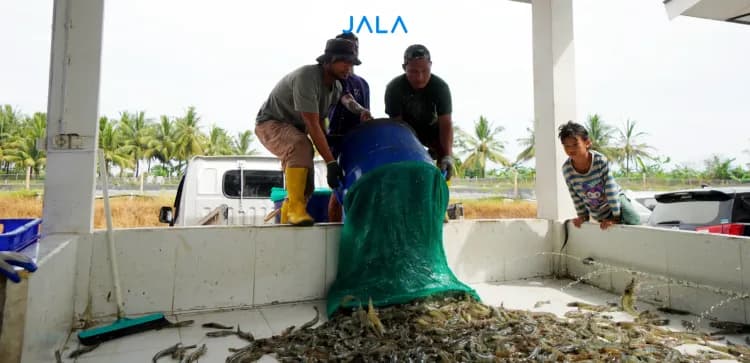
Shrimp production levels directly affect market supply availability. When production declines, shrimp supply becomes more limited, which often leads to higher prices. Currently, Indonesia’s shrimp industry is still in a post-Ramadan recovery phase. Although stocking activities have gradually resumed since late March, the recovery has been slower than expected.
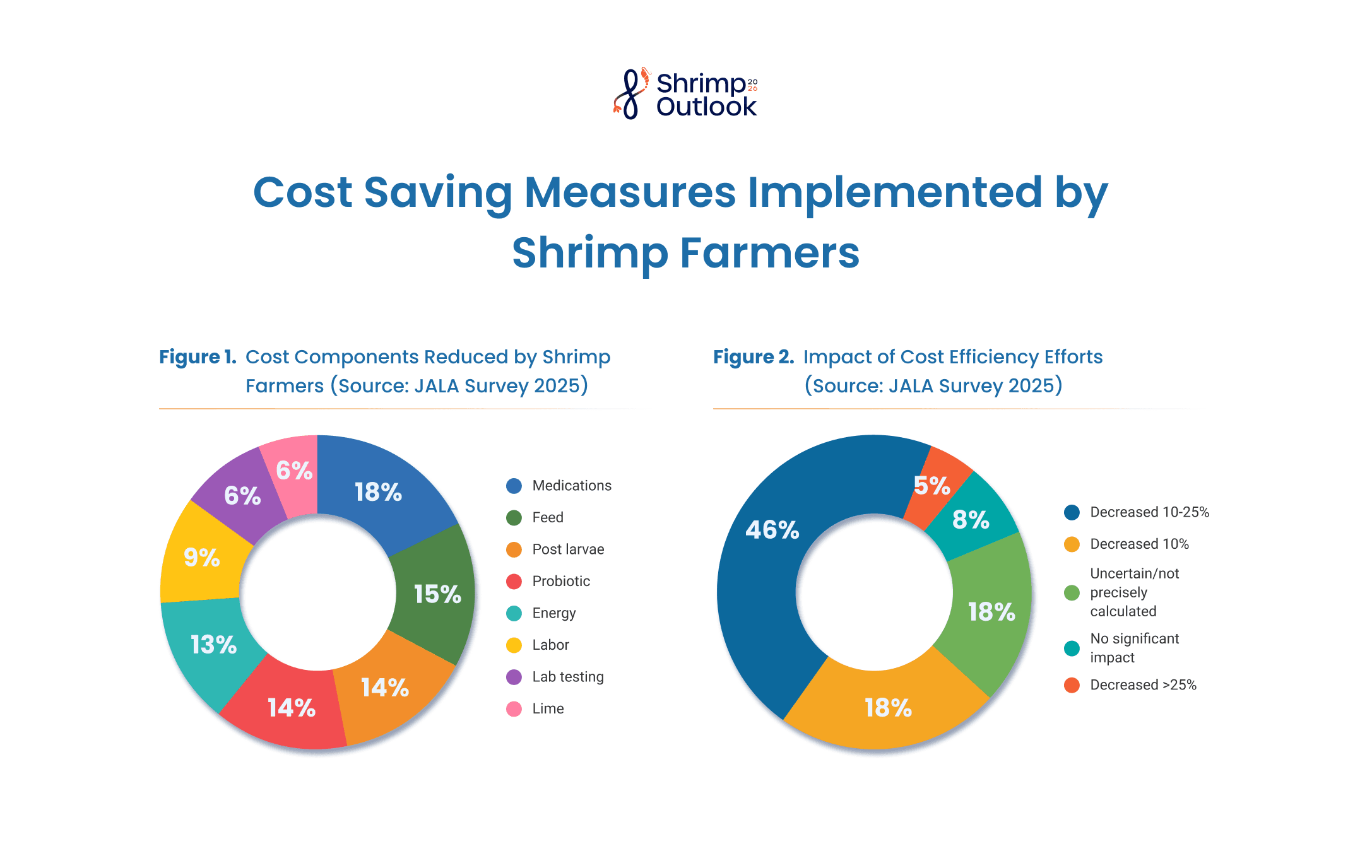
Some of the contributing factors include farmers remaining cautious after shrimp prices weakened in late 2025, many still delaying their next farming cycles, and some farms reducing stocking densities to minimize risks. As a result, Indonesia’s shrimp production has not yet fully recovered, while raw material availability in the market remains limited.
The Impact of Shrimp Price Fluctuations on the Industry
1. Reduced processing plant capacity
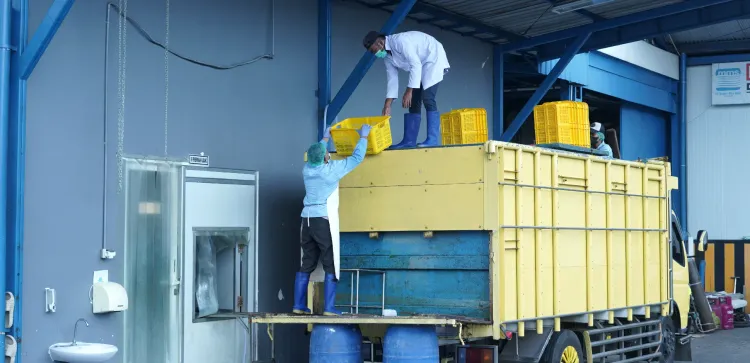
Limited shrimp supply from farms has made it difficult for many Indonesian processing plants to secure enough raw materials. Several large scale processing facilities have reportedly reduced their production capacity by up to 40%. This decline is mainly caused by raw material shortages and increasing operational costs in the processing sector, which ultimately affects export volumes and overall processing activities.
2. Pricing pressure from India
Indonesia is also facing stronger competition from India, which is currently entering its peak harvest season. Higher production volumes allow Indian exporters to offer more competitive prices in global markets, especially in price sensitive destinations such as United States and China. Without improvements in production efficiency and product quality, Indonesia’s shrimp industry may face declining competitiveness in the short term.
The Importance of Monitoring Shrimp Price Movements
Shrimp price fluctuations make it increasingly important for farmers to closely monitor market movements in order to determine the right harvest timing and adjust cultivation strategies accordingly. Access to updated price information can also help farmers evaluate harvest size targets and estimate potential profit margins more accurately. To monitor the latest shrimp prices from various regions, farmers can access updates directly through JALA App.
Conclusion
Shrimp price fluctuations are influenced by many interconnected factors, ranging from production costs and supply availability to global market competition. Current industry conditions also show that price changes affect the entire shrimp supply chain, from farmers to processing companies. Therefore, farmers need to stay adaptive by monitoring market movements and industry conditions to make more effective farming and harvest decisions.