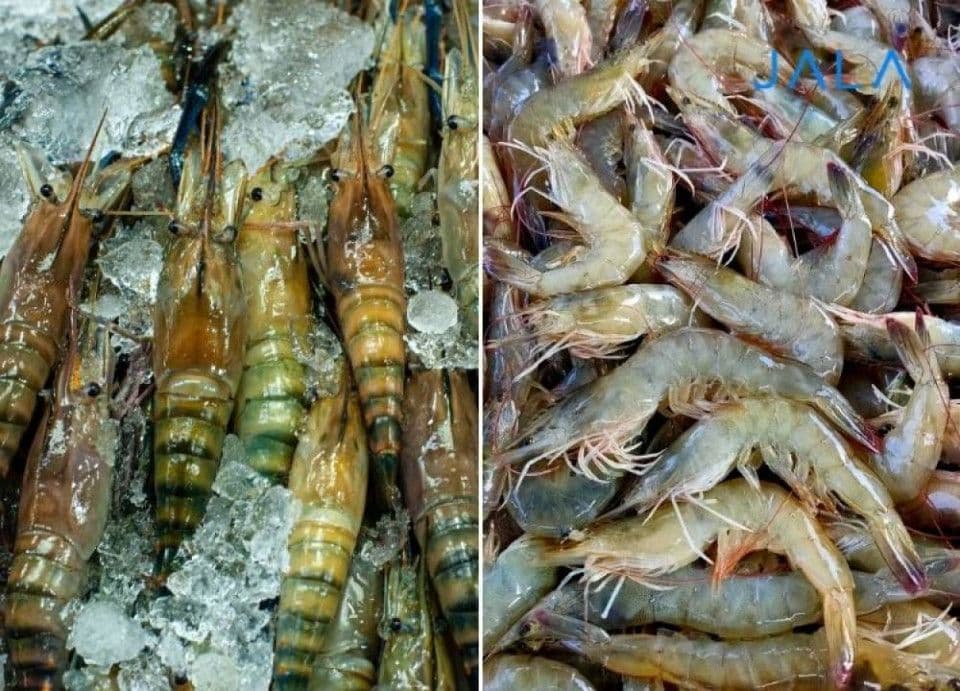
Black tiger shrimp (Penaeus monodon) were once one of Indonesia’s leading aquaculture commodities before their popularity was overtaken by vannamei shrimp (Litopenaeus vannamei). Black tiger shrimp known for their large size and distinctive black and white striped pattern resembling a tiger, black tiger shrimp are commonly referred to as tiger shrimp in the international market. In Indonesia, they are also known by various local names, such as udang pancet, bago, pedet, menjangan, pelaspelas, and baratan. As a species native to the Indo-Pacific region, black tiger shrimp are widely found across Southeast Asian and Australian waters.
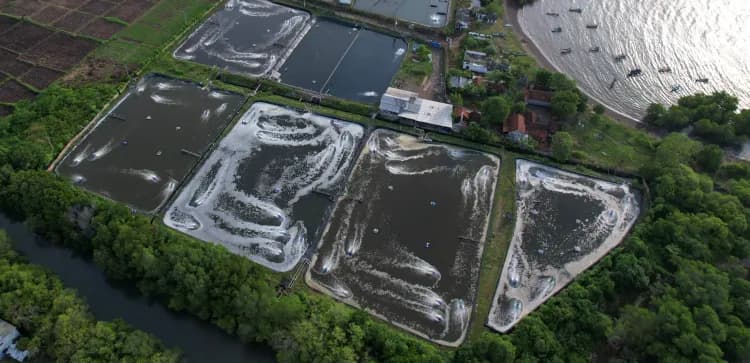
Black tiger shrimp cultivation began to grow rapidly in Indonesia in the 1980s. Production continued to increase throughout the 1990s and helped position Indonesia among the world’s largest exporters of black tiger shrimp. During that period, the species became a key aquaculture commodity due to its large size, high market value, and strong export demand, especially from Japan, United States, and Europe. Many traditional and semi-intensive shrimp farms along Indonesia’s coastal areas depended heavily on this commodity.
However, the rapid growth in production at that time was not fully supported by proper farm management and biosecurity practices. This later became one of the major factors behind the sharp decline in production.
Why Black Tiger Shrimp Were Replaced by Vannamei Shrimp
Disease outbreaks that reduced production
In 1994, black tiger shrimp cultivation faced a major crisis due to outbreaks of White Spot Syndrome Virus (WSSV). The disease spread was worsened by declining water quality, uncontrolled stocking densities, and cultivation systems that lacked proper environmental management. As a result, many farms experienced mass mortality and crop failures.
The impact on farm productivity was significant. Indonesia’s black tiger shrimp production reportedly dropped by as much as 82%, from 13.37 tons/ha/year to only 2.67 tons/ha/year. Many farmers eventually stopped operating due to the high financial risks involved.