West Nusa Tenggara continues to strengthen its position as one of Indonesia’s key shrimp production hubs. In recent years, the province has not only led in production volume, but has also started to play a more significant role in exports and value added industry development. This progress positions West Nusa Tenggara as a strategic region in Indonesia’s evolving shrimp industry landscape.
Shrimp Production in West Nusa Tenggara
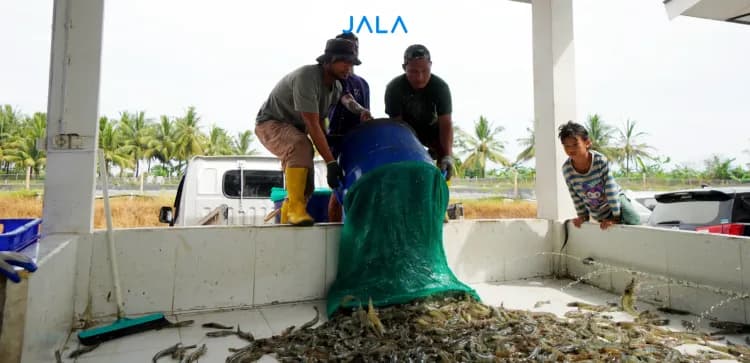
West Nusa Tenggara’s dominance as Indonesia’s top shrimp producer is not a short term trend. According to the latest 2024 data from the Ministry of Marine Affairs and Fisheries Data Portal, West Nusa Tenggara recorded the highest shrimp production in Indonesia at 196,398 tons, followed by East Java with 110,666 tons and West Java with 101,678 tons.
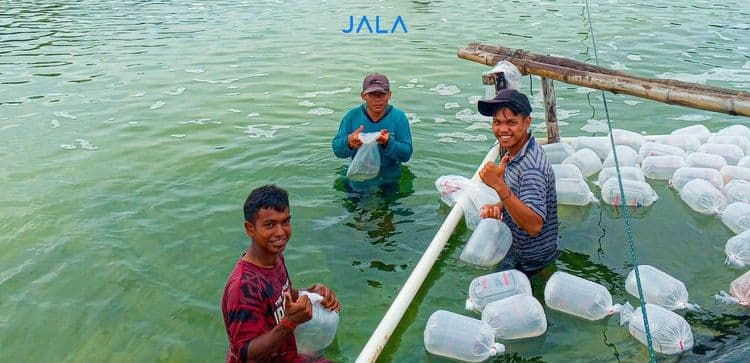
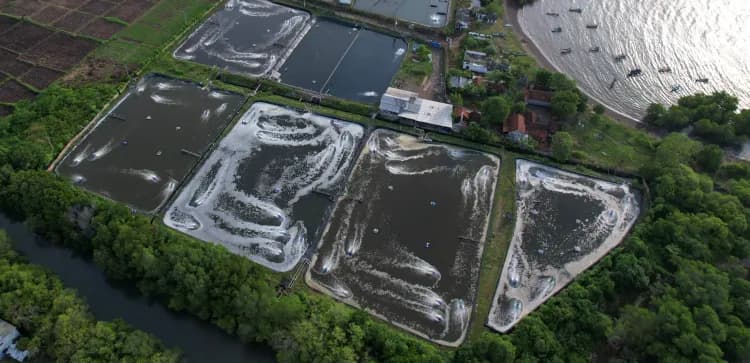
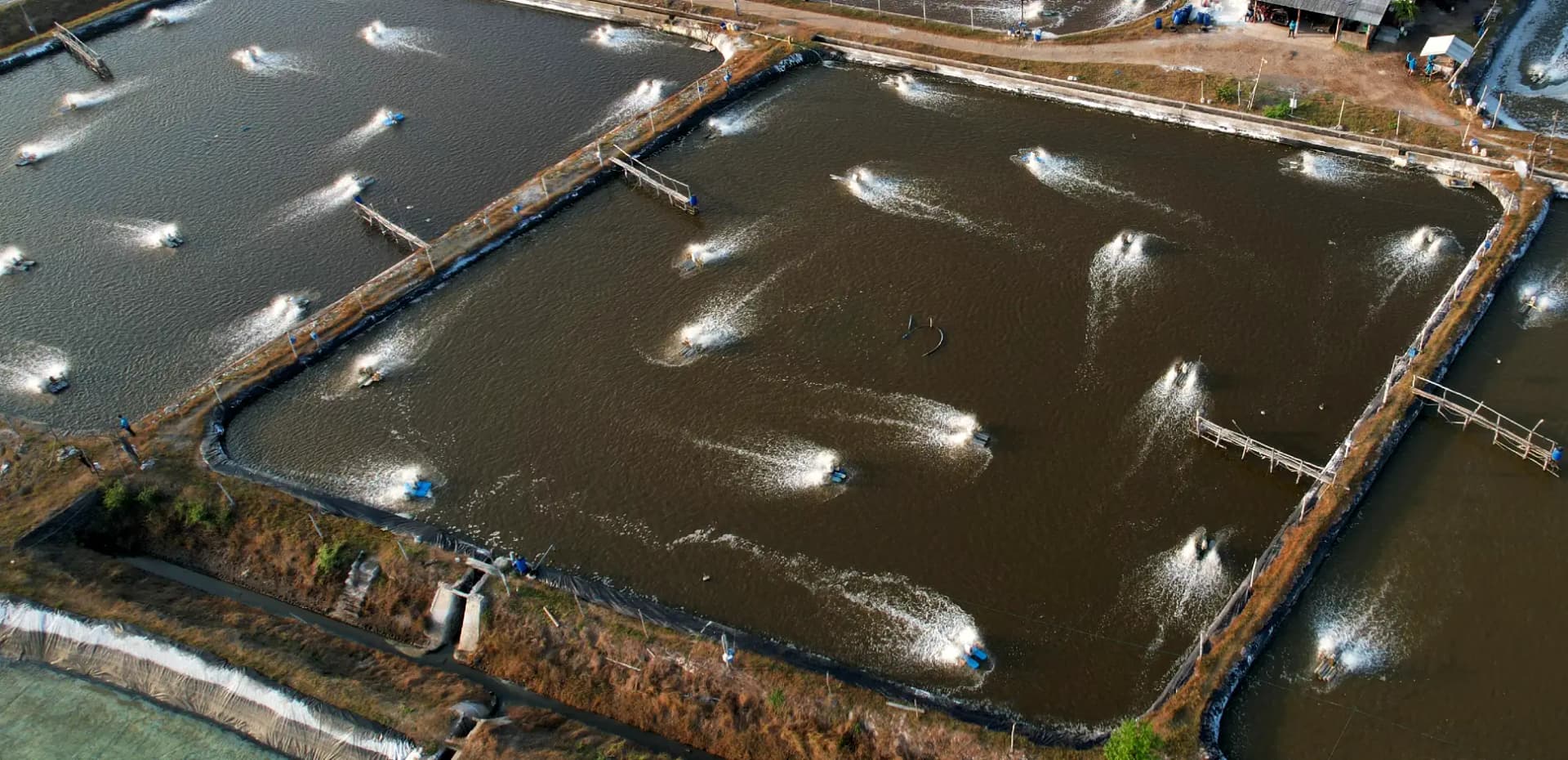
This high output is driven by the rapid adoption of intensive and super-intensive farming systems, particularly for vannamei shrimp, supported by West Nusa Tenggara’s favorable coastal conditions. Areas across Lombok and Sumbawa have become major aquaculture centers, experiencing steady growth in recent years. These factors reinforce West Nusa Tenggara’s role as the backbone of Indonesia’s shrimp production.
Challenges in Managing a Major Shrimp Producing Region
High production, limited value addition
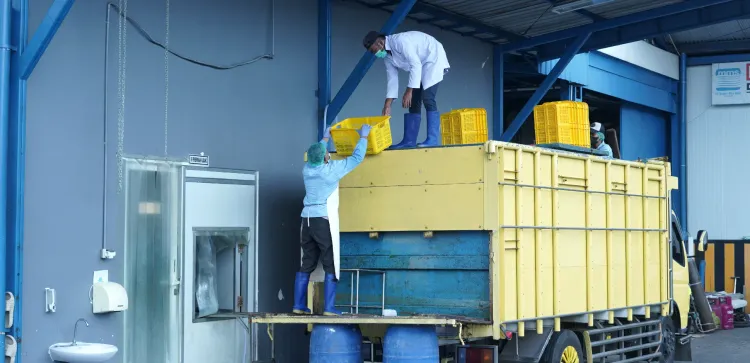
Despite its strong production performance, most shrimp harvested in West Nusa Tenggara is still sold in raw form. This indicates that the local value chain has not been fully developed. A large portion of shrimp from Lombok and Sumbawa is shipped to other regions such as Surabaya and Banyuwangi for further processing before export.
Speaking to Ekbis NTB, H. Muslim, Head of West Nusa Tenggara Marine and Fisheries Agency, shrimp from West Nusa Tenggara is largely purchased by businesses outside the province and processed elsewhere. As a result, much of the economic value from processing is captured by other regions. In other words, West Nusa Tenggara remains strong in upstream production but has yet to fully capitalize on downstream opportunities.
Governance still needs improvement
Shrimp cultivation in West Nusa Tenggara also faces governance challenges. Findings from Indonesia’s Corruption Eradication Commission reveal that only about 10% of shrimp farms have complete environmental permits. In addition, inconsistencies in data across institutions continue to affect effective management.
These issues pose risks ranging from environmental impacts to potential losses in regional revenue. Strengthening licensing systems, data integration, and monitoring will be essential to ensure the long term sustainability of the industry.
Production challenges are also evident at the farm level. Shrimp Outlook 2026 Report highlights disease pressure in Nusa Tenggara region, with positivity rates of 12.53% for IMNV, 7.91% for EHP, 5.72% for AHPND, along with the emergence of WMS, all contributing to declining shrimp growth rates (ADG). Read the full report here for more insights!

Opportunities for West Nusa Tenggara as a Shrimp Industry Hub
Downstream development as a strategic focus
In response to these challenges, the regional government is shifting its focus toward downstream industry development. This strategy aims to increase the value of shrimp products, which are currently mostly sold as raw materials.
West Nusa Tenggara provincial government is preparing shrimp processing industrial zones in several strategic locations. These initiatives are expected to attract investment and create a more integrated industry ecosystem. According to H. Muslim, the goal is for shrimp from NTB to be processed locally rather than exported in raw form. This shift is expected to boost economic value and create more job opportunities for local communities.
Growing contribution to exports
Shrimp also plays an increasingly important role in West Nusa Tenggara’s export performance. According to official data from the regional statistics agency, West Nusa Tenggara’s export value reached US$ 7.28 million in February 2025, marking an 87.17% increase compared to the previous month. This growth was largely driven by the fisheries sector, particularly shrimp and fish commodities.
Shrimp and fish accounted for the largest share of exports, contributing approximately US$ 2.8 million or 38.59% of the total export value. This highlights the critical role of the fisheries sector in sustaining West Nusa Tenggara’s export performance, especially when mining exports are not dominant.
Conclusion
West Nusa Tenggara remains a key pillar of Indonesia’s shrimp production, with a strong contribution to national output and exports. However, its strength in upstream production has not yet been matched by optimal value creation within the region. Challenges in governance and farm management show that increasing production alone is not enough to ensure long term sustainability. With a stronger focus on downstream development and improved management systems, West Nusa Tenggara has the potential to evolve from a leading producer into a fully integrated and competitive shrimp industry hub.
Reference
- NTB Penghasil Udang Terbesar di Indonesia | Ekbis NTB
- NTB Siapkan Kawasan Industri Hilirisasi Udang untuk Investor | Ekbis NTB
- Soroti Kebocoran di Perizinan Tambak, KPK: Hanya 10% di NTB yang Kantongi Izin Lengkap | KPK
- Nilai Ekspor Provinsi NTB Meningkat 87,17 Persen, Ikan dan Udang Jadi Komoditas Terbesar | Pemerintah Provinsi NTB
- NTB Punya Udang, Siapa Punya Industri? Menakar Peluang dan Tantangan Hilirisasi Komoditas Unggulan | Lombok Post