Sustainable shrimp cultivation has become one of the most important topics shaping the future of Indonesia's aquaculture industry. As shrimp farming continues to evolve, producers are expected not only to maximize harvest yields but also to adopt environmentally responsible practices. Maintaining water quality, improving shrimp feed efficiency, and preventing disease outbreaks are now essential for long-term success.
Based on JALA's interview with an aquaculture expert, the following innovations and sustainable farming practices can help shrimp farmers reduce production risks while building a more resilient business.
Biofloc Technology: Improving Feed Efficiency and Water Quality
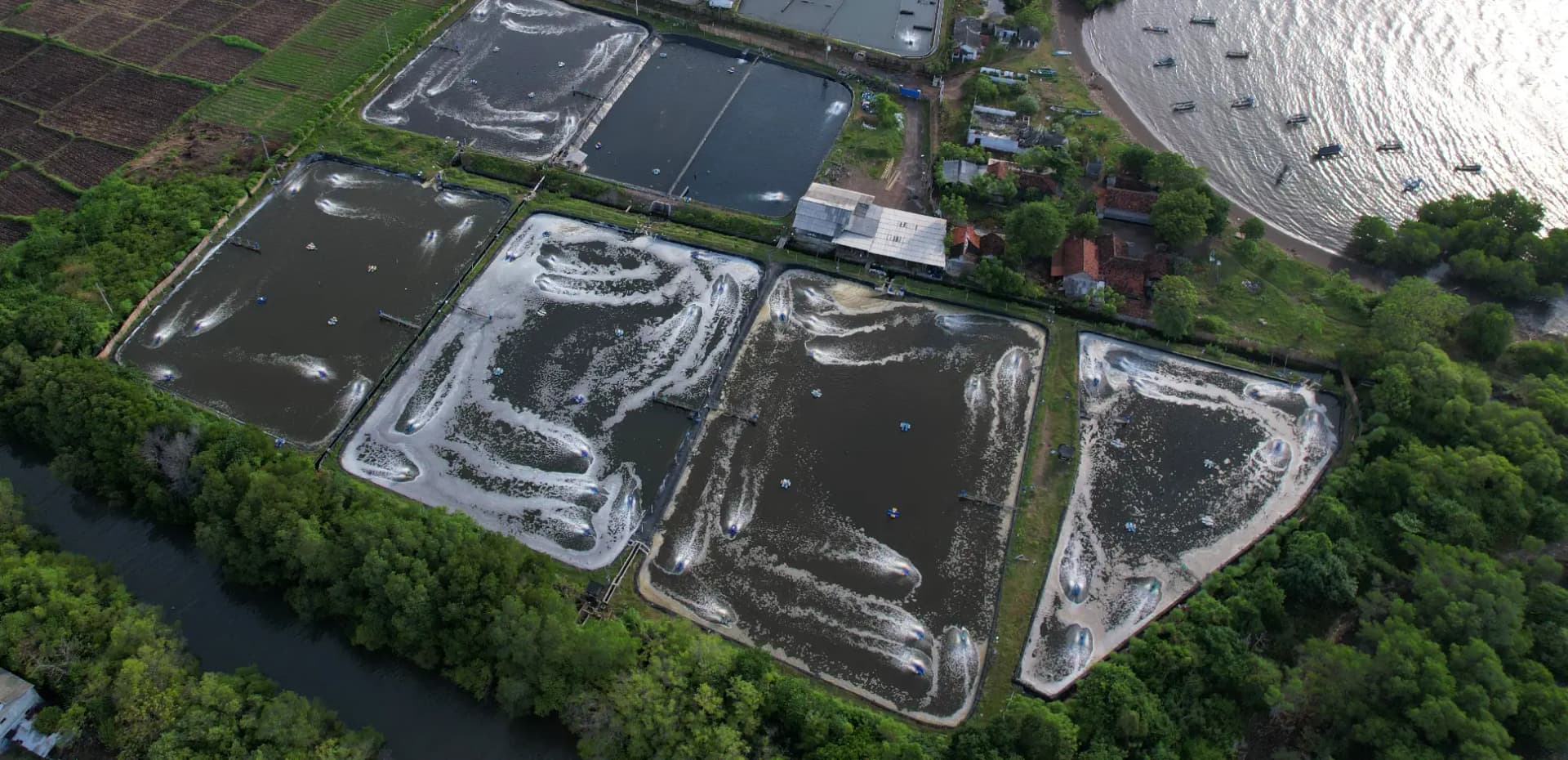
One of the most widely adopted innovations in modern shrimp farming is biofloc technology. The fundamental principle of biofloc is to utilize beneficial heterotrophic bacteria by adding a carbon source to the culture water. These beneficial bacteria consume toxic ammonia waste and convert it into microbial protein aggregates known as bioflocs. This process provides two major advantages. First, it helps maintain better water quality by reducing harmful nitrogen compounds. Second, the bioflocs serve as an additional natural food source, allowing shrimp to recycle nutrients and improving overall feed efficiency.
Although biofloc technology offers significant economic benefits, successful implementation requires careful management. Continuous aeration is essential to maintain sufficient dissolved oxygen levels and support the growth of beneficial microorganisms.