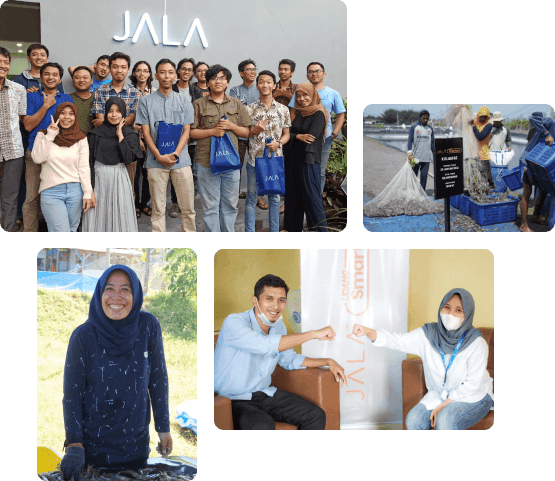
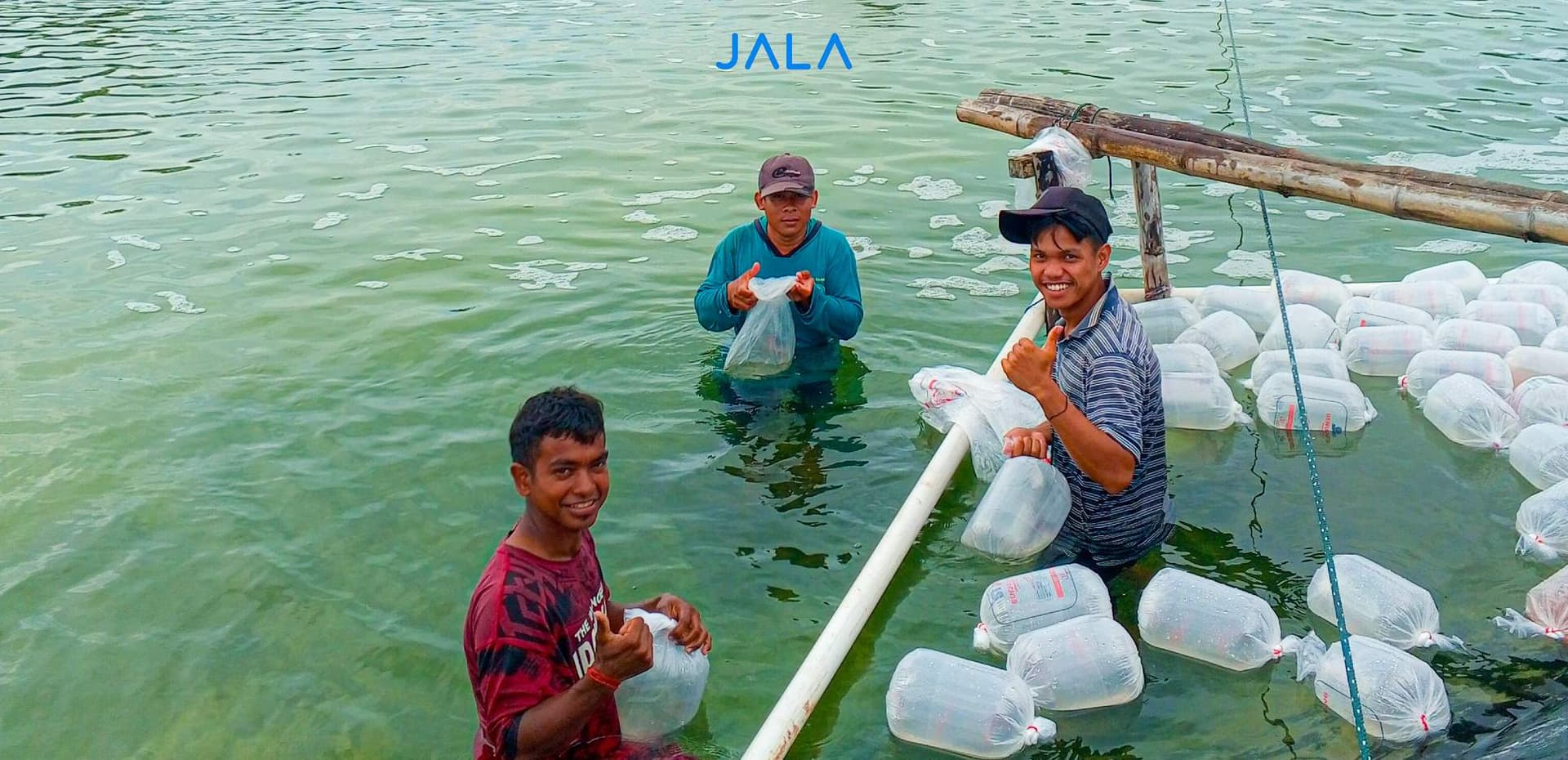
As the shrimp industry continues to grow, it is creating more job opportunities for people with diverse backgrounds and skill sets. This means fisheries jobs are not limited to general fisheries roles, but also include various shrimp farm jobs. From technicians and administrative staff to mechanics and feeders, each role plays an important part in supporting daily farm operations. To perform their responsibilities effectively, these professionals need the right skills for shrimp farming, along with technical and interpersonal skills suited to their roles.
Roles in a Shrimp Farm
Shrimp farming involves a wide range of interconnected activities, from managing farming operations and feeding to maintaining equipment and handling administrative tasks. As a result, shrimp farms require people with different responsibilities and areas of expertise.
Here are some of the roles commonly found on shrimp farms:
1. Farm technician
A shrimp farm technician is responsible for ensuring that technical cultivation activities run smoothly, from pond preparation through the end of the production cycle. Their responsibilities include developing Standard Operating Procedures (SOP), planning feeding programs, developing disease prevention strategies, monitoring water quality parameters, and regularly evaluating farming performance. Technicians also coordinate field teams and prepare cultivation reports for farm owners.
Given their extensive responsibilities, technicians need a range of skills for shrimp cultivation, including knowledge of water quality management, feeding management, and shrimp health, as well as the ability to analyze laboratory test results. In addition to technical or hard skills, technicians also need soft skills such as communication, leadership, problem-solving, and team management.