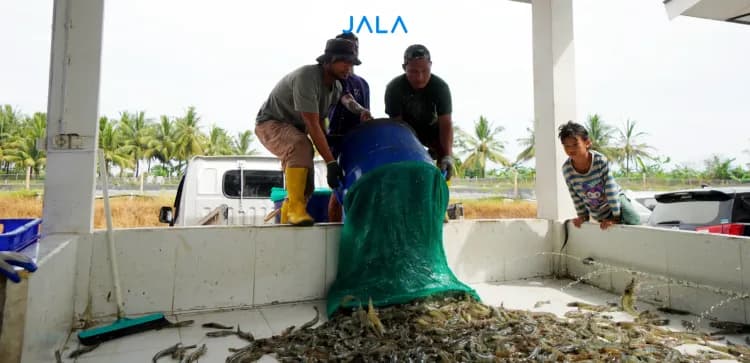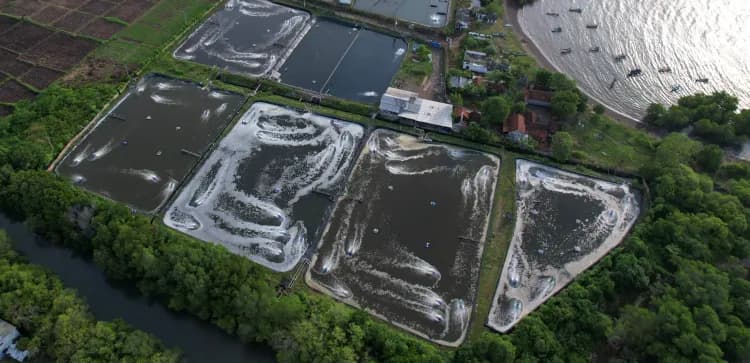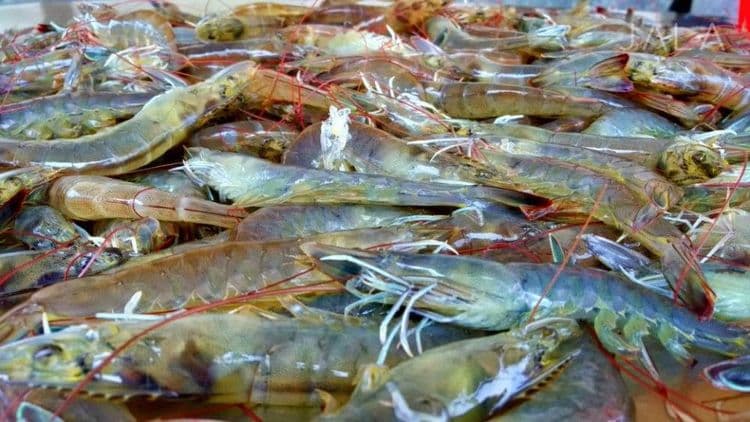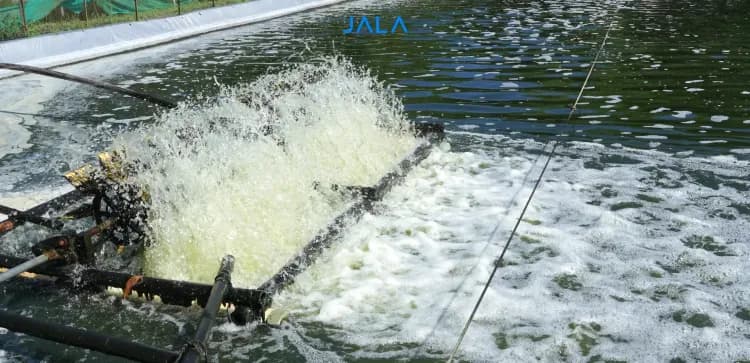
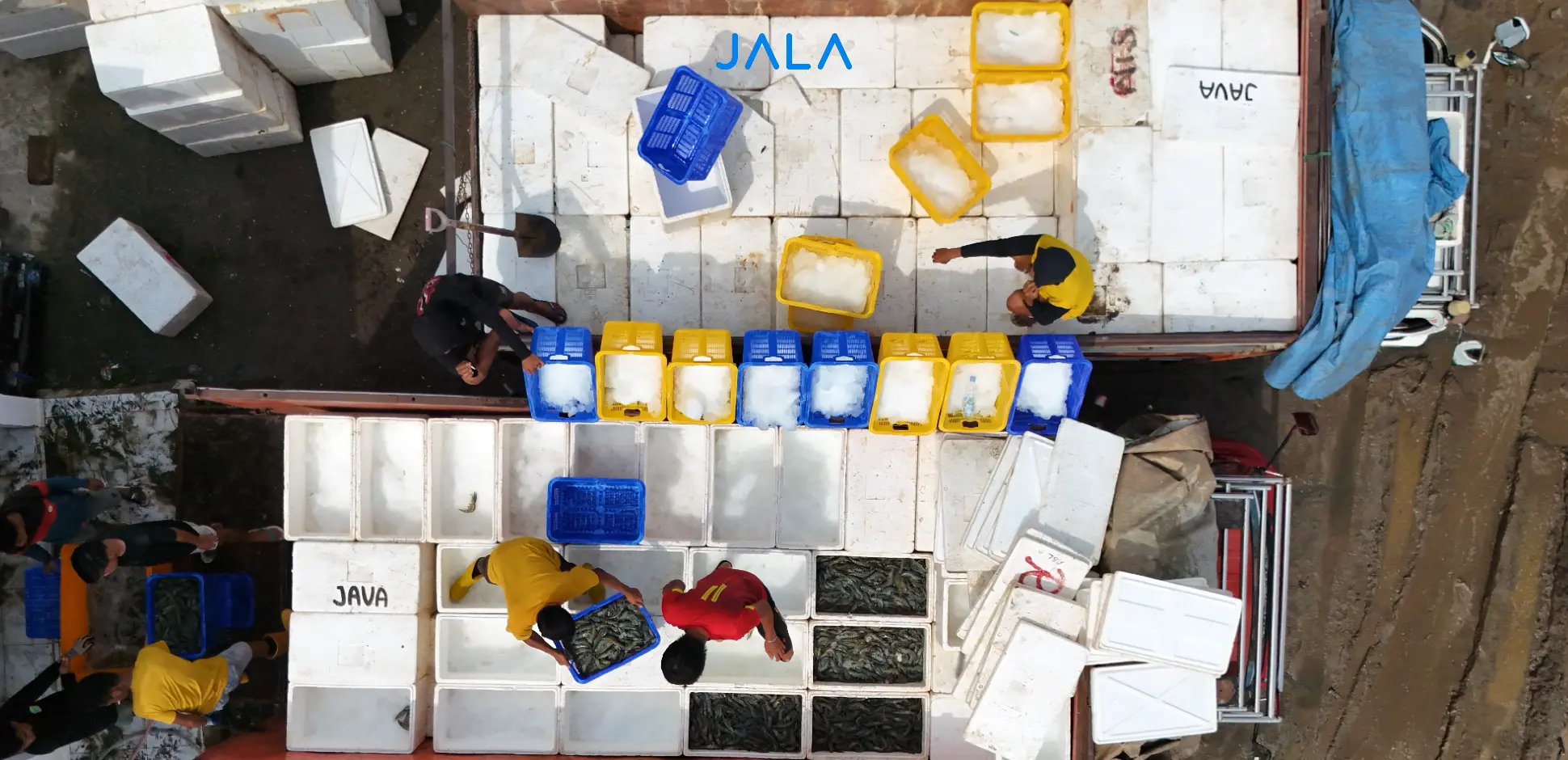
Indonesia is the fourth-largest shrimp exporter in the world, with shrimp contributing significantly to national foreign exchange earnings. Key export destinations include United States (US), Japan, China, and European Union. Despite this strong position, since 2025 the industry has faced mounting challenges, ranging from tariff policies to food safety concerns that directly affect competitiveness and global buyer confidence.
What are the most pressing challenges facing Indonesian shrimp exports today? JALA summarizes them below!
Reciprocal Tariff Policy with US
One of the most significant challenges is the reciprocal tariff policy imposed by US government on imported goods, including shrimp products. This policy is part of a bilateral trade arrangement between Indonesia and US aimed at addressing the US trade deficit with several partner countries.
Under the reciprocal tariff scheme:
- US initially imposed tariffs of up to 32% on Indonesian products.
- Following extended negotiations, the tariff was reduced to approximately 19% for most goods, including several key Indonesian export commodities.
- In subsequent negotiations, the reciprocal tariff was further lowered to 15%.
For Indonesia’s shrimp industry which remains highly dependent on US market, these tariffs continue to pose a competitive burden. This is particularly challenging when competing with countries such as Ecuador, which benefits from a lower tariff rate of around 10% in the US market.
Food Safety Concerns
Beyond trade barriers, food safety has become another critical issue affecting Indonesian shrimp exports. In 2025, several containers of Indonesian shrimp exported to US were reported to contain traces of Cs-137, a radioactive isotope. The findings drew the attention of international food safety authorities, including the US Food and Drug Administration (FDA). In response, Indonesian government strengthened inspection and quality certification systems, including the mandatory requirement for Cs-137-free certificates for shrimp exported to US. These certifications are issued by recognized authorities, including the Ministry of Marine Affairs and Fisheries (KKP) in collaboration with accredited laboratories.
In addition to Cs-137 concerns, misuse antibiotic in cultivation has also been a recurring issue. Antibiotic residues in final products remain a global food safety concern, as they can affect sanitary certifications and compliance with international standards. To address this, the government and industry stakeholders have strengthened quality control systems and promoted stricter farming practices to ensure Indonesian shrimp products meet global market requirements.
These measures have contributed to the reopening of Indonesian shrimp exports to US, which had previously been temporarily suspended. However, maintaining consistent quality and safety standards remains essential to maximize export absorption and sustain long-term market access.
Impact on Indonesia’s Global Position
These challenges are not merely short-term obstacles, they carry broader implications for Indonesia’s role in global trade:
- Export competitiveness: Higher tariffs reduce exporters margins and may encourage buyers to shift to alternative supplier countries.
- Market confidence: Food safety issues, such as contamination or antibiotic residues can undermine international trust if not properly managed.
- Market diversification: Uncertainty in US market has pushed Indonesia to explore alternative destinations such as Japan, China, and European Union as part of a risk mitigation strategy.
Conclusion
As one of the world’s leading shrimp exporters with US as a primary market, Indonesia has faced tangible pressures since 2025, from reciprocal tariff policies that continue to affect competitiveness to food safety concerns such as Cs-137 findings and antibiotic residues that influence global buyer confidence. To better understand these dynamics and prepare the right strategy moving forward, download Shrimp Outlook 2026 Report. This report provides data-driven analysis on global market conditions, farming performance and behavior in Indonesia, industry challenges, and forward-looking projections to guide shrimp farming strategies in 2026.